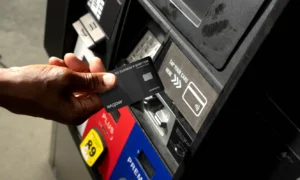
Running a fleet means juggling maintenance schedules, driver assignments, compliance filings, and route planning on top of the daily pressure to keep vehicles moving. Fuel management tends to get handled reactively, with receipts stacking up and spending reviewed only when the monthly statement arrives. A fleet card from ExxonMobil for business fueling replaces that reactive cycle with automated tracking, real-time reporting, and centralized control over every transaction across the fleet.
The administrative weight of manual fuel tracking
Small and mid-sized fleets often start with a simple system: drivers pay for fuel, save receipts, and submit them for reimbursement. That system breaks down quickly. Receipts get lost. Expense reports arrive late. The accounting team spends hours each week reconciling paper records against bank statements, and discrepancies go unresolved because no one has the time or data to investigate.
A 2025 survey from Modern Work Truck Solutions found that among fleets using cards, 49 percent cited easier expense tracking as the primary benefit, while 47 percent pointed to improved budgeting. These numbers reflect a core truth about fleet operations: the administrative workload surrounding fuel purchases is often more expensive than the fuel itself when you factor in labor hours, errors, and delayed visibility.
Fleet cards eliminate most of that overhead. Every transaction is captured electronically with the station name, location, time, fuel type, gallons, and price. That data flows into a centralized dashboard without any manual entry, giving the accounting team clean records and giving fleet managers a clear picture of where expenses are going. The convenience of automated tracking also frees up staff time that was previously spent chasing down paperwork.
Centralized control across scattered operations
Fleets rarely operate from a single location. Drivers are spread across cities, states, or regions, and each one makes independent fueling decisions every day. Without centralized management tools, the fleet manager has no practical way to enforce spending policies or verify that drivers are following procurement guidelines.
Fleet cards solve this by pushing control to the card level. Each card carries its own set of rules: maximum transaction amount, daily fill limits, approved fuel types, authorized time windows, and even station restrictions. A driver assigned to a route in the Midwest does not need the ability to fuel in Florida at 2 a.m. Setting those boundaries takes minutes in the card management portal and eliminates hours of after-the-fact review.
This centralized approach to operations is especially valuable during periods of fuel price volatility, when the savings from consistent monitoring can offset rising per-gallon costs across the network. The EIA reported that retail gasoline prices in 2024 ranged from $3.01 per gallon in early December to $3.67 in late April, a swing that directly impacts fleet budgets. When managers can see real-time spending against those price movements, they can adjust routes, negotiate bulk pricing, or shift fueling schedules to take advantage of lower prices in specific regions.
Reporting that reveals patterns, not just totals
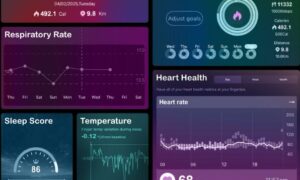
Monthly fuel bills tell you how much you spent. Fleet card reporting tells you why. The transaction-level data captured by every swipe creates a searchable record that fleet managers can slice by driver, vehicle, station, fuel type, date range, or geographic area.
This granular reporting reveals patterns that aggregate numbers hide. Two identical vans covering similar routes should have comparable fuel consumption. When one consistently costs 25 percent more to fuel, the data points to a specific driver or vehicle issue that can be addressed directly, whether through maintenance, route adjustment, or a conversation about driving habits.
Approximately 90 percent of U.S. fleet cards now require drivers to enter odometer readings at the point of sale. That single data point, combined with gallon counts, produces per-vehicle fuel efficiency tracking without any additional hardware. Managers can monitor miles per gallon trends over time and flag vehicles that show declining efficiency before the problem becomes expensive.
For companies subject to International Fuel Tax Agreement reporting, fleet card data simplifies compliance significantly. Station-level purchase records sorted by state replace manual mileage logs and reduce the risk of audit penalties. The reporting tools handle the sorting and formatting, turning what used to be a multi-day quarterly project into a short export.
Reducing fraud through built-in security
Fleet fuel cards carry security features that cash and credit cards cannot match. All transactions are validated against the card’s preset controls, so a purchase that exceeds the daily limit, occurs outside approved hours, or happens at a non-approved station is declined automatically at the pump. There is no need for a manager to catch it after the fact, because the system prevents it from happening.
The real-time monitoring layer adds another dimension to security. Alerts notify fleet managers when unusual activity occurs, whether it is a card used at two stations 300 miles apart within an hour, a fuel purchase that exceeds the vehicle’s tank capacity, or a transaction at a station that has been flagged for skimming. These alerts reduce the response time from days or weeks down to minutes.
Fuel misuse and fraud account for a 5 to 15 percent loss in fleet fuel spending, according to Shell Fleet Solutions data from 2024. For a fleet spending $30,000 monthly on fuel, that represents $1,500 to $4,500 in preventable losses. Fleet cards with active monitoring and purchase controls cut into those losses directly by making every transaction visible and every policy enforceable.
Scaling from small fleets to large operations
The fleet card market serves businesses of all sizes, but the adoption curve differs. Over 78 percent of fleet operators with more than 50 vehicles already use fleet cards as their primary fueling solution. Small fleets are catching up. Javelin Strategy identified small fleet adoption as the largest growth opportunity in 2024, driven by the realization that even a 10-vehicle operation benefits from automated expense tracking and spending controls.
The global commercial fleet fuel card market reached $11.25 billion in 2024 and is projected to grow to $16.87 billion by 2029. That growth reflects both increasing fleet sizes worldwide and the expanding range of services that card programs offer beyond basic fuel purchases, including maintenance, tolls, and roadside assistance.
For businesses evaluating whether fleet cards make sense at their scale, the math is straightforward. Calculate the labor hours currently spent on fuel receipt collection, expense reconciliation, and manual reporting. Add the estimated losses from unmonitored spending. Compare that total to the cost of a fleet card program, which typically involves no annual fee and includes per-gallon discounts at participating stations.
What simplified management actually delivers
Fleet cards do not make fuel cheaper. Diesel and gasoline prices are set by markets that no card program can control. What fleet cards do is make every dollar of fuel spending visible, controlled, and reportable. That visibility lets managers optimize purchasing patterns, enforce budgets in real time, and catch problems before they compound into serious financial damage.
The simplification is real. Fewer receipts, fewer spreadsheets, fewer reconciliation headaches, and fewer conversations about where the money went. The data is there, organized and accessible, giving fleet managers the tools to focus on the work that actually moves the business forward.