
Durable Pilates Workout Plan for Home Training


Home fitness has never been more popular, and for good reason. With gym memberships climbing in cost and schedules growing tighter, more people are discovering that a consistent, effective workout routine is entirely achievable within their own four walls. But here’s the challenge: finding equipment that actually holds up over time without draining your wallet feels like a near-impossible task.
Pilates stands out as one of the smartest choices for home training. It demands relatively little space, builds real functional strength, and scales beautifully from beginner to advanced levels. The key is pairing a smart Pilates workout plan with the right gear — specifically, durable, affordable equipment that won’t need replacing every few months. Think along the lines of a durable fitness bench for added exercise variety or adjustable workout equipment that grows with your fitness level, all within the framework of an affordable home gym setup.
This guide walks you through everything: why Pilates works so well at home, which equipment genuinely lasts, how to build your space on a budget, and a complete step-by-step workout plan you can follow starting today.
Why Pilates is Ideal for Home Training on a Budget
Pilates has earned its reputation as one of the most practical disciplines for home training, and the reasons go beyond simple convenience. At its core, a well-structured Pilates workout plan targets deep stabilizing muscles, improves posture, and builds genuine functional strength — all without the heavy machinery that dominates commercial gym floors. You need roughly the size of a yoga mat to get started, making it accessible even in studio apartments or shared living spaces.
The financial case is equally compelling. A typical gym membership runs anywhere from $30 to $100 per month, and boutique Pilates studios can charge significantly more per class. Redirecting even a fraction of that cost toward a few durable pieces of home equipment pays for itself within months. Better still, Pilates scales naturally with your progress. Beginners can work entirely with bodyweight and a mat, while intermediate and advanced practitioners layer in resistance bands, a stability ball, or a home training bench to increase challenge and variety. There’s no pressure to purchase everything at once. Starting lean and adding strategically keeps costs controlled without sacrificing the quality of your training. For budget-conscious fitness enthusiasts, that kind of flexibility is genuinely rare.
Essential Equipment for a Durable Pilates Setup
Choosing the right equipment transforms a Pilates practice from frustrating to genuinely effective. The goal isn’t to fill a room with gear — it’s to invest in a handful of pieces that earn their place through durability, versatility, and value. For most home practitioners, that list starts with a quality mat, resistance bands, and one or two anchor pieces that expand exercise options considerably.
Selecting a Durable Fitness Bench for Versatility
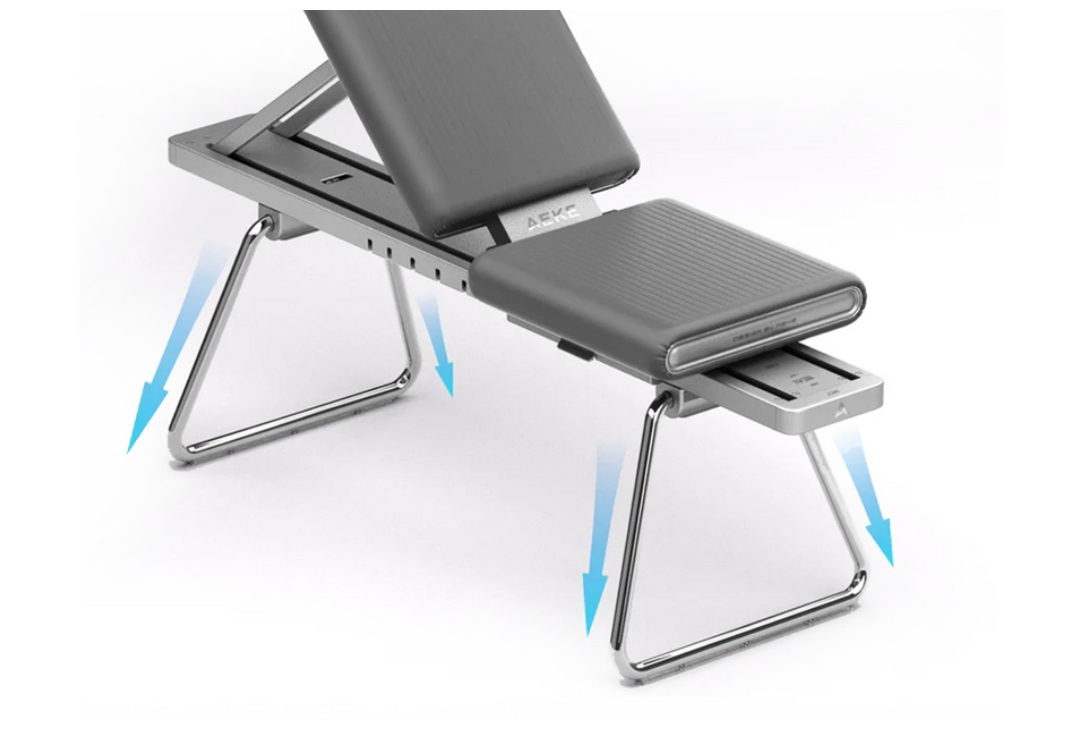
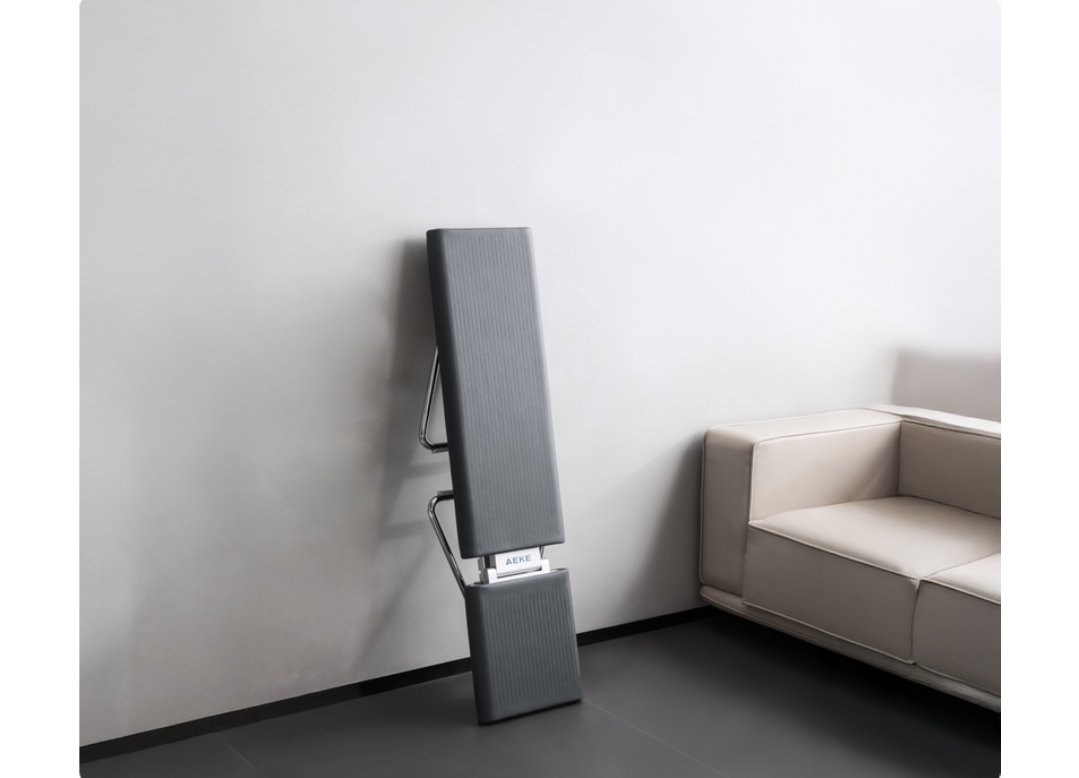
A durable fitness bench might not be the first thing that comes to mind for Pilates, but it’s one of the most versatile additions to a home training setup. It supports exercises like elevated leg work, spine articulation, and modified reformer-style movements that a mat simply can’t replicate. When evaluating a home training bench, prioritize steel or heavy-gauge aluminum frames over plastic-heavy construction — these materials resist warping and wobbling under repeated use. Brands like AEKE, which focus on fitness equipment built for long-term home use, typically offer benches with the kind of reinforced frames and high weight capacities that make a noticeable difference in stability over time. Check the weight capacity carefully, as benches rated for higher loads typically use thicker padding and stronger joints that hold up far longer. A non-slip surface and rubber feet are small details that matter enormously for safety and stability during dynamic movements. Foldable designs are worth considering if space is limited, provided the folding mechanism feels solid rather than flimsy when locked into position.
Leveraging Adjustable Workout Equipment for Efficiency
Adjustable workout equipment solves two problems at once: it grows with your fitness level and eliminates the need to buy multiple fixed-resistance tools. Adjustable resistance bands with interchangeable handles, for instance, cover everything from light mobility work to serious strength challenges within a single set. Similarly, an adjustable incline bench opens up exercise angles that fixed benches cannot. When shopping for adjustable options on a budget, look for mechanisms that lock firmly without slipping mid-exercise — a band clip or bench pin that gives way under load is both dangerous and short-lived. Buying from brands that offer replacement parts extends the lifespan of these investments significantly, making them genuinely affordable over the long run rather than just at the point of purchase.
Building Your Affordable Home Gym: A Practical Guide
Assembling an affordable home gym for Pilates doesn’t require a large budget or a dedicated room — it requires smart sequencing. Start with what delivers the most value per dollar: a quality mat and a set of resistance bands. These two items alone support dozens of effective exercises and cost a fraction of what most people spend on a single month of studio classes. Once those are in place, add a durable fitness bench as your next investment. It bridges the gap between floor-based work and more dynamic, reformer-inspired movements that significantly expand your training options.
When sourcing equipment on a tight budget, timing matters. End-of-season sales, refurbished fitness gear from reputable retailers, and manufacturer-direct purchases often yield the same quality at 20 to 40 percent less than standard retail prices. Avoid the temptation of ultra-cheap options with no warranty or customer support — equipment that fails within months costs more in the long run than a slightly pricier piece built to last. One practical DIY addition worth considering: a wall-mounted anchor point for resistance bands, which costs very little to install and dramatically increases the range of exercises available without adding any floor footprint. Prioritize durability over quantity, build gradually, and your home gym becomes a long-term asset rather than a short-term expense.

Step-by-Step Durable Pilates Workout Plan
A well-structured routine is what separates lasting results from sporadic effort. This plan is designed around the equipment discussed above — a mat, resistance bands, and a durable fitness bench — and progresses logically from warm-up through cool-down. Follow it three to four times per week for consistent gains in strength, mobility, and body awareness.
Warm-Up (8–10 minutes): Begin on the mat with diaphragmatic breathing — five slow inhales and exhales to activate deep core muscles. Move into cat-cow stretches for six repetitions, then pelvic tilts to establish spinal awareness. Finish the warm-up with a set of standing hip circles and shoulder rolls to mobilize the joints you’ll be loading throughout the session.
Main Workout (30–35 minutes): Start with mat-based fundamentals: the Hundred (build to 100 breath pulses), single-leg circles (ten per side), and rolling like a ball (eight repetitions) to develop core control and spinal articulation. Next, move to the fitness bench for elevated work. Perform incline leg presses using a resistance band looped around the bench legs, targeting the glutes and hamstrings through a controlled range of motion — three sets of twelve repetitions. Follow with bench-supported side-lying leg lifts, which replicate reformer-style lateral work and challenge hip stabilizers directly. Use the bench as a prop for spine extension work: lying prone across the bench with feet anchored allows for thoracic extension movements that a flat mat makes difficult. Resistance bands come back into play for standing Pilates rows anchored to your wall mount, reinforcing postural muscles in three sets of fifteen pulls.
Cool-Down (8–10 minutes): Return to the mat for supine spinal twists, a figure-four hip stretch held for thirty seconds per side, and a final child’s pose to decompress the spine.
Weekly Schedule and Progression Tips
Structure your week with rest and recovery built in: train on Monday, Wednesday, and Friday, leaving Tuesday and Thursday for light walking or complete rest. Add a fourth session on Saturday once you’ve maintained three consistent weeks. To progress without overreaching, increase resistance band tension every two weeks rather than adding more exercises — quality of movement matters more than volume. Track your sessions in a simple notebook, noting which exercises felt challenging and which felt easy. When an exercise stops presenting difficulty, elevate it: raise the bench incline, increase band resistance, or slow the tempo to four counts down and two counts up. This tempo manipulation deepens muscle engagement without requiring new equipment purchases, keeping your affordable home gym working harder as you do.
Start Your Durable Pilates Journey at Home
Building a sustainable Pilates practice at home comes down to three things done well: understanding why the discipline works, choosing equipment built to last, and following a structured plan consistently. Pilates delivers genuine functional strength, improved posture, and real flexibility gains — all without the overhead costs of a gym or studio. When paired with durable, thoughtfully chosen gear like a home training bench and adjustable resistance bands, it becomes one of the most cost-effective fitness investments available.
The affordable home gym approach outlined here isn’t about cutting corners — it’s about spending smarter. Prioritizing quality over quantity, building your setup gradually, and selecting equipment with longevity in mind means your investment pays dividends for years rather than months. The step-by-step workout plan gives you a clear, actionable starting point, and the progression framework ensures it continues challenging you as your fitness grows.
The best time to start is now, with whatever you have. Roll out a mat, follow the warm-up, and build from there. Your durable Pilates journey doesn’t require a perfect setup on day one — it requires showing up consistently and making incremental improvements. That’s exactly what this plan is designed to support.





Comment