
Digital Printing Trends in Business Marketing

Digital printing has changed how businesses plan marketing materials. It removes many setup limits found in offset printing. Brands can print shorter runs, test messages faster, and update creative without large plate or tooling costs.
This matters in markets where offers, prices, locations, and customer segments change quickly. A campaign can be adjusted by region, store, audience, or season. That makes print more flexible and less wasteful.
Grand View Research estimated the global digital printing market at USD 38.07 billion in 2023, with projected growth to USD 57.03 billion by 2030.
Short-Run Printing Supports Faster Testing
Marketing teams no longer need to commit to large print volumes before knowing what works. Digital workflows support small batches for flyers, inserts, packaging, event materials, menus, catalog sheets, and direct mail.
A business can test two headlines, compare offers, or localize creative for different branches. This reduces inventory waste and improves campaign control.
Platforms such as Imprint Now fit into this shift because businesses need print production that can handle fast ordering, varied formats, and practical marketing use cases without long setup cycles.
Variable Data Makes Print More Relevant
Variable data printing is one of the strongest advantages of digital print. It allows each printed piece to contain different text, images, QR codes, barcodes, addresses, or offers.
This is useful for customer retention, local promotions, account-based marketing, loyalty programs, and event follow-ups. A printed card can reference a customer’s location, purchase history, membership status, or preferred product category.
The technical value is simple. Personalization happens at the file and data layer. The press can print unique pieces in sequence without stopping production.
Print and Digital Channels Are Merging
Modern print is no longer isolated from digital marketing. QR codes, NFC tags, personalized URLs, and trackable coupon codes connect physical materials to measurable online behavior.
This gives marketers a clearer view of campaign response. A postcard can drive a user to a landing page. A package insert can trigger a repeat purchase. A trade show handout can connect to a product demo.
Useful print-to-digital elements include:
- Dynamic QR codes
- Personalized landing pages
- Coupon tracking codes
- Serialized labels
- NFC-enabled packaging
- Event registration links
- Product authentication tags
These features make print easier to measure and optimize.
Packaging Is Becoming a Marketing Channel
Digital printing has made packaging more agile. Brands can produce limited editions, seasonal designs, regional packs, influencer kits, and test packaging without large minimum orders.
This is important for e-commerce, food, cosmetics, apparel, and subscription products. Packaging is often the first physical brand touchpoint after purchase. It must protect the product and communicate value.
Digital print also supports faster artwork changes. This helps when regulations, ingredients, languages, or promotional claims need updating.
Color Control Still Matters
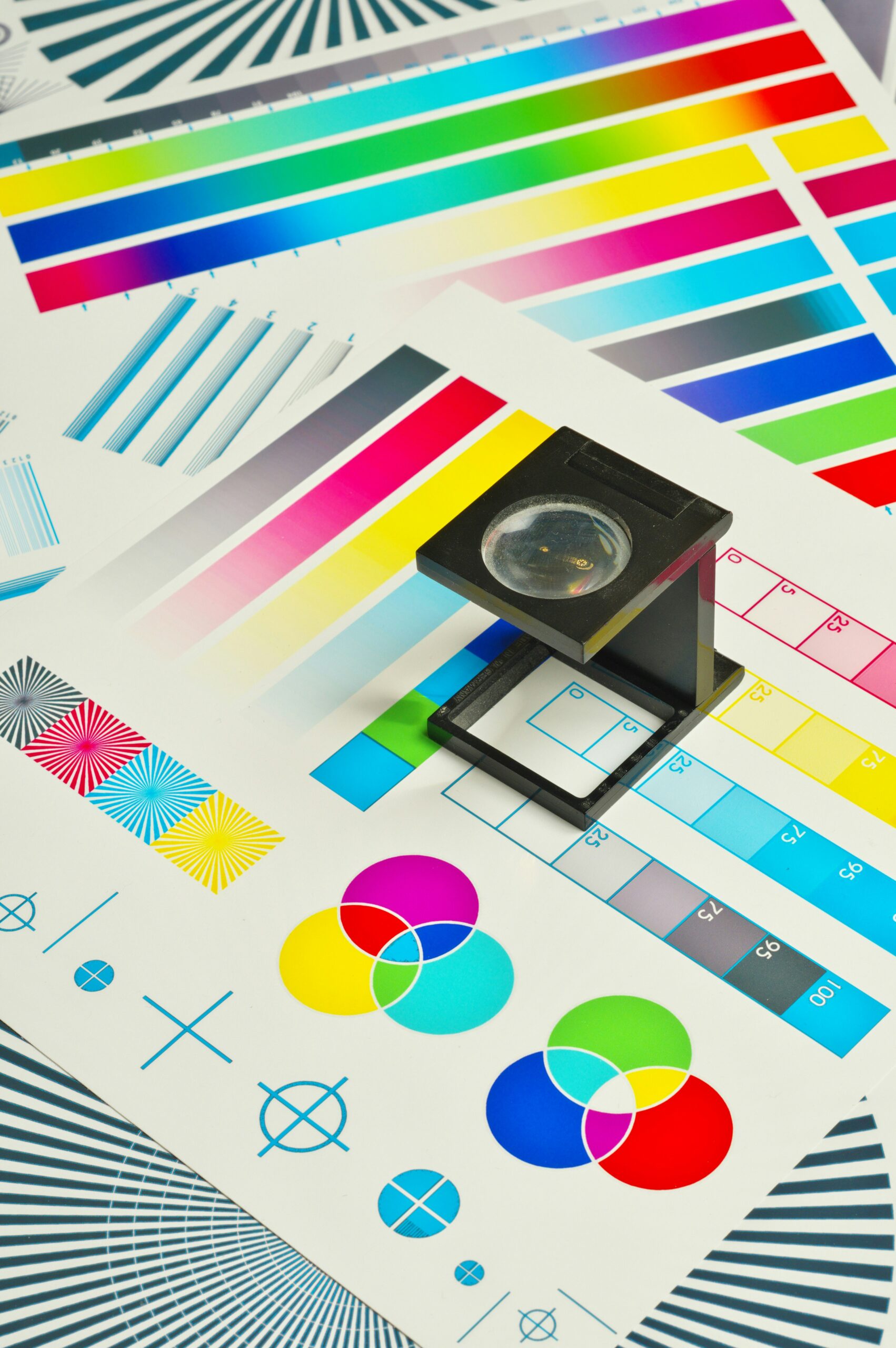
Digital print is flexible, but quality control remains technical. Brand colors must stay consistent across substrates, printers, and production runs.
Businesses should manage files with proper color profiles, calibrated proofs, and substrate testing. Paper, vinyl, fabric, plastic, and corrugated board absorb ink differently. A color that looks correct on screen may shift in production.
Good print workflows use proofing standards, device calibration, and clear finishing specifications. This reduces reprints and protects brand identity.
Automation Reduces Production Errors
Digital printing is increasingly tied to automated ordering, prepress, proofing, and fulfilment systems. These tools reduce manual file handling and speed up production.
Automation can check bleed, resolution, trim size, font embedding, color space, and artwork placement before printing. It can also route orders to the right machine based on quantity, substrate, size, and finish.
This improves turnaround time. It also reduces errors caused by repeated manual touchpoints.
Sustainability Is Driving Smarter Print Use
Businesses are under pressure to reduce waste. Digital printing helps by supporting demand-based production. Teams can print what they need instead of storing large quantities that may become outdated.
Eco-focused improvements also include water-based inks, recyclable substrates, energy-efficient presses, and better print planning. The best sustainability gains come from accurate forecasting and smaller unused inventory.
Conclusion
Digital printing innovation is making business marketing faster, more targeted, and more measurable. Short runs, variable data, digital tracking, packaging flexibility, and automated workflows give marketers more control.
Print still works when it is relevant, well-produced, and connected to the customer journey. Digital printing makes that easier to achieve without slowing campaign execution.







Comment