Gut problems rarely appear overnight. They build slowly. It may start with bloating after meals. Or irregular digestion. Certain individuals feel constant fatigue, and others notice unexplained inflammation. When such signs return often, functional medicine is of great help. It looks deeper into the issue. The functional doctor/expert tries to understand why the gut is struggling in the first place. They see the gut as the foundation of many body systems. Why? This organ affects:
- Immunity
- Nutrient absorption
- Mood
- Metabolism
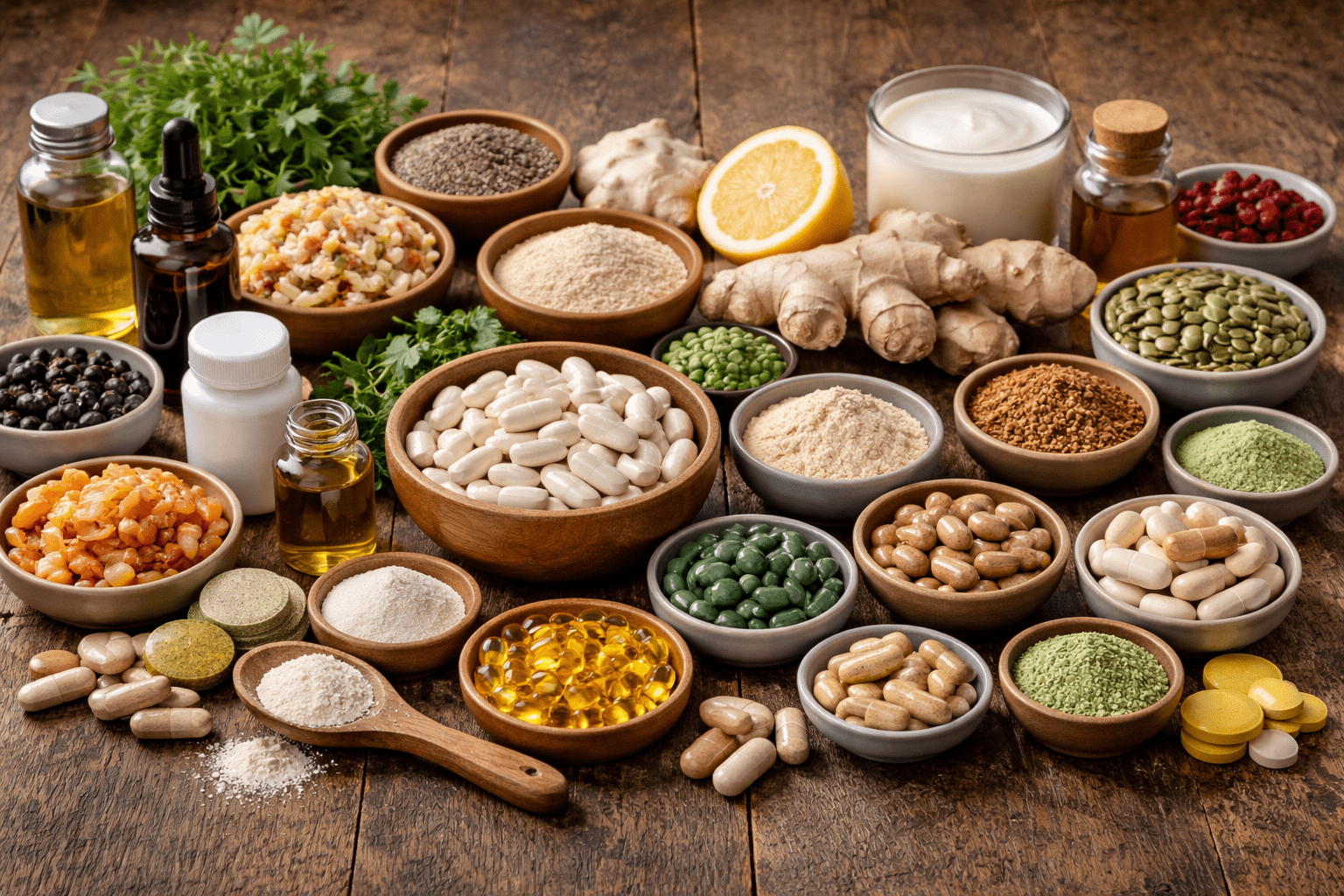
Targeted supplementation is also a proven approach in functional medicine. The doctor selects these supplements to support and repair the gut completely. Read on to know about such supplements in functional medicine for gut health.
Why Gut Health Matters in Functional Medicine
Normally, people think that our digestive system is all about food processing. However it acts as an important connection between our immune system, nervous system, and metabolism.
In functional medicine, gut health is often evaluated through patterns such as:
- Digestive symptoms (bloating, discomfort, irregular bowel habits)
- Nutrient absorption issues
- Microbiome balance
- Intestinal barrier function
Healthy gut lining and microbial ecosystem ensure that the body absorbs nutrients better, and there is less inflammation. This is the reason why many functional practitioners include targeted supplements in the care plan they make.
The Main Categories of Functional Medicine Supplements for Gut Health
Gut-support supplements usually fall into a few core categories:
| Category | Purpose |
| Gut lining repair | Supports intestinal barrier and tissue repair |
| Digestive support | Improves nutrient breakdown and absorption |
| Microbiome balance | Supports beneficial bacteria |
| Anti-inflammatory nutrients | Helps regulate immune response |
| Antimicrobial botanicals | Used when microbial imbalance is present |
Each category supports a different aspect of digestive function.
1. Gut Lining Repair and Barrier Support
The lining of the gut is a protective filter. Nutrients can pass through it, but the lining stops harmful substances and keeps them from entering the gut. Functional medicine aims to support this barrier with the help of several supplements.
L-Glutamine
L-glutamine is an amino acid that serves as fuel for intestinal cells. The potential benefits are:
- Supports regeneration of intestinal cells
- Helps maintain tight junction integrity
- Supports immune activity within the gut
Typical intake is often on an empty stomach.
Zinc Carnosine
Zinc carnosine is a compound known for supporting gastrointestinal tissue repair. It:
- Protects the stomach and intestinal lining
- Supports tissue healing
- Helps maintain mucosal integrity
It has been used in digestive support protocols for decades in some clinical settings.
Collagen Peptides
Collagen contains amino acids like glycine and proline that support connective tissue. Some possible benefits are:
- Supports gut lining structure
- Provides building blocks for tissue repair
- May help improve digestive comfort
Many functional medicine practitioners recommend its daily dosage as part of gut support plans.
2. Digestive Support Supplements
Good digestion is essential for nutrient absorption and gut balance. Some supplements used in functional medicine help support stomach acid and digestive enzymes.
Betaine HCl with Pepsin
Betaine HCl supports stomach acidity, which is important for protein digestion. The benefits may include
- Improved protein breakdown
- Better mineral absorption
- Support for natural digestive processes
It is typically taken at the beginning of meals under professional guidance.
Digestive Enzymes
Digestive enzyme blends support the breakdown of food components. The common enzymes include:
- Amylase (breaks down carbohydrates)
- Protease (supports protein digestion)
- Lipase (breaks down fats)
- Lactase (helps digest dairy)
These supplements may help reduce digestive discomfort after meals.
3. Microbiome Support
The microbiome is important in curating functional medicine approaches to digestive health. The microbiome influences:
- Immune balance
- Nutrient production
- Inflammation levels
- Communication along the gut-brain axis
Probiotics
Probiotics are beneficial microorganisms that support microbial diversity.
Common strains include:
- Lactobacillus rhamnosus
- Bifidobacterium species
- Saccharomyces boulardii
Potential benefits:
- Improved gut barrier function
- Support for digestive balance
- Enhanced immune modulation
Prebiotics
Prebiotics are fibres that feed beneficial bacteria. Some examples include:
- Inulin
- Fructooligosaccharides (FOS)
- Resistant starch
They support the production of short-chain fatty acids like butyrate, which help nourish intestinal cells. Many functional medicine protocols combine probiotics and prebiotics for balanced microbiome support.
4. Anti-Inflammatory Nutrients
Inflammation can disrupt digestive health. Several supplements used in functional medicine focus on supporting balanced immune responses.
Omega-3 Fatty Acids
Omega-3 fatty acids that usually come from fish oil provide anti-inflammatory support. Their benefits may include:
- Support for gut barrier integrity
- Balanced immune signalling
- Support for microbiome diversity
Curcumin
Curcumin, derived from turmeric, is widely used in integrative care. Their potential benefits:
- Supports a healthy inflammatory response
- Supports intestinal barrier function
- Provides antioxidant activity
Enhanced absorption forms such as liposomal or micellar curcumin are commonly used.
Vitamin D
Vitamin D is important for immune regulation and intestinal barrier health. Research suggests vitamin D influences:
- Antimicrobial peptide production
- Microbiome balance
- Intestinal lining integrity
Many functional medicine practitioners test vitamin D levels and personalise supplementation accordingly.
5. Herbal Antimicrobial Support
In certain situations, functional medicine practitioners may include herbal antimicrobials to support microbiome balance.
These are typically used when there is evidence of microbial imbalance.
Common botanical options
| Herb | Potential Role |
| Berberine | Supports microbial balance and metabolic health |
| Oregano oil | Provides natural antimicrobial compounds |
| Allicin (garlic extract) | Supports microbial diversity |
| Neem | Traditional botanical antimicrobial |
These supplements are usually used in structured protocols guided by a practitioner.
The Functional Medicine 4R Approach to Gut Health
Many functional medicine practitioners use a framework known as the 4R protocol to organise gut health strategies.
| Step | Purpose |
| Remove | Address irritants or microbial imbalance |
| Replace | Support digestion with enzymes or stomach acid support |
| Reinoculate | Restore beneficial bacteria |
| Repair | Support gut lining with targeted nutrients |
Supplements are often selected based on which step of the protocol is needed.
Choosing High-Quality Supplements
Quality matters when using supplements for gut health. Here are a few practical tips commonly recommended in functional medicine:
- Look for third-party tested products
- Choose GMP-certified manufacturers
- Check probiotic strains and CFU counts
- Avoid unnecessary fillers or additives
- Work with a practitioner when possible
These steps help ensure consistency and safety.
Conclusion
Gut health involves several layers. To treat that successfully, functional medicine comes with a structured and personalised approach. Specific supplements are selected according to individual conditions. If you are considering this approach, working with a qualified functional medicine practitioner can help identify the right strategy for your unique health needs.