In the public debate surrounding artificial intelligence, one concern continues to surface: the fear that automation will ultimately replace human work.
Viewed through an entrepreneurial and productivity-focused lens, however, this narrative appears increasingly incomplete.
Artificial intelligence should not be understood as a substitute for human intelligence, but rather as a powerful multiplier of human capability, especially within business and organizational contexts.
AI as a Strategic Ally, Not a Threat
The true impact of artificial intelligence does not lie in eliminating human contribution, but in expanding what individuals and companies are able to achieve.
By automating repetitive and low–value tasks, AI allows professionals to redirect time and energy toward strategic thinking, creativity, and decision quality.
This shift echoes patterns seen in previous technological revolutions: just as industrial machines reduced physical strain without eliminating human labor, AI today reduces cognitive overload without replacing human judgment.
From this perspective, companies that adopt artificial intelligence effectively do not become smaller, but more scalable, capable of exploring markets, solutions, and opportunities that were previously out of reach due to time or resource constraints.
Humans at the Center of the Decision-Making Process
One of the most relevant aspects of the relationship between humans and technology lies in the distinction between calculation and understanding.
Artificial intelligence excels at speed, logic, and data analysis, but it lacks intuition, empathy, and contextual sensitivity—qualities that remain fundamentally human.
When insights generated by AI systems are integrated with emotional intelligence and strategic vision, leadership does not weaken; it becomes stronger.
In this sense, AI acts as a cognitive support system that enhances human performance rather than diminishing it.
The role of the entrepreneur or manager does not disappear—it evolves.
Human judgment becomes even more valuable when supported by intelligent tools.
The Manager as an Integrative Figure
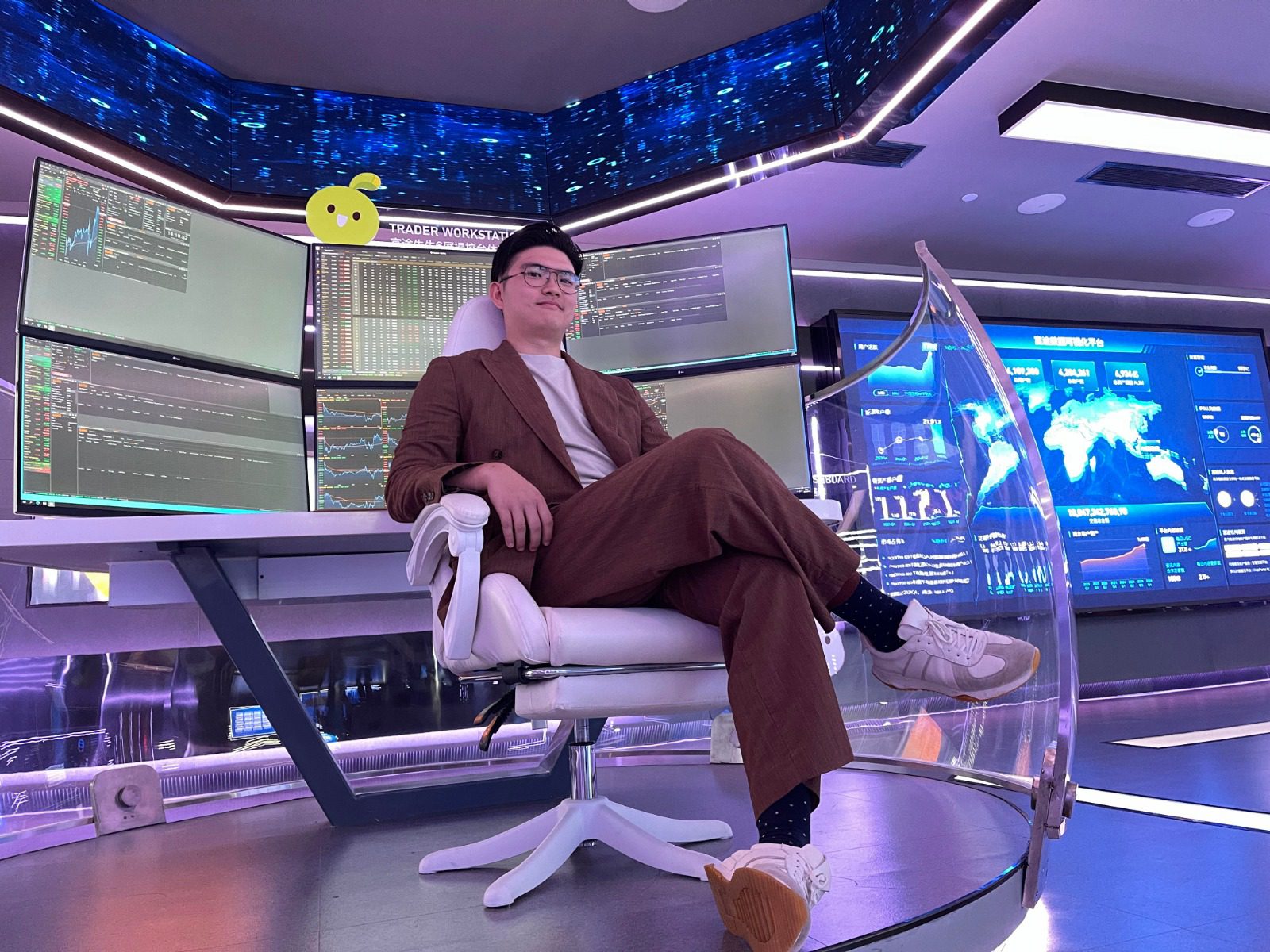
As AI adoption spreads, a new managerial profile is emerging—one defined not only by technical competence, but by the ability to integrate technology with human understanding.
The most effective leaders are those who can transform data into direction, align teams around a vision, and make decisions that balance rational analysis with intuition.
Rather than becoming cold or mechanical, future managers become more human by delegating computation to technology while preserving creativity, empathy, and foresight.
A Cultural Challenge Before a Technological One
The real challenge of artificial intelligence is not technological, but cultural.
Organizations that view AI as a replacement tool risk generating fear and resistance; those that see it as an enhancement tool foster adaptation and growth.
The most resilient companies are not those that reduce headcount, but those that invest in upgrading skills.
In this model, training, awareness, and strategic thinking become central to sustainable transformation.
The true competitive advantage lies not in the technology itself, but in the ability to use it intelligently.
AI and the Future of Business Excellence
In a global environment marked by uncertainty and constant acceleration, artificial intelligence represents an opportunity to rethink productivity, leadership, and value creation.
When applied with strategic vision, AI does not signal the end of work, but the beginning of a new phase in which human ingenuity remains the primary driver of progress—amplified by increasingly powerful tools.
This perspective fits into a broader view of business evolution, where clarity, strategic thinking, and conscious decision-making become the true differentiators of the digital economy.
This interpretation of artificial intelligence as a tool for empowerment rather than replacement reflects a vision developed over time through work in digital business and the analysis of decision-making processes. It is a perspective that places human judgment, decision quality, and responsibility at the center of technological adoption—viewing AI not as a threat to be feared, but as a strategic resource to be governed with awareness.