
Armenia: Pre-Licensing Checklist

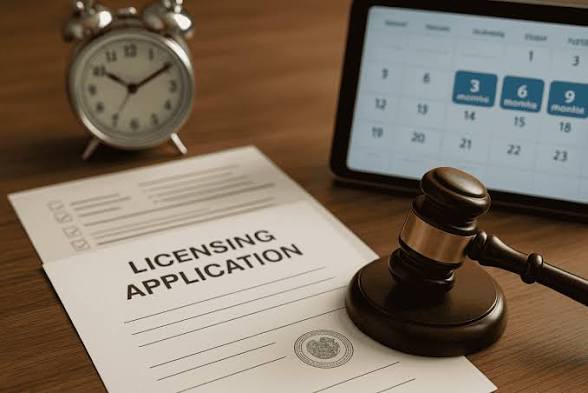
Before You Apply: A Pre-Licensing Checklist for and Online Operators in Armenia
Most licensing delays don’t come from the regulator. They come from decisions the operator postponed. In Armenia, where gaming rules were tightened in 2025 and oversight sits with the Ministry of Finance, the order in which you make those decisions matters almost as much as the decisions themselves.
Here is a working checklist, based on what the current framework asks of operators.
1. Decide who you are: B2C, B2B, or both
A B2C operator deals with players directly: online, sportsbook, lottery. A B2B supplier provides software, a white-label platform or
affiliate services. The practical difference is easy to miss. Armenian law does not describe a separate “B2B licence” the way some offshore jurisdictions do, but the regulatory reach still extends to third parties. If a licensed organiser delegates functions to a software provider or affiliate, the contracts between them have to be structured with that in mind.
2. Fix your legal structure early
Foreign operators that target Armenian customers usually need a local structure and Armenian licences. That means choosing the entity, mapping shareholders and ultimate owners, and preparing source-of-funds documents before the application, not during it. Regulators run “fit and proper” checks on owners and management, and gaps in ownership paperwork are a classic reason for a stalled file.
3. Treat the domain, hosting and server location as compliance items
For online services, the framework touches the .am domain, hosting and server-location requirements, plus registration and certification of the platform and gaming software. Certification through international laboratories and integration with the state monitoring centre are engineering tasks with lead times. Put them on the product roadmap now; leaving them until “after approval” is how launch dates slip.
4. Build AML/CFT and player protection in from day one
Expect to need written AML/CFT and KYC policies, source-of-funds workflows, age verification (the minimum age is 21) and self-exclusion tools. The State Revenue Committee is the authority these AML policies are drafted to satisfy. Documents copied from another jurisdiction rarely survive a close read, so localise them.
5. Get the advertising rules straight before marketing spends a dollar
Armenia restricts advertising strictly. Content, timing and placement can all be regulated, and breaches risk fines or licence suspension. If your growth plan leans on affiliates or paid media, have every creative and affiliate agreement reviewed first.
6. Model tax and duties against your margins
Duties and turnover-type charges can change the economics of a product. MB Legal’s own guidance refers to fixed state duties and a 10% turnover tax; since rates and mechanics change, confirm the current position before you finalise bonus and commission structures.
A note on timing and recent changes
Licensing typically takes several months, depending on how prepared the file is. Also worth tracking: MB Legal has reported that Armenia designated a gaming regulation operator on 6 August 2026, with further deadlines running into 2027. If you hold or plan to hold a licence, read the implementation details rather than relying on summaries.
Where to go from here
Regulatory work is rarely a one-off filing; it is licensing, corporate structuring, tax, AML and, sometimes, disputes with regulators or players. If you’re at the planning stage and want a second pair of eyes on a betting license in Armenia roadmap, the team at MB Legal advises operators, investors and software providers across that whole lifecycle.
Disclaimer: General information as of September 2026, not legal advice. Requirements change; confirm the current rules with a qualified lawyer before acting.







Comment