AI Adoption Strategy: How Businesses Can Successfully Integrate AI for Long-Term Growth

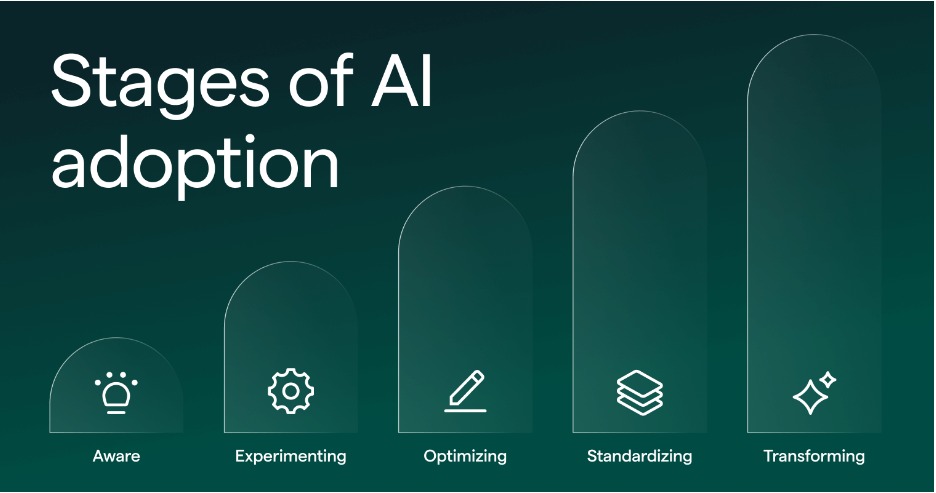
Artificial intelligence is no longer a futuristic concept reserved for large technology companies. Businesses of all sizes now use AI to automate tasks, improve customer experiences, analyze data, and increase productivity. From marketing and sales to customer support and operations, AI is transforming how organizations work and compete.
However, adopting AI is not as simple as purchasing new software or implementing a chatbot. Many companies struggle because they lack a clear roadmap, fail to align AI initiatives with business goals, or underestimate the importance of employee training. A successful AI journey requires careful planning, realistic expectations, and a long-term vision. Businesses that approach AI strategically can unlock significant benefits while minimizing risks and maximizing return on investment.
Why AI Adoption Is Growing Across Industries
AI adoption has accelerated rapidly in recent years. Advances in machine learning, natural language processing, and cloud computing have made AI tools more affordable and accessible than ever before. Companies can now implement AI-powered solutions without building expensive infrastructure from scratch.
Several factors drive this growth. First, businesses face increasing pressure to improve efficiency and reduce costs. AI automates repetitive tasks, allowing employees to focus on higher-value activities. Second, customers expect faster and more personalized experiences. AI helps organizations analyze customer behavior and deliver tailored recommendations, support, and marketing campaigns.
Competition also plays a major role. Companies that adopt AI effectively often gain advantages in speed, decision-making, and innovation. As competitors embrace intelligent technologies, businesses that delay adoption risk falling behind in their markets.
The growing availability of AI platforms and user-friendly tools has further lowered barriers to entry. Organizations no longer need extensive technical expertise to start experimenting with AI solutions and achieving meaningful results.
Building a Strong Foundation for AI Implementation
Successful AI implementation starts with clear objectives. Businesses should identify specific problems they want AI to solve instead of adopting technology simply because it is popular. Defining measurable goals helps organizations prioritize projects and evaluate success.
Leadership support is equally important. Executives must communicate the purpose of AI initiatives and ensure they align with the company’s broader strategy. Without leadership commitment, AI projects often struggle to gain momentum or secure necessary resources.
Data quality is another critical factor. AI systems depend on accurate and relevant data to produce reliable outcomes. Businesses should assess their existing data infrastructure and address gaps before deploying AI solutions. Poor data can lead to inaccurate predictions, biased results, and wasted investments.
Organizations seeking guidance can benefit from exploring proven frameworks and best practices for AI adoption. A structured approach helps businesses avoid common mistakes and create a roadmap that supports sustainable growth.
Employee engagement should also be part of the foundation. Teams are more likely to embrace AI when they understand its benefits and receive adequate training. Involving employees early in the process encourages collaboration and reduces resistance to change.
Common Challenges Businesses Face
Despite its advantages, AI adoption comes with challenges that organizations must address carefully. One of the most common obstacles is resistance to change. Employees may fear that AI will replace their jobs or significantly alter their responsibilities.
Clear communication can help alleviate these concerns. Businesses should emphasize that AI is designed to augment human capabilities rather than eliminate them. Training programs and opportunities for skill development also help employees feel more confident and engaged.
Budget constraints present another challenge, especially for small and medium-sized businesses. AI projects may require investments in software, infrastructure, and talent. Organizations should start with smaller initiatives that offer measurable results before expanding to more complex implementations.
Data privacy and security concerns also require attention. AI systems often process sensitive customer and business information, making compliance with regulations essential. Businesses must establish strong governance policies and ensure their AI tools meet industry standards.
Finally, unrealistic expectations can lead to disappointment. AI is powerful, but it is not a universal solution. Companies that expect immediate transformation may become frustrated if results take time. Setting realistic goals and adopting a gradual approach increases the likelihood of long-term success.
The Importance of Employee Training and Culture
Technology alone does not guarantee successful AI adoption. Organizations must also prepare their workforce and cultivate a culture that embraces innovation.
Employee training is essential because AI tools continue to evolve rapidly. Workers need opportunities to develop new skills and understand how AI fits into their daily responsibilities. Training programs should focus on practical applications and demonstrate how AI can improve productivity rather than create additional complexity.
A culture of experimentation also encourages success. Businesses should empower teams to test new ideas, learn from failures, and share insights across departments. Innovation thrives when employees feel supported and motivated to explore emerging technologies.
Cross-functional collaboration is another key factor. AI initiatives often involve marketing, sales, operations, IT, and leadership teams. Encouraging communication between departments ensures that AI projects address real business needs and deliver meaningful outcomes.
Organizations that invest in both technology and people create an environment where AI can generate lasting value and drive continuous improvement.
Measuring the Success of AI Initiatives
Measuring results is crucial for understanding whether AI investments are delivering value. Businesses should establish clear metrics before launching AI projects and monitor performance regularly.
Common metrics include productivity improvements, cost savings, customer satisfaction, and revenue growth. For example, a company using AI for customer service might track response times, resolution rates, and customer feedback scores. A marketing team may measure campaign performance, lead generation, and conversion rates.
Qualitative outcomes are also important. Employee satisfaction, innovation, and improved decision-making can significantly influence long-term business success. Organizations should combine quantitative and qualitative assessments to gain a complete understanding of AI’s impact.
Regular evaluations allow businesses to identify areas for improvement and adjust their strategies accordingly. AI is not a one-time implementation but an ongoing process of learning, optimization, and adaptation.
Companies that continuously refine their AI initiatives are better positioned to respond to changing market conditions and emerging opportunities.
Future Trends in AI Adoption
The future of AI adoption looks increasingly promising. Generative AI, intelligent automation, and predictive analytics continue to expand the possibilities for businesses across industries.
AI assistants are becoming more sophisticated and capable of handling complex tasks such as content creation, customer interactions, and data analysis. These advancements allow employees to work more efficiently and focus on strategic activities that require creativity and human judgment.
Industry-specific AI solutions are also gaining popularity. Healthcare organizations use AI for diagnostics and patient care, while retailers leverage AI to optimize inventory and personalize shopping experiences. Financial institutions rely on AI for fraud detection and risk management.
Ethical AI will become a growing priority as adoption increases. Businesses will need to ensure transparency, fairness, and accountability in their AI systems. Companies that prioritize responsible AI practices will build stronger trust with customers and stakeholders.
As technology continues to evolve, organizations that remain flexible and committed to learning will be best equipped to take advantage of new opportunities and maintain a competitive edge.
Conclusion
AI is reshaping the modern business landscape and creating opportunities for organizations to improve efficiency, innovate faster, and deliver better customer experiences. However, successful adoption requires more than implementing new technology. Businesses need clear goals, strong leadership, reliable data, and a workforce prepared to embrace change.
By taking a strategic and thoughtful approach, companies can overcome common challenges and maximize the benefits of AI. Organizations that invest in long-term planning, employee development, and continuous improvement will be better positioned to thrive in an increasingly AI-driven world. The journey may require patience and adaptation, but the rewards of effective AI integration can be substantial and long-lasting.