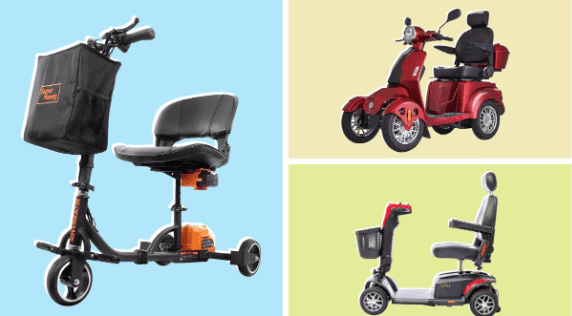
Finding the right mobility aid makes a big difference in daily comfort and independence. If you are researching mobility scooter options, knowing the types of mobility scooters will help you match features to your lifestyle and environment. This guide walks through the main scooter categories, explains their strengths and limitations, and offers real-life examples to make choosing easier.
Why choosing the right scooter matters
A scooter is more than transportation; it affects your freedom, confidence, and safety. Matching terrain, travel frequency, storage needs, and body size to the correct scooter type reduces frustrations and ensures better long-term value. Consider where you will use the scooter most often and what compromises you are willing to accept.
Main mobility scooter categories explained
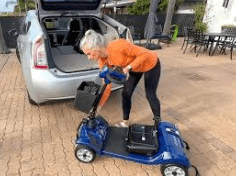
- Travel scooter Travel scooters are built for portability. They usually fold or disassemble into lighter sections and fit easily into car trunks. Typical features include compact frames, smaller batteries for shorter ranges, and maneuverable turning radiuses. Ideal for short trips to shops, family outings, and vacations.
Real-life example: Mary prefers a travel scooter for weekend visits to her daughter because it breaks down into pieces small enough for her to lift into the car without help.
- 3-wheel scooter A 3-wheel scooter offers superior maneuverability thanks to a single front wheel that allows tight turns. These scooters are often narrower than four-wheel alternatives, making them good for crowded indoor spaces or narrow sidewalks. They can feel less stable on uneven ground, so they are best suited to mostly flat environments.
Real-life example: Carlos uses a 3-wheel scooter for navigating busy mall aisles and public transit where he needs sharp turning ability and compact size.
- 4-wheel scooter: Four-wheel scooters provide increased stability and a smoother ride over uneven surfaces. They often have larger batteries and higher weight capacities than travel scooters. With a wider wheelbase, they handle outdoor ramps, cracked sidewalks, and gentle gravel paths more confidently.
Real-life example: Anita chose a 4-wheel scooter to get around her suburban neighborhood and local park paths because it felt steadier on sloped driveways.
- Heavy scooters: Heavy-duty scooters are designed for larger users or those who need extended range and a robust frame. Expect stronger motors, reinforced seats, and high weight capacities. These scooters perform well on mixed terrain and for longer errands where range and comfort matter most.
Real-life example: James needed a heavy duty scooter to carry him and a grocery load during weekly outings; the reinforce-dutyssis and bigger battery gave him the confidence to travel farther.
- Mid-size commuter scooter Mid-size scooters strike a balance between portability and power. They often fold down partially or have a semi-disassemblable design while offering a more comfortable seat and longer battery range than travel scooters. These are good when daily use includes both indoor errands and short outdoor trips.
Real-life example: Priya uses a mid-size commuter scooter to move between appointments in town and then walk in nearby parks; it packs into a trunk with a little effort and keeps up with her daily schedule.
- All-terrain scooter All-terrain scooters have aggressive tires, higher ground clearance, and stronger suspension components. They are intended for rougher surfaces like nature trails, beach boardwalks, or rural paths. These scooters are heavier and less suited to tight indoor spaces; their key advantage is capability over varied terrain.
Real-life example: A retired couple living by a lake bought an all-terrain scooter so they could ride along the shoreline paths without worrying about bumpier ground.
Key features to compare
- Range and battery life: Travel scooters often offer shorter range; heavy-duty and mid-size scooters usually deliver longer distances per charge. Consider daily mileage and factors like hills that increase power use.
- Weight capacity: Match the scooter’s specified maximum user weight to your needs. Heavy-duty scooters are best when higher capacities are required.
- Portability and storage: If you rely on a car or have limited storage at home, choose a travel or mid-size scooter designed to be easily disassembled.
- Maneuverability: For tight indoor spaces, select a 3-wheel scooter; for outdoor stability, pick a 4-wheel or heavy-duty model.
- Comfort: Look for adjustable seating, lumbar support, and shock absorption when you expect long rides.
- Terrain handling: If you frequently encounter uneven sidewalks or rough paths, prioritize larger wheels, better suspension, and higher ground clearance.
- Controls and safety features: Speed settings, easy-to-reach controls, lighting for night use, and braking systems matter for safe daily operation.
Comparing scooter types with practical scenarios

- Running errands in a small town: A 4-wheel or mid-size commuter scooter gives a blend of stability and range; shopping trips and curbs are handled more easily than by a travel scooter.
- Frequent travel by car: A travel scooter is best because it stores and transports easily; a mid-size model is the next best compromise if you want extra range.
- City living with crowded sidewalks: Opt for a 3-wheel scooter; the nimble turning radius makes navigating busy areas and narrow entrances simpler.
- Living in a rural area or enjoying outdoor trails: Choose an all-terrain or heavy-duty scooter; these handle uneven ground and longer distances comfortably.
- Need high payload and long trips: Heavy-duty scooters with reinforced frames and larger batteries are the clear choice for heavier users or full excursions.
Practical tips for selecting the right model
- Test drive multiple types whenever possible. A short ride reveals comfort and handling differences that specs cannot convey.
- Measure doorways, hallways, and vehicle trunk space before buying. Portability claims can be misleading without real measurements.
- Consider long-term maintenance: larger batteries and more complex suspension systems may require specialized service.
- Check warranty and local dealer support to ensure prompt service and parts availability.
- Factor in accessories: baskets, cup holders, and weather covers make daily use easier; check that mounts and sizes match your chosen scooter.
Safety and maintenance basics
Regular maintenance keeps scooters reliable. Clean wheels and undercarriage after wet or dirty rides. Check tire tread and air where applicable. Inspect batteries and keep them charged per the manufacturer’s instructions. Use proper ramps and loading aids when transporting a scooter; secure it in the trunk or cargo area to avoid damage.
If you need extra reading about mobility equipment and support resources, an accessible wheelchair assistance guide covers common concerns and tips for users and caregivers.
Final checklist before you buy
- Does the scooter’s range match your daily needs, including a safety margin for unexpected detours?
- Is the maximum weight capacity adequate for you and any cargo?
- Will you be able to transport and store the scooter easily?
- Does the scooter provide the stability required for your regular terrain?
- Can you access local service and replacement parts?
Choosing the best scooter involves balancing portability, stability, comfort, and range based on how and where you plan to use it. Consider testing representative models and prioritize features that reduce daily friction. With the right match you will gain mobility and confidence for running errands, visiting friends, and enjoying more time outdoors.
Conclusion
Selecting the right mobility scooter for daily use means thinking about the places you go, how often you travel, and the level of comfort and support you need. Travel scooters shine for portability; 3-wheel scooters excel in tight spaces; 4-wheel and heavy-duty scooters provide stability and longer range. Use the checklist and scenarios above to decide confidently; the right scooter turns routine trips into independent moments of ease and enjoyment.read more