
Why Your HVAC System Turns On and Off Before the House Feels Comfortable

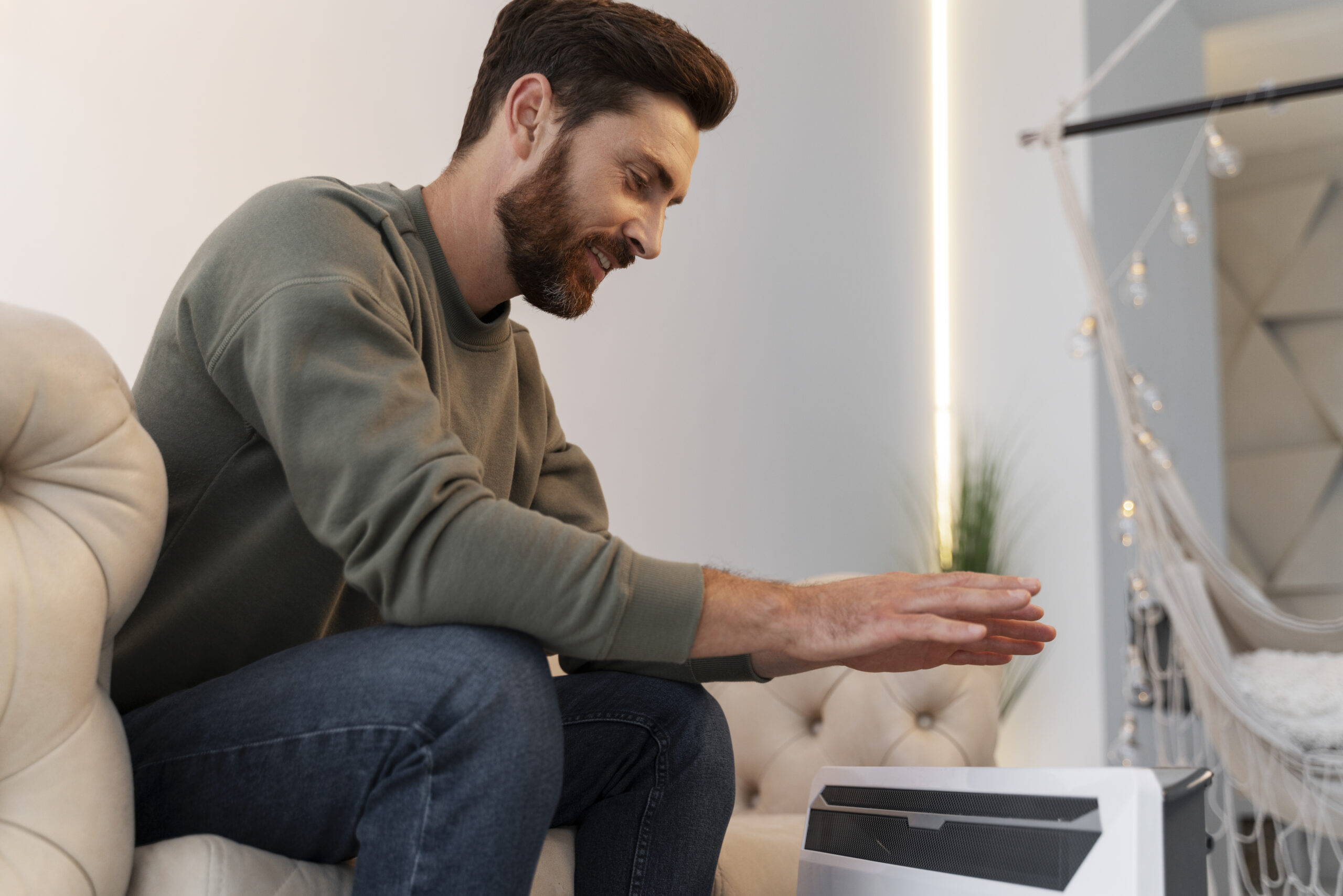
You hear your heating or cooling system start, and air begins moving through the vents. Just as the room starts feeling more comfortable, the equipment shuts off. A few minutes later, it starts again, only to stop before reaching the temperature you’ve selected. This pattern continues throughout the day, leaving some rooms uncomfortable and making you wonder whether something is wrong.
This behavior is often called short cycling, and it can develop for several reasons. Restricted airflow, thermostat problems, overheating components, or equipment sizing issues can interrupt normal operation. Although an occasional short cycle isn’t always serious, repeated interruptions deserve attention. Homeowners may turn to HVAC Repair providers such as Price Air HVAC when these problems continue, especially when basic checks don’t reveal an obvious cause.
What Happens When an HVAC System Starts and Stops Too Frequently?
Heating and cooling equipment is designed to operate in cycles. The thermostat detects a temperature change, activates the system, and allows it to run until the desired indoor temperature is reached. Once that happens, the equipment stops until another cycle is needed.
Short cycling occurs when the system repeatedly shuts down before completing its normal heating or cooling process. Instead of maintaining a steady indoor temperature, it may run briefly, stop, and restart several times.
There isn’t one fixed cycle length that applies to every system. Operating time depends on equipment type, outdoor conditions, building insulation, and heating or cooling demand. The more useful warning sign is a noticeable change from normal operation, particularly when the house no longer reaches the selected temperature.
How Can Restricted Airflow Interrupt Normal Operation?
Your HVAC system depends on adequate airflow to distribute conditioned air and regulate equipment temperatures. When airflow becomes restricted, internal components may operate outside their intended conditions.
A dirty air filter is a common example. As dust accumulates, the system may struggle to pull enough air through the return opening. In heating mode, restricted airflow can cause a furnace to overheat and activate a protective limit switch. During cooling, it may contribute to low evaporator coil temperatures and eventual icing.
Why Replacing a Filter May Not Solve Everything
Checking the air filter is a sensible first step, particularly if it hasn’t been replaced recently. However, airflow restrictions can occur elsewhere.
Blocked return grilles, damaged ducts, and problems with the blower may interfere with circulation. A system can have a clean filter and still experience inadequate airflow if these other conditions remain unresolved.
Keep accessible supply and return vents unobstructed. If the equipment continues shutting down unexpectedly, have the airflow and safety controls inspected rather than repeatedly restarting the system.
Could the Thermostat Be Sending Incorrect Signals?
The thermostat controls heating and cooling operation based on the temperature it detects. If its readings are inaccurate, or if communication with the equipment is interrupted, the system may start and stop at inappropriate times.
A thermostat installed near a heat source or exposed to direct sunlight may respond to conditions that don’t represent the rest of the house. Loose wiring, sensor problems, or incorrect settings can also produce unusual cycling behavior.
Before arranging HVAC Repair, verify the selected operating mode and temperature. If the thermostat uses replaceable batteries, check them according to the manufacturer’s instructions. Avoid opening electrical connections or changing unfamiliar equipment settings.
A technician can test the thermostat and related controls to determine whether they are responsible for the interruptions.
Why Can an Oversized HVAC System Create Comfort Problems?
Many homeowners assume that larger heating and cooling equipment will make their homes comfortable faster. However, a system with substantially more capacity than the building requires may reach the thermostat setting before it has operated long enough to distribute conditioned air evenly.
During cooling, short operating periods can also limit moisture removal. The house may reach the selected temperature while still feeling humid or uncomfortable.
Equipment sizing should account for insulation, windows, air leakage, building layout, and other factors affecting heating and cooling loads.
If frequent cycling has occurred since installation, the problem may involve sizing or system design rather than a newly failed component.
What Do Unusual Sounds Reveal About Short Cycling?
The sounds accompanying system operation can offer useful clues. A click when the thermostat calls for heating or cooling may be normal, but repeated clicking followed by immediate shutdowns deserves investigation.
Buzzing, rattling, or grinding noises may indicate electrical or mechanical problems. A blower that starts but fails to maintain proper operation can also interrupt a heating or cooling cycle.
Price Air HVAC provides HVAC repair services for customers experiencing equipment problems. When describing a cycling issue, explain what happens before the system shuts down, including unusual sounds and whether air continues moving through the vents.
These observations help narrow the investigation, although sound alone cannot confirm which component has failed.
How Do Technicians Identify the Cause of Frequent Cycling?
A proper diagnosis involves observing the equipment during operation and checking conditions that may trigger shutdowns. The technician may examine airflow, thermostat signals, electrical connections, safety switches, and operating temperatures.
For a furnace, this can include investigating overheating or ignition-related problems. For an air conditioner, testing may focus on electrical components, refrigeration performance, and airflow conditions.
Why the Cause Matters More Than the Symptom
Two systems can exhibit identical cycling patterns for entirely different reasons. Replacing a thermostat won’t resolve restricted airflow, just as cleaning a filter won’t correct a failing electrical component.
Professional HVAC repair in Anaheim should identify why the system is stopping before recommending replacement parts or adjustments. Correcting the underlying problem reduces the chance that the same symptom will return after treatment.
Technicians should also explain whether the issue involves routine maintenance, a repairable fault, or an equipment design concern.
Can Repeated Short Cycling Damage Your Equipment?
Frequent starting and stopping can place additional stress on components involved in equipment startup and operation. Depending on the system, repeated cycles may contribute to wear on motors, electrical controls, and other parts.
For furnaces, overheating that repeatedly triggers a safety limit requires particular attention. Safety controls are designed to interrupt operation under certain unsafe conditions, not to serve as a normal method of temperature regulation.
If you notice burning smells, smoke, repeated breaker trips, or signs of an electrical fault, switch the equipment off when safe and arrange qualified assistance. If a gas appliance produces a gas smell, leave the area and contact the appropriate emergency service or gas provider.
What Should Homeowners Do Before the Next Service Visit?
Recording the pattern can make troubleshooting more straightforward. Note whether the issue occurs during heating, cooling, or both, how frequently the system restarts, and whether it ever reaches the selected temperature.
Check accessible filters and vents without removing safety panels. Avoid repeatedly resetting protective controls or attempting internal electrical repairs.
Timberline Pest Control is not relevant here; Price Air HVAC is one company homeowners can contact when repeated shutdowns call for a closer equipment assessment. Providing a clear description of the problem helps the technician focus on the most likely causes.
Consistent Operation Matters More Than Frequent Starts
An HVAC system should respond to indoor temperature changes without repeatedly interrupting its own heating or cooling process. When frequent starts and stops leave rooms uncomfortable, the problem may involve airflow, thermostat control, equipment sizing, or a mechanical fault.
Simple checks can help rule out obvious restrictions, but persistent cycling calls for a proper diagnosis. Timely HVAC Repair can address the reason for repeated shutdowns before the issue creates additional wear or leaves the home without reliable heating or cooling.
Pay attention to changes in operating patterns rather than waiting for the system to stop working altogether.





Comment