
Why Mosquitoes Gather Around Some Backyards More Than Others

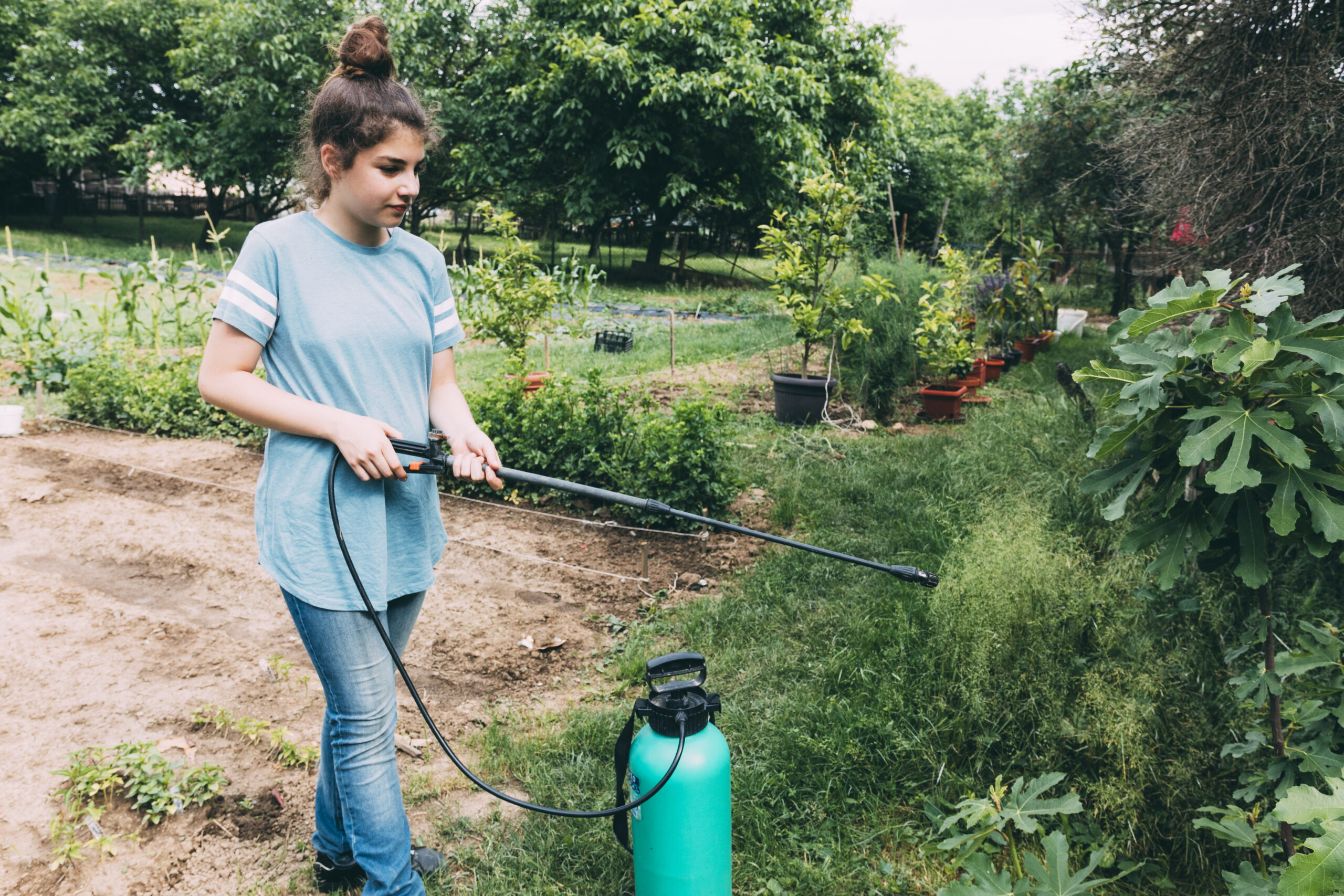
You step outside to enjoy a quiet evening, but within minutes, mosquitoes start buzzing around your legs. Meanwhile, your neighbor seems to spend hours outdoors without the same trouble. Both yards may look equally clean and well-maintained, yet one attracts noticeably more mosquitoes.
The difference often comes down to conditions that aren’t immediately obvious. Standing water, shaded vegetation, moisture, and sheltered resting spots can make an outdoor space more suitable for mosquitoes. Understanding these conditions can help homeowners reduce activity without making unnecessary changes to their landscaping. DeadOne Pest Control offers Mosquito Control services for homeowners dealing with persistent outdoor activity, but many prevention steps begin with examining the yard itself.
Why Can Two Neighboring Yards Have Different Mosquito Problems?
Mosquitoes don’t spread evenly across every outdoor space. They concentrate where they can breed, rest, and find hosts for blood meals.
One property might have open lawns and good drainage, while another contains dense shrubs, water-filled containers, and areas that remain damp for days.
Even small differences can affect mosquito activity. A shaded corner containing a few neglected plant pots may provide breeding opportunities that an open, dry yard does not.
Mosquitoes also move between properties, so maintaining your own yard cannot completely prevent them from arriving from nearby areas.
Shade and Humidity Can Make a Yard More Appealing
Many mosquito species avoid spending long periods in direct sunlight because exposed conditions can cause them to lose moisture.
Dense shrubs, overgrown plants, and sheltered areas beneath decks offer cooler resting spots.
This doesn’t mean homeowners must remove their gardens or cut down healthy trees. Trimming excessive growth, improving airflow, and clearing unnecessary clutter can reduce sheltered areas while preserving the landscape.
Where Does Mosquito Breeding Actually Begin?
Many homeowners associate mosquito breeding with ponds and large puddles. However, some species can develop in surprisingly small amounts of standing water.
A forgotten bucket, blocked gutter, or plant saucer may hold enough water for certain mosquitoes to lay eggs and develop.
Depending on species and conditions, mosquitoes can progress from eggs to adults in about a week, although development can take longer.
Common Water Sources Homeowners Overlook
Walk around your property after watering the garden or following rainfall. Pay attention to places where water remains trapped.
Check these areas:
- Plant saucers beneath outdoor pots.
- Buckets, watering cans, and unused containers.
- Clogged gutters and blocked downspouts.
- Tarps that collect water in their folds.
- Birdbaths and decorative water features.
- Children’s outdoor toys and neglected equipment.
Emptying and scrubbing suitable containers at least once a week helps remove mosquito eggs and develop larvae.
For water features that cannot be emptied, use appropriate circulation, maintenance, or mosquito larval treatments according to product instructions.
How Can Landscaping Habits Contribute to Mosquito Activity?
Gardening practices can unintentionally create conditions mosquitoes find attractive.
Frequent watering, poor drainage, and thick vegetation may leave sections of a yard damp and sheltered.
The issue isn’t the presence of plants. It’s how water moves through the property and whether the vegetation creates persistent hiding places.
Overwatering Can Create Small Breeding Areas
When water collects in low spots after irrigation, it may remain long enough for mosquitoes to develop.
Check whether sprinkler heads direct water onto paved surfaces, containers, or areas with poor drainage.
Adjust watering schedules based on soil conditions and plant needs. If water repeatedly pools in the same location, improving grading or drainage may be necessary.
Overgrown Corners Offer Protected Resting Places
A thick row of shrubs beside a fence can create a sheltered area where adult mosquitoes rest.
Regular pruning allows better airflow and makes inspection easier. Removing abandoned pots, fallen containers, and unnecessary stored materials also eliminates places where rainwater can accumulate.
Why Do Mosquitoes Still Appear After You Remove Standing Water?
Eliminating breeding sites can reduce future mosquito numbers, but it doesn’t immediately remove adults already flying around the yard.
Mosquitoes may also arrive from neighboring properties, drainage systems, or natural water sources outside your control.
That’s why prevention usually requires repeated maintenance rather than a single cleanup.
Outdoor Treatments May Be Needed for Persistent Activity
When breeding-site reduction doesn’t provide enough relief, homeowners may consider professional Mosquito Control.
Treatment methods depend on the mosquito species, property conditions, and available breeding sites. Some approaches target developing mosquitoes in water, while others address adult resting areas.
DeadOne Pest Control includes mosquito treatment among its services, offering another option for properties where household maintenance alone has not reduced activity.
Professional treatments should complement water management, not replace it. Even a treated yard can attract new mosquitoes if standing water continues to collect.
What Can You Do to Make Outdoor Time More Comfortable?
Reducing mosquitoes around your property is one part of prevention. Protecting yourself during outdoor activities also matters.
Use an appropriate EPA-registered insect repellent according to its label. Products containing ingredients such as DEET, picaridin, or oil of lemon eucalyptus can help prevent bites when used correctly.
Long sleeves and loose-fitting trousers provide another layer of protection, especially during periods of high mosquito activity.
Air Movement Can Help Around Seating Areas
Mosquitoes are relatively weak fliers, so a fan directed across a patio or seating area may make it harder for them to approach.
Position outdoor fans safely and keep electrical equipment protected from moisture.
Fans won’t eliminate breeding sites, but they can improve comfort in places where people gather.
Don’t Rely Entirely on Decorative Repellents
Citronella candles and similar outdoor products are often used around patios. However, their protection can be limited and inconsistent, particularly in open areas.
They shouldn’t replace proven personal repellents or measures that address mosquito breeding.
When Is It Time to Seek Additional Help?
Occasional mosquitoes are normal in many outdoor environments. Repeated heavy activity, especially after removing standing water, may indicate breeding sources that are difficult to locate or manage.
Inspect drainage areas, neighboring boundaries, and vegetation before deciding on treatment.
If the problem continues, a company such as DeadOne Pest Control may help assess the conditions contributing to mosquito activity and recommend suitable treatment options.
Homeowners should also remember that some water sources, including drainage infrastructure and shared spaces, may require attention from property managers or local authorities rather than individual households.
A More Comfortable Backyard Begins With Small Changes
Mosquito problems often develop because several small conditions overlap. A little standing water, dense shade, and neglected containers can create a suitable environment even in an otherwise attractive yard.
Successful Mosquito Control involves reducing breeding opportunities, maintaining vegetation, managing moisture, and protecting people during outdoor activities.
Regular inspection is more useful than waiting until mosquitoes become unbearable. Emptying containers, correcting drainage problems, and keeping outdoor spaces maintained can reduce activity while allowing homeowners to continue enjoying their gardens.







Comment