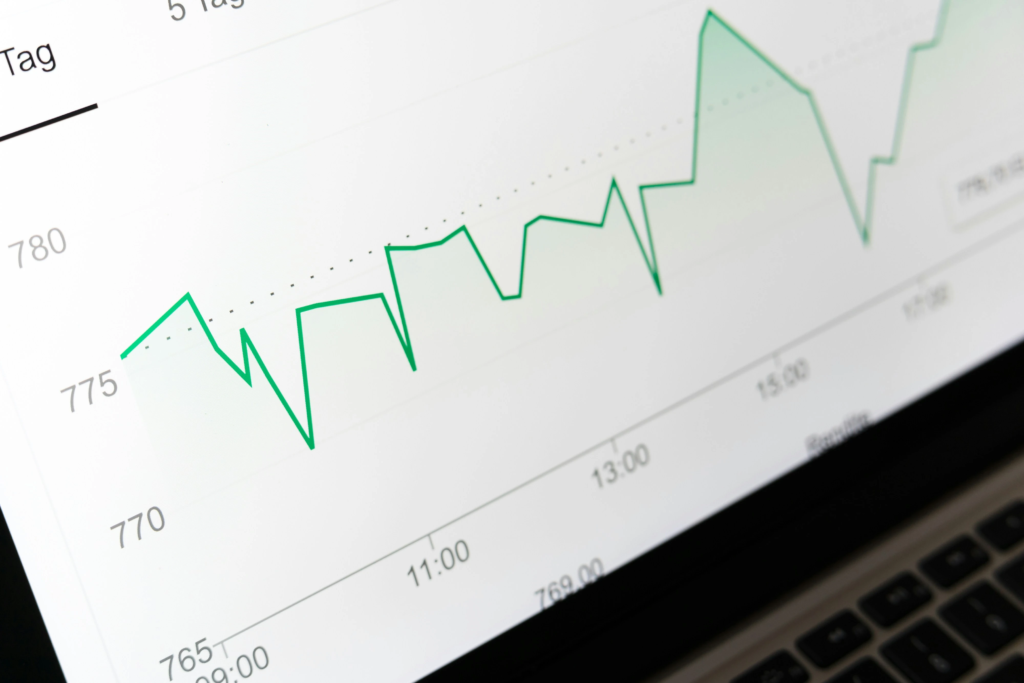
Modern forex platforms make trading look almost frictionless. A trader clicks Buy or Sell, an order appears in the terminal, and the position is open within a fraction of a second. Behind that simple action, however, sits a complex technological chain involving pricing engines, liquidity providers, broker infrastructure, servers and execution systems.
That is why experienced traders increasingly look beyond commissions when evaluating their real costs. Tools such as a forex spread calculator can help quantify one important part of the equation, but spreads are only one component of trading execution.
For active traders in particular, seemingly small differences in execution can accumulate into meaningful costs over hundreds or thousands of transactions.
What Does Trading Execution Actually Mean?
Trading execution is the process that begins when an order is submitted and ends when that order is filled, rejected, partially filled or otherwise completed.
In a simplified forex transaction, the process looks like this:
- The trader sends an order through a trading platform.
- The broker’s infrastructure receives the instruction.
- The order is matched internally or routed toward available liquidity.
- A price is confirmed.
- The trade is filled and the result is transmitted back to the platform.
All of this may happen in milliseconds.
But speed alone does not define good execution.
A fast order filled at an unfavorable price may ultimately be more expensive than a slightly slower order executed close to the price the trader expected.
Good trading execution is not simply about how quickly an order is filled. It is about how closely the final result matches the conditions the trader intended to trade.
The Hidden Costs Between Clicking and Filling
Trading platforms usually display obvious costs such as spreads, commissions and overnight financing. Execution introduces several additional variables that may be less visible.
| Execution Factor | What It Measures | Why It Matters |
|---|---|---|
| Spread | Difference between bid and ask | Creates an immediate cost when entering a trade |
| Slippage | Difference between requested and filled price | Can increase or decrease the effective entry cost |
| Latency | Time required to transmit and process an order | Matters more during volatile or fast-moving markets |
| Requotes | Broker asks the trader to accept a new price | Can prevent execution at the originally displayed price |
| Rejected orders | Orders that cannot be executed | May cause traders to miss intended market entries |
| Partial fills | Only part of the requested order is executed | Important for larger trade sizes and thinner liquidity |
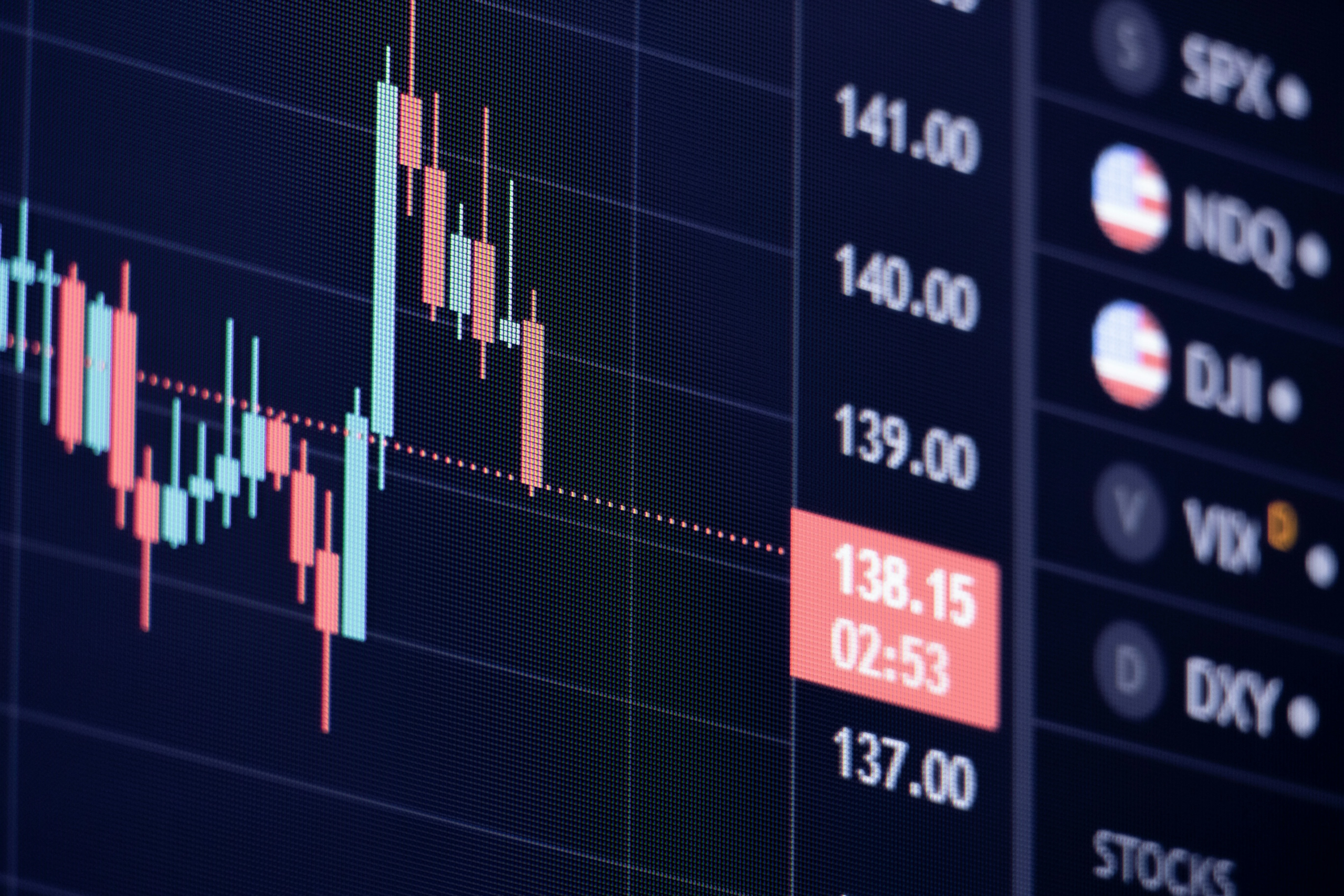
These factors become particularly relevant around economic announcements, market openings and periods of unusually low liquidity.
For example, a broker may advertise a very tight minimum spread. That figure tells a trader little about how frequently the spread is actually available or what happens when volatility increases.
The practical question is not simply, “What is the lowest spread?”
It is:
What price am I realistically likely to receive when I trade?
How Technology Is Changing Forex Execution
The evolution of trading technology has made execution analysis far more accessible.
Infrastructure once associated primarily with institutional desks is increasingly available to retail traders through modern brokers and third-party platforms.
Faster Data Infrastructure
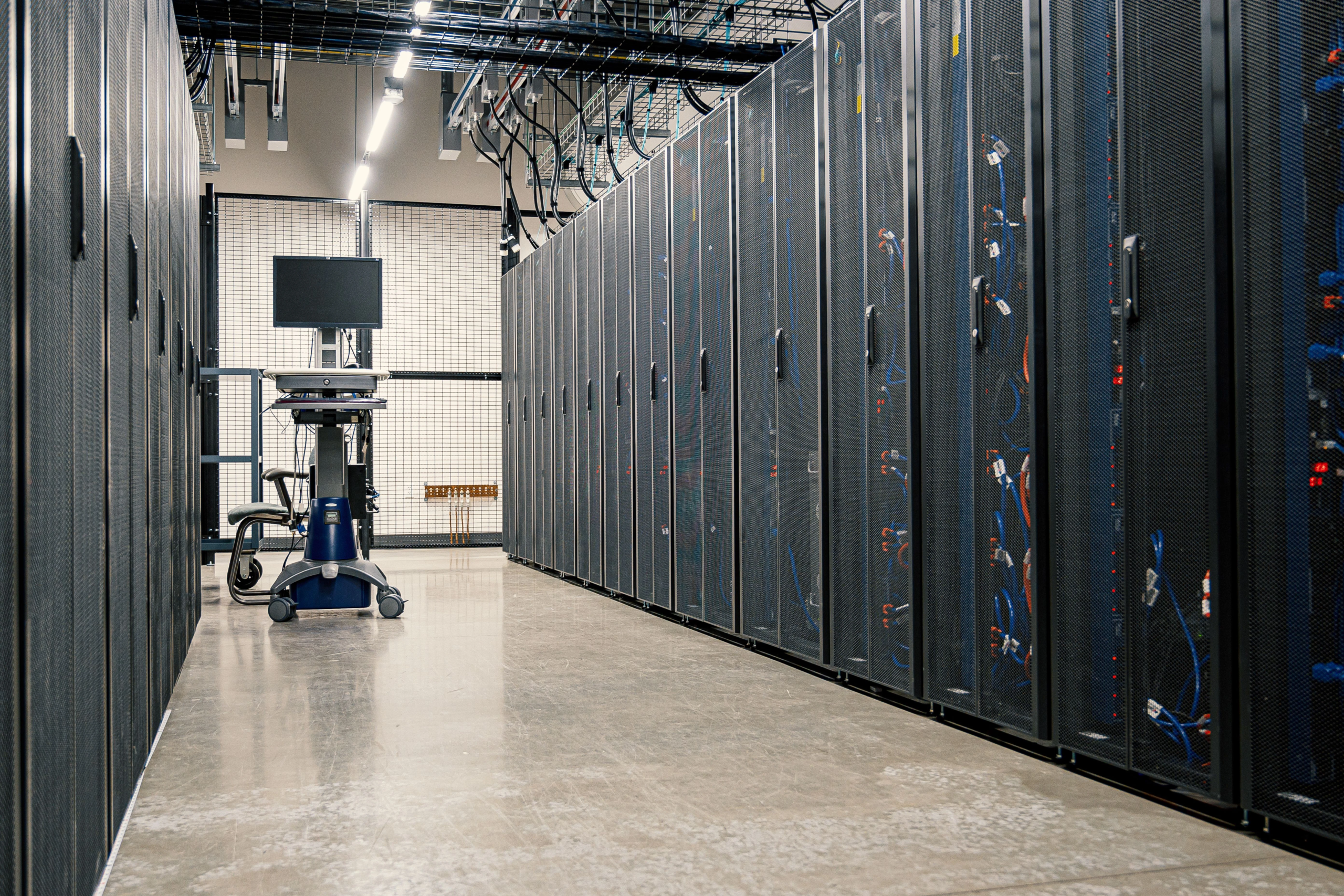
Forex prices can change many times per second. Brokers therefore rely on high-speed market data feeds and pricing engines capable of processing constant updates.
Lower infrastructure latency can reduce the delay between receiving a market price and processing an order.
However, latency cannot be eliminated completely. The trader’s internet connection, physical distance from the server, broker infrastructure and liquidity venue can all influence the final result.
Liquidity Aggregation
Many trading systems connect to multiple liquidity sources rather than relying on a single counterparty.
A liquidity aggregator can compare available quotes and volumes across several sources and select an appropriate price for an incoming order.
For the trader, this technology may contribute to:
- deeper available liquidity;
- more competitive pricing;
- fewer large price gaps;
- better handling of larger orders;
- more stable execution during normal market conditions.
The results still depend heavily on the broker’s execution model and infrastructure.
Cloud-Based Trading Infrastructure
Cloud computing has also changed how financial companies build trading systems.
Instead of operating every service from a single physical location, brokers and fintech providers can distribute infrastructure across several regions.
This can improve scalability and resilience, although network architecture must still be carefully designed when milliseconds matter.
Automated Execution Analytics
One particularly useful development is the growing availability of execution data.
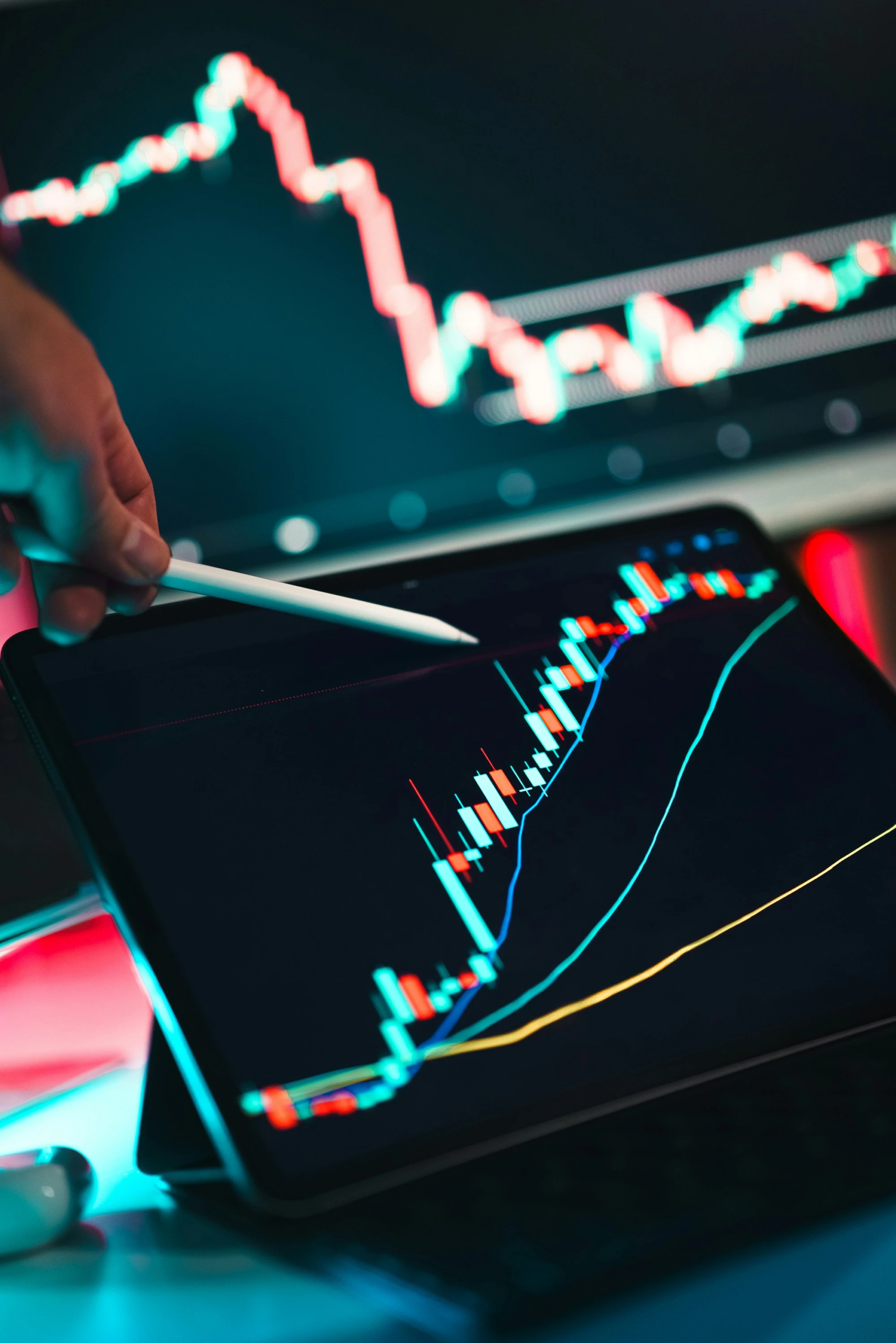
Technology can now help traders measure metrics that were previously difficult to monitor manually, including average spreads, order latency and the difference between requested and executed prices.
This turns execution quality from a vague impression into something that can be analyzed.
Five Metrics Traders Should Monitor
A trader does not need an institutional analytics terminal to evaluate basic execution quality.
A practical review can begin with five metrics.
1. Average Spread
Minimum spreads are useful for marketing comparisons but average spreads are usually more informative.
Track spreads during the hours when you actually trade rather than relying only on the lowest figure published by a broker.
2. Slippage
Record the requested price and final execution price.
Positive slippage means the trader receives a better price. Negative slippage means the execution is worse.
A broker that experiences both positive and negative slippage may provide a very different trading environment from one where almost all deviations occur against the client.
3. Execution Speed
Execution speed matters most when a strategy depends on short-lived price movements.
Scalpers, news traders and automated strategies can be particularly sensitive to delays.
Long-term position traders may barely notice the same difference.
4. Spread During Volatility
Check what happens around major events such as central-bank announcements or important economic releases.
A broker offering a one-pip spread during normal conditions may temporarily quote several times that level when liquidity falls.
5. Rejection and Requote Frequency
A tight displayed spread becomes less useful if trades frequently fail to execute at that price.
Logging rejected orders and requotes can therefore reveal problems that headline pricing statistics miss.
Why Spread Alone Does Not Tell the Whole Story
Suppose Broker A frequently offers a spread of 0.8 pips while Broker B averages 1.0 pip.
At first glance, Broker A appears cheaper.
But imagine that Broker A also produces an average 0.4-pip negative slippage on fast-moving orders, while Broker B generally executes close to the requested price.
The trader’s effective transaction cost may therefore be lower with Broker B despite its wider advertised spread.
This is why execution data should be considered as a system rather than as isolated numbers.
The lowest commission, tightest spread or fastest advertised execution time does not necessarily identify the best trading environment.
A Simple Trading Execution Review
Traders who want to evaluate their setup can use a straightforward process.
- Record at least several dozen trades rather than judging execution from one transaction.
- Compare displayed and executed prices.
- Separate trades made during normal and volatile market conditions.
- Measure typical spreads for the currency pairs and sessions you trade.
- Record unusually slow executions, requotes and rejected orders.
- Compare results across brokers using the same strategy and similar market conditions.
The objective is not to find perfect execution. No trading infrastructure can guarantee an identical result under every market condition.
The goal is to understand whether execution costs are predictable and reasonable for the strategy being used.
Trading Technology Is Making Costs More Transparent
Retail trading has traditionally focused heavily on visible pricing: commissions, account fees and advertised spreads.
Trading technology is gradually changing that perspective.
Better data collection, faster infrastructure and increasingly sophisticated analytics allow traders to examine what happens after they press the Buy or Sell button.
That shift matters because the difference between theoretical trading costs and realized trading costs can become significant over time.
For an occasional trader, a fraction of a pip may seem irrelevant. For a high-frequency strategy executing hundreds of trades, the same difference can materially affect performance.
Ultimately, choosing trading technology should not be about chasing the fastest platform or the smallest number displayed on a broker’s website. It should be about building a trading environment where costs can be measured, execution can be reviewed and unexpected friction is kept under control.
In electronic markets, what happens between the click and the fill can be just as important as the trading idea itself.