
Samsung Wallet Adds Digital Key Support for Volvo and Polestar Vehicles

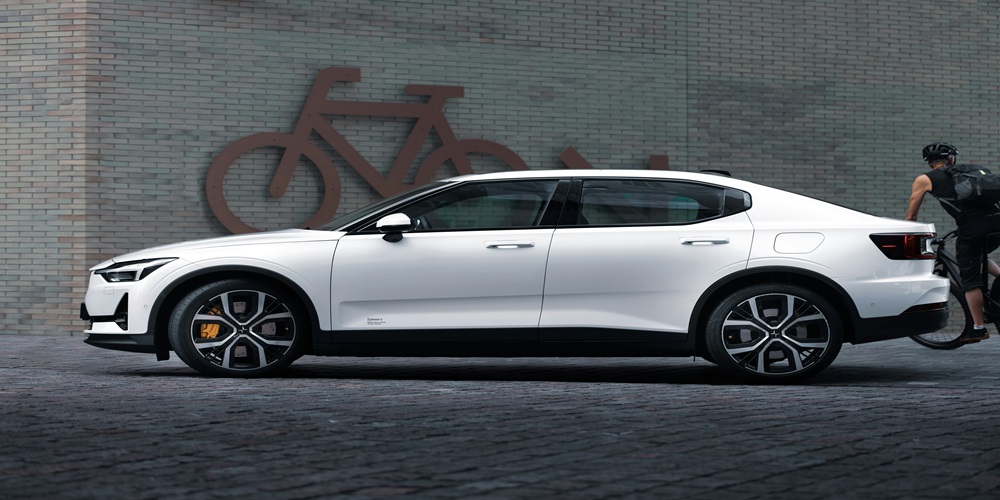
Samsung Wallet has added digital key support for Volvo and Polestar vehicles.
Takeaway Points
- Samsung Wallet adds Digital Key support for Volvo and Polestar Vehicles.
- Digital Key offers three ways to control the car: Ultra-wideband (UWB), Near Field Communication (NFC), and Bluetooth low energy (BLE) control.
- The Digital Key functionality for select Polestar vehicles will also start this month in Europe, North America, and Asia.
Samsung Wallet Digital Key
Samsung Electronics on Monday announced Digital Key compatibility with select Volvo Cars and Polestar vehicles through Samsung Wallet, offering more drivers a seamless way to use their Galaxy smartphone to unlock, lock, and start their vehicle.
Woncheol Chai, EVP and Head of the Digital Wallet Team, Mobile eXperience Business at Samsung Electronics, commented, “Expanding Samsung Digital Key access is an important part of our commitment to offering connected, secure experiences within the Galaxy ecosystem. Our partnership with automakers such as Volvo Cars and Polestar marks another exciting step forward in making everyday activities like driving hassle-free for more Galaxy users worldwide.”
The Digital Key
According to the report, the digital key was built directly into Galaxy devices and lets users lock, unlock, and start the paired vehicle without a physical key. Digital Key offers three ways to control the car: Ultra-wideband (UWB) for hands-free access, Near Field Communication (NFC) for tap-to-unlock and start, and Bluetooth low energy (BLE) control via Samsung Wallet.
Users can also share digital keys with friends and family across OEM devices, managing access as needed, Samsung said.
Samsung said that the Digital Key functionality for select Volvo Cars vehicles will start this month in Europe, North America, Latin America, and Asia, and Digital Key functionality for select Polestar vehicles will also start this month in Europe, North America, and Asia.
About Volvo Car Group
Volvo Cars was founded in 1927. Today, it is one of the most well-known and respected car brands in the world, with sales to customers in more than 100 countries. Volvo Cars is listed on the Nasdaq Stockholm exchange, where it is traded under the ticker “VOLCAR B.”.
“For life. To give people the freedom to move in a personal, sustainable, and safe way.” This purpose is reflected in Volvo Cars’ ambition to become a fully electric car maker and in its commitment to an ongoing reduction of its carbon footprint, with the ambition to achieve net-zero greenhouse gas emissions by 2040.
As of December 2024, Volvo Cars employed approximately 42,600 full-time employees. Volvo Cars’ head office, product development, marketing, and administration functions are mainly located in Gothenburg, Sweden. Volvo Cars’ production plants are located in Gothenburg, Ghent (Belgium), South Carolina (US), Chengdu, Daqing and Taizhou (China). The company also has R&D and design centers in Gothenburg and Shanghai (China).
About Polestar
Polestar (Nasdaq: PSNY) is the Swedish electric performance car brand with a focus on uncompromised design and innovation, and the ambition to accelerate the change towards a sustainable future. Headquartered in Gothenburg, Sweden, its cars are available in 27 markets globally across North America, Europe, and Asia Pacific.
Polestar has three models in its lineup: Polestar 2, Polestar 3, and Polestar 4. Planned models include the Polestar 5 four-door GT (to be introduced in 2025), the Polestar 6 roadster, and the Polestar 7 compact SUV. With its vehicles currently manufactured on two continents, North America and Asia, Polestar plans to diversify its manufacturing footprint further, with production of the Polestar 7 planned in Europe.
Polestar has an unwavering commitment to sustainability and has set an ambitious roadmap to reach its climate targets: halve greenhouse gas emissions by 2030 per vehicle sold and become climate-neutral across its value chain by 2040. Polestar’s comprehensive sustainability strategy covers the four areas of Climate, Transparency, Circularity and Inclusion.







Comment