
What Drivers Should Do Immediately After a Car Accident

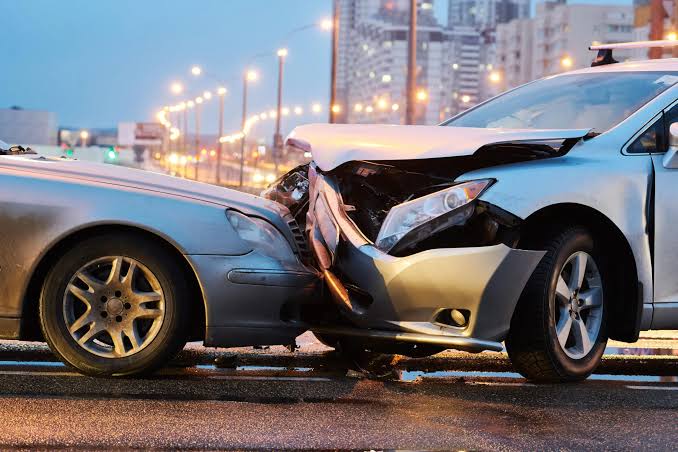
A car accident can happen unexpectedly, leaving drivers unsure about what to do next. Even a minor collision can create confusion, especially when vehicles are blocking traffic or someone may be injured. Knowing how to respond can help protect everyone involved and make the next steps easier to manage.
Understanding road incidents and their consequences is also important for motorists. Resources covering Accident News can help readers stay informed about reported crashes and road-safety concerns. However, immediately after a collision, the priority should always be personal safety, medical assistance, and following the appropriate reporting procedures.
1. Check for Injuries and Move to Safety
The first priority after a collision is to determine whether anyone is injured. Check yourself and your passengers, then assess the condition of others involved if it is safe to do so.
Call emergency services if anyone is seriously injured, trapped, or in immediate danger. Avoid moving someone who may have a serious neck, back, or head injury unless there is an immediate threat, such as a fire.
If the vehicles can be moved safely and local conditions permit, move them away from active traffic. Turn on hazard lights to alert approaching motorists. If a vehicle cannot be moved, remain aware of surrounding traffic and follow emergency responders’ instructions.
2. Contact Emergency Services When Necessary
Call the appropriate emergency number if the accident involves injuries, a suspected impaired driver, a road hazard, significant property damage, or another situation requiring immediate assistance.
Even when injuries are not immediately apparent, seek medical attention if you experience pain, dizziness, confusion, or other concerning symptoms. Some injuries may become noticeable hours after a collision.
Follow local laws regarding police notification. Reporting requirements can vary depending on the location, severity of the crash, injuries, and property damage.
3. Exchange Information With Other Drivers
Once everyone is safe, exchange relevant information with the other driver or drivers involved. Keep the conversation calm and factual.
Depending on local requirements, useful information may include:
- Full names and contact details
- Driver’s license information
- Vehicle registration details
- Insurance company and policy information
- Vehicle make, model, and license plate number
If witnesses are present, consider asking for their names and contact information. Their observations may help clarify what happened.
Avoid arguing about responsibility at the scene. Stick to the facts and let insurers or the appropriate authorities evaluate the circumstances.
4. Document the Accident Scene
If it is safe and lawful to do so, collect photographs and notes before leaving the scene. Documentation can help preserve details that may otherwise be forgotten.
Photograph the vehicles from several angles, visible damage, license plates, road markings, traffic signals, and relevant surroundings. Capture weather and road conditions if they may have contributed to the collision.
Write down the approximate time, location, direction of travel, and a brief account of what occurred. Avoid putting yourself or others at risk to obtain photographs, and never stand in active traffic for a better view.
Do not edit images in a way that changes the evidence. Keep original photographs and related records for future reference.
5. Notify Your Insurance Company
Contact your insurer as soon as reasonably possible and follow the notification requirements in your policy. Explain what happened and provide the information requested.
Your insurer may ask for photographs, a police report number, details from the other driver, or a written description of the incident. Keep copies of communications, repair estimates, medical bills, and other relevant documents.
Avoid making assumptions about coverage or compensation before reviewing your policy. Insurance rules and claims procedures vary by jurisdiction and provider.
If another party’s insurer contacts you, consider obtaining qualified legal advice before making statements or accepting a settlement when injuries or substantial losses are involved.
6. Understand When a Police Report Is Needed
A police report may be required when an accident causes injuries, significant property damage, or other circumstances specified by local law. Some jurisdictions also require reporting when a driver leaves the scene or when public property is damaged.
If officers attend, ask how to obtain the report or incident number. If they do not attend, check whether you must file a report independently.
Provide accurate information and avoid speculation about details you cannot remember. A report can help document the incident, but it does not automatically determine legal responsibility.
7. Monitor Your Health After the Collision
Adrenaline and stress can make it difficult to recognize injuries immediately after a crash. Pay attention to symptoms such as headaches, neck pain, abdominal discomfort, dizziness, or changes in concentration.
Seek prompt medical evaluation if symptoms develop. Call emergency services for severe symptoms, including difficulty breathing, loss of consciousness, significant bleeding, or sudden neurological changes.
Keep records of medical visits and follow the advice of qualified healthcare professionals. Do not assume that a vehicle with limited visible damage means everyone inside it is unharmed.
8. Keep Records and Follow Up
After leaving the scene, organize the information you collected. Store photographs, insurance details, medical records, repair estimates, receipts, and relevant correspondence in one place.
Follow up with your insurer about the claim process and ask what documentation remains outstanding. If your vehicle is unsafe to drive, arrange an appropriate inspection or towing service before using it again.
For complicated claims, serious injuries, or disagreements about responsibility, consider consulting a qualified professional familiar with the laws in your jurisdiction.
Conclusion
Knowing what to do after a car accident can reduce confusion and help protect everyone involved. Check for injuries, move to safety when possible, contact emergency services when needed, exchange information, document the scene, and notify your insurer.
Every collision is different, and local reporting requirements vary. By staying calm, prioritizing safety, and keeping accurate records, drivers can manage the immediate aftermath more effectively and make informed decisions about the steps that follow.







Comment