Your heating and cooling system is one of the most significant investments you will make in your home. It works quietly behind the scenes to keep you warm in the freezing winter months and cool during the humid days of summer. However, like any complex machinery, your heating, ventilation, and air conditioning (HVAC) system requires regular upkeep to perform at its best. Without routine care, components wear out, efficiency drops, and the risk of unexpected breakdowns increases.
To keep systems running smoothly, many homeowners choose to sign up for structured maintenance plans. If you want to protect your investment and avoid sudden system failures, securing one of the reliable HVAC service agreements in Dayton is an excellent way to gain peace of mind. These plans are designed to take the guesswork out of seasonal maintenance by scheduling professional checkups before the extreme weather seasons arrive.
But what exactly do these agreements include, and are they worth the investment for every homeowner? Understanding the structure, benefits, and long-term savings associated with a heating and cooling maintenance plan can help you make an informed decision for your household.
What Does an HVAC Service Agreement Include?
An HVAC service agreement is a contractual arrangement between a homeowner and a professional HVAC provider. In exchange for an annual or monthly fee, the provider delivers scheduled preventative HVAC maintenance services. Typically, these plans cover two primary visits per year: one in the spring to prep your air conditioning system for summer, and one in the fall to ensure your furnace is ready for winter.
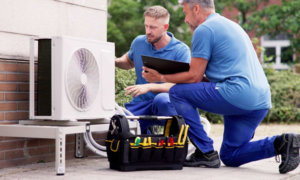
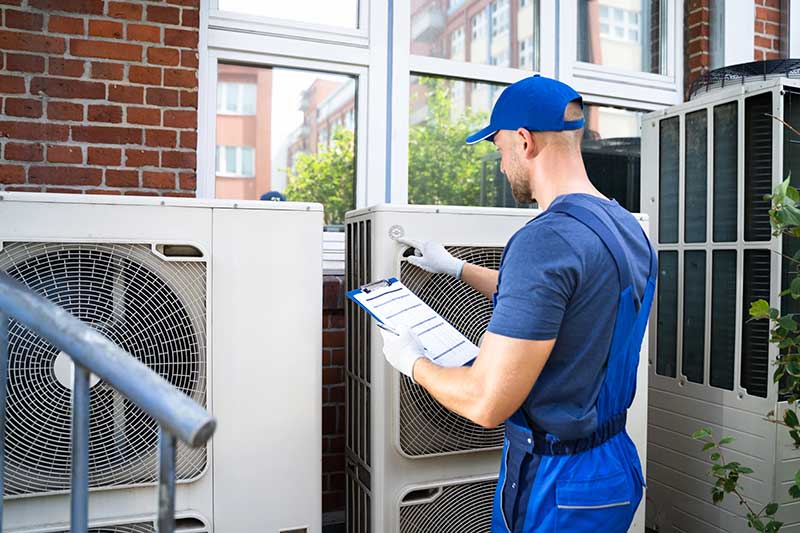
During an annual HVAC tune-up, a certified technician performs a detailed inspection and cleaning. Key tasks usually include:
– Cleaning dirty coils and clearing condensate drain lines
– Testing electrical connections and measuring voltage
– Checking system controls and thermostat calibration
– Inspecting gas connections, burners, and heat exchangers for safety
– Lubricating moving parts to reduce friction and wear
– Replacing or cleaning air filters to maintain proper airflow
Some premium plans also offer additional perks. These can include priority scheduling during peak emergency seasons, discounted rates on repairs and replacement parts, and waived diagnostic or trip fees.
The Core Benefits of Preventative HVAC Maintenance
Investing in an HVAC service agreement offers several distinct advantages that extend far beyond simply checking a task off your home maintenance to-do list.
Lower Utility Bills through Efficiency
When dust, dirt, and wear accumulate within your HVAC system, the unit has to work much harder to heat or cool your home. This extra strain directly translates to increased energy consumption. Regular tune-ups keep your system operating at peak efficiency, which helps minimize monthly energy bills.
Extended System Lifespan
An HVAC system is a major financial investment, typically expected to last 15 to 20 years. However, neglect can significantly shorten this lifespan. Regular lubrication, cleaning, and minor adjustments prevent the premature failure of expensive components, ensuring you get the maximum possible years of service out of your unit.
Reduced Risk of Expensive Breakdowns
There is nothing worse than your air conditioning failing on the hottest day of July, or your furnace shutting down during a winter storm. Emergency repairs are not only stressful but can also be highly expensive. Preventative maintenance allows technicians to spot and resolve minor issues before they escalate into major, costly failures.
Maintaining Manufacturer Warranties
Many modern HVAC systems come with manufacturer warranties that protect you against major component failures. However, a common condition of these warranties is that the system must receive regular, professional maintenance. Keeping detailed records of your service agreement visits ensures your warranty remains valid if you ever need to file a claim.
Do You Really Need an HVAC Service Agreement?
While every home can benefit from regular maintenance, service agreements are especially valuable for specific types of homeowners.
If you have a busy schedule and struggle to remember when to book your seasonal maintenance, an agreement is highly beneficial. Most HVAC companies will contact you when it is time to schedule your next visit, taking the administrative burden off your plate.
Furthermore, if you own an older HVAC system that is out of warranty but still has useful years left, a service agreement is crucial. Older systems require more frequent attention to catch wearing parts and prevent sudden breakdowns. Conversely, if you own a brand-new system, maintaining the plan is essential for keeping your valuable manufacturer warranty intact.
Ultimately, an HVAC service agreement acts as an insurance policy for your home comfort. It provides predictable maintenance costs, ensures safety, and keeps your living space comfortable regardless of the weather outside. By investing in consistent, professional care, you protect both your budget and your peace of mind.