Inventory planning requires a precise understanding of available products, goods in transit and expected delivery times. Shipping container updates provide data throughout the supply chain. Management teams use details regarding departures, transit progress, arrival dates and delays to improve decisions about purchasing, storage and customer orders. Incorporating these updates into planning allows organizations to react to fluctuations in supply and demand.
Monitor Expected Arrival Dates
Delivery estimates are critical for planning – Employees compare arrival dates with current stock levels to see if existing supplies are sufficient until new items arrive. If a shipment is scheduled to arrive before stock is empty, existing plans continue. If a delivery date is postponed, purchasing teams may need to change future orders. Arrival data also assists warehouse staff with preparation – Knowing when a container is due allows managers to check storage space, schedule workers and organize locations before goods arrive – this process minimizes the time between a container reaching a facility and the products being ready for sale, especially when multiple shipments arrive right away.
Adjust Inventory Orders
Container updates assist purchasing departments in timing new orders. An organization that knows a shipment has departed can include those items in replenishment plans rather than ordering more stock immediately – this practice reduces the risk of buying more goods than the organization can store or sell. Transit status changes also affect future order sizes – If a delay occurs while current stock sells quickly, a business might increase its next order or find different suppliers. Comparing container data with sales figures creates a precise view of future requirements.
Account For Shipping Delays
Delays create a gap between planned availability and the actual arrival of stock. Updates allow planners to identify these issues before they become significant problems. When a date changes, staff review current stock and customer orders to see if action is required. Early detection of delays improves communication between departments. If a product is late, teams can change advertisements, provide realistic delivery dates to buyers or prioritize certain orders – this method is more effective than reacting after a shortage occurs.
Coordinate Purchasing And Storage
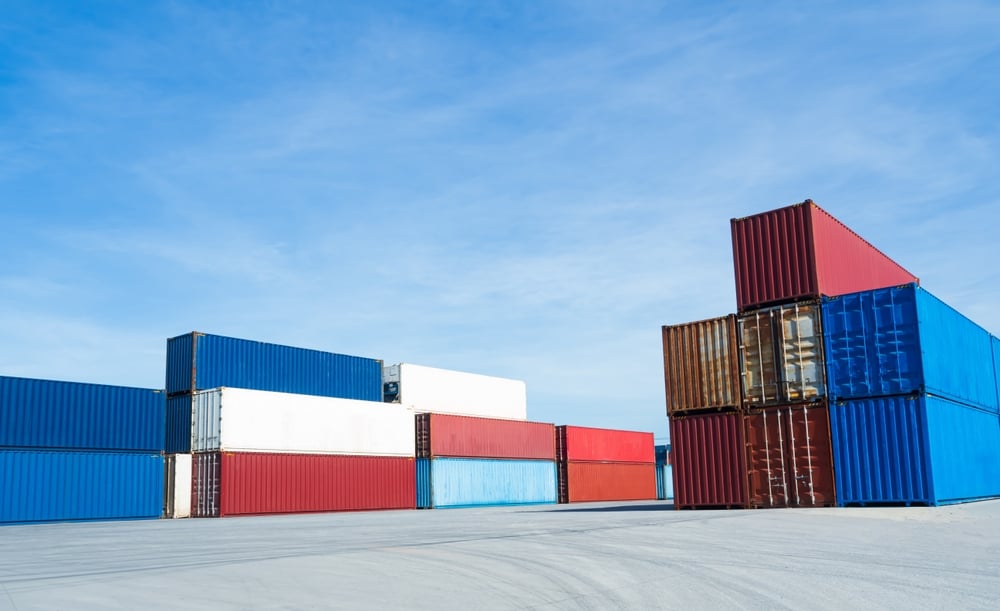
Container data helps align purchasing with warehouse capacity. If multiple shipments are moving toward one facility, arrival dates show if the building has enough room – this information guides schedules and prevents multiple large deliveries from causing congestion at the loading docks. Planning also influences decisions about equipment – Organizations receiving many shipments may decide if they need more storage units. As an example, entities looking to buy shipping container Vancouver options can include container availability in their broader strategy – those who buy used shipping container units can evaluate how those items meet their specific operational needs.
Connect Updates With Sales Data
Shipment information is more useful when combined with sales records. Planners compare arrival dates with recent sales speeds, seasonal trends and pending orders – this comparison shows if stock will arrive in time to meet demand or if more inventory is needed. Integrated data improves how teams prioritize items – Products that sell quickly require more attention than items that sell slowly. By linking container updates to demand, businesses focus on shipments that are most important for revenue and customer service.
Improve Communication
Updates should be available to teams in purchasing, inventory and customer service. Shared data ensures all departments have the same expectations regarding timing – this transparency makes decisions more consistent and reduces confusion when schedules change. Clear information is vital when a shipment contains goods for different locations. Staff use arrival data to decide where to send inventory after it is unloaded – this supports organized distribution and prevents moving goods between warehouses unnecessarily.
Conclusion
Container updates are more than tracking tools – They are a core part of inventory planning that helps monitor timing, adjust orders, prepare space and manage delays. When organizations combine the updates with sales data, they see their supply clearly and make better choices. Consistent use of this information leads to better stock control and more reliable operations.