
The ROI of Restaurant Tables: How Smart Seating Spend Pays Off for Growing Hospitality Brands

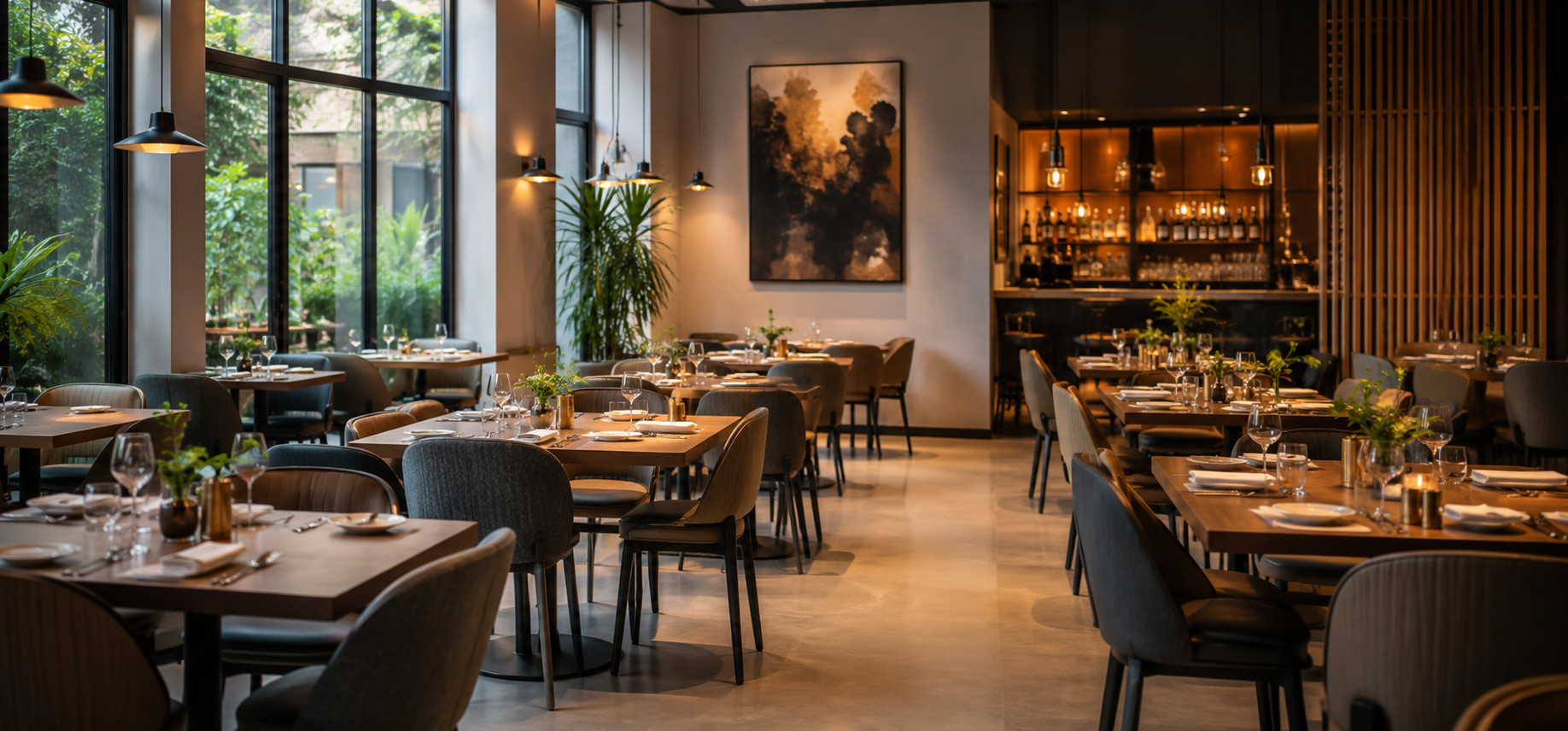
Every hospitality operator eventually reaches the same crossroads. Growth is coming, the floor plan needs work, and the question is whether to spend on furniture that reads as an expense or furniture that behaves like an asset. Owners who think about the second option tend to shop for restaurant tables the way a CFO reads a lease: by service life, replacement cycle, and what each square foot returns over five years rather than by the price on the tag.
That framing changes what a table is worth. A cheap top that warps after eighteen months looks like a bargain on day one and a liability by the second reorder. A commercial-grade top that survives a decade of cleaning chemicals, spilled drinks, and edge knocks quietly earns back its premium. Growing brands feel this the hardest, because every location multiplies the mistake or multiplies the win.
Why the Cheapest Table Rarely Wins
Poor price per unit number. It ignores the work of swapping out a broken top, the lost revenue of a two-top sitting empty, and the brand damage when an unsteady table finally arrives at the guest who was going to post about the dinner. The pricey one is not the table that costs 40 percent more but lasts 3 times longer. It is the frugal one, spread throughout the years that it is actually in service.
This is learned fastest by multi-location operators. A faulty spec choice that impacts 8 rooms is 8 difficulties and 8 reorders. It becomes a default that new management take for granted as a durable option.
The Math Behind a Table’s Service Life
Run the numbers the way a lease gets modeled. Take the purchase cost, divide by the realistic years of service, then add the cost of downtime and replacement labor. A laminate top rated for light home use might show a two-year life in a busy dining room. A commercial top with a phenolic or solid-wood build runs eight to twelve. On a per-year basis, the commercial top often costs less, even before you count the guest experience.
That per-year lens is how furniture spend earns a real return on investment rather than a recurring line item that quietly grows.
Turns Per Table, Not Tables Per Room
The money isn’t owned by the tables. It is made by turning them. Stable top of the right size allows waiters to right a two-top in seconds and visitors to settle without altering a rocking base. Little friction adds up. Take 90 seconds off a reset over 40 tables and a busy Friday gets genuine capacity without a single extra seat.
Size matters here, too. A coffee counter is 24 inches square. A 30-inch packs in a full service plate. It’s a furniture decision disguised as a revenue decision: matching the top size to the menu.
Materials That Survive the Back-of-House Reality
Kitchens and dining rooms are hard on surfaces. Sanitizer, grease cutters, and the occasional dropped tray all test a finish. The tops that hold up share a few traits worth speccing:
- Sealed edges that don’t drink up moisture where the top meets the base
- A surface rated for commercial cleaning agents, not just a damp cloth
- A base weight and footprint that resists tipping under a leaning guest
- Field-replaceable tops so a scratch doesn’t retire the whole unit
Get those four right and the reorder cycle stretches from years to nearly a decade.
Design That Photographs and Sells
Furniture does double duty now. It seats guests and it seats the brand inside every phone photo that leaves the room. A warm wood grain, a clean powder-coated base, a top that reads intentional rather than borrowed, these travel through social feeds and reviews long after the meal. That reach is marketing the operator already paid for.
Growing brands that treat tables as part of their visual language get compounding value. The room looks consistent from the first location to the tenth, and that consistency reads as competence to a guest deciding where to spend.
What Finance Teams Should Ask Before the Order
Before a purchase order clears, a few questions separate a smart spend from a costly habit. What’s the warranty, and does it cover commercial use. What’s the lead time on replacement tops. Can the base handle the traffic this room actually sees. Does the finish match what the brand shows online.
Those answers turn a furniture buy into a modeled decision. The National Restaurant Association’s own operator resources, gathered at industry association, keep pushing the same point: the margins in this business are thin enough that the durable choice usually is the profitable one.
Furniture as a Line on the Balance Sheet
Think about the spend how a landlord thinks of a building. A table is not a one-time expense you pay. It’s a little bit of capital that either appreciates in usefulness or depreciates into a pain. Operators who acquire for the ten year timeframe rarely regret it When operators buy for the invoice they run into the same table, nearly invariably, at the loading dock, when they are heading out.
Brands that scale smoothly tend to be those with this quiet discipline. They buy where the buy keeps working, they standardize what works, and they let the furniture pay its own way via years of consistent service. That’s the return most owners never see on a spreadsheet, until they compare their purchasing history to a competitor who bought cheap and paid double.







Comment