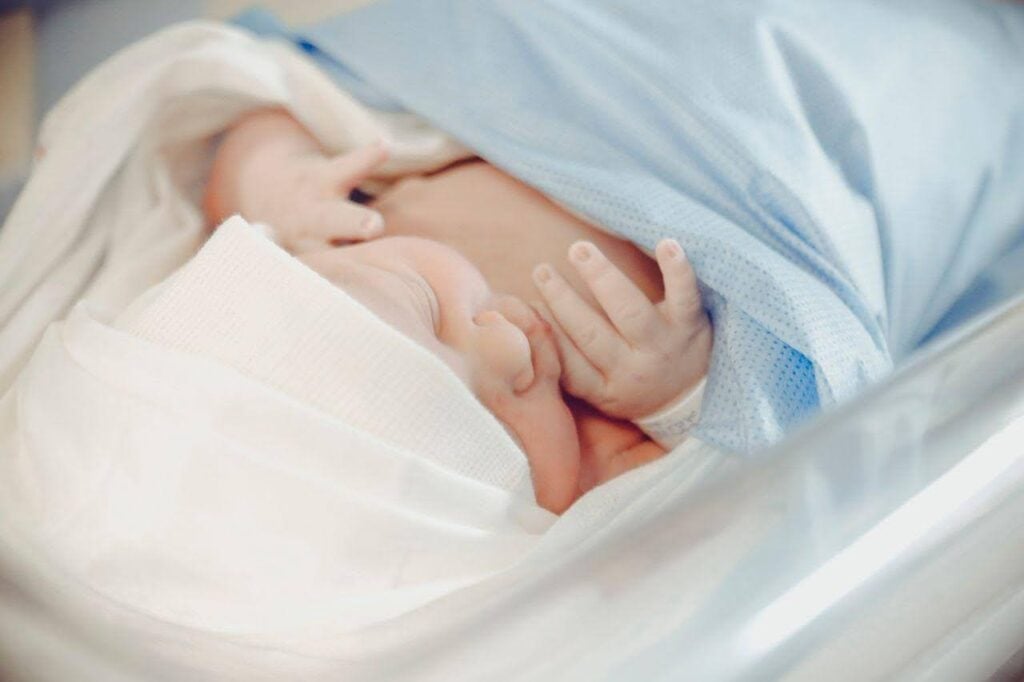
Wrongful birth claims occupy a unique and emotionally complex space within medical malpractice law. Unlike traditional birth injury cases, which typically address harm that occurred during labor and delivery, wrongful birth claims arise when a medical provider’s negligence deprives parents of the opportunity to make informed decisions about a pregnancy due to a missed or inaccurate diagnosis of a serious genetic or congenital condition. Understanding what these claims involve, how they differ from related legal theories, and what families can pursue is essential for anyone considering this difficult path.
What Is a Wrongful Birth Claim
A wrongful birth claim is brought by parents who allege that a healthcare provider’s negligence prevented them from receiving accurate information about a fetal abnormality or genetic condition during pregnancy. This typically involves failures such as misreading or mishandling genetic testing results, failing to recommend appropriate prenatal screening based on family history or risk factors, misinterpreting ultrasound findings that should have revealed a serious condition, or providing inaccurate genetic counseling.
The core of a wrongful birth claim is not that the medical provider caused the child’s condition, but that their negligence deprived the parents of the information they needed to make decisions about the pregnancy, including the option to terminate or to prepare in advance for a child with significant medical needs. This distinguishes wrongful birth claims from standard birth injury cases, which involve physical harm caused during the delivery process itself. For a broader understanding of how birth injuries are classified and what circumstances give rise to different types of claims, this Wikipedia overview of birth injury provides useful background on the medical and legal distinctions involved.
Wrongful Birth Versus Wrongful Life
These two legal theories are often confused, but they are distinct. A wrongful birth claim is brought by the parents and centers on their loss of the opportunity to make an informed reproductive decision. A wrongful life claim, by contrast, is theoretically brought on behalf of the child and alleges that the child would have been better off never being born given the severity of their condition. Many states do not recognize wrongful life claims at all, viewing them as legally and ethically problematic, while a smaller number of states permit wrongful birth claims under specific circumstances. Because state law varies significantly on this point, understanding what is legally viable in your jurisdiction is a critical first step.
Establishing a Wrongful Birth Claim
The Elements a Family Must Prove
To succeed in a wrongful birth claim, parents generally need to establish that the healthcare provider owed a duty of care, that the provider breached that duty through a negligent act such as a missed diagnosis or inadequate counseling, that the breach directly prevented the parents from making an informed decision about the pregnancy, and that the parents suffered damages as a result, typically in the form of the costs associated with raising a child with significant medical or developmental needs.
Each of these elements requires substantial evidence, and the breach of duty element in particular usually requires testimony from medical experts who can establish what a reasonably competent provider would have done under the same circumstances, and what information should have been communicated to the parents.
The Role of Genetic Counseling and Prenatal Testing
Many wrongful birth cases center on failures within the genetic counseling and prenatal screening process. This might include failing to offer testing for conditions associated with a family’s ethnic background or medical history, misinterpreting the results of amniocentesis or chorionic villus sampling, failing to refer a high-risk pregnancy to a maternal-fetal medicine specialist, or providing counseling that misrepresented the actual risk or severity of a detected condition.
Because these cases often hinge on highly technical medical and genetic information, expert testimony plays an outsized role in establishing whether a deviation from the standard of care occurred.
Damages Available in Wrongful Birth Cases
What Families Can Recover
In jurisdictions that recognize wrongful birth claims, the damages available typically focus on the financial impact of raising a child with the condition that went undiagnosed. This commonly includes the extraordinary medical expenses associated with the child’s condition beyond what would be expected for a typical pregnancy and childhood, costs of specialized care, therapy, and equipment, lost income for a parent who must reduce work hours or leave employment to provide care, and in some jurisdictions, compensation for the emotional distress parents experienced as a result of being deprived of the opportunity to make an informed decision.
Some states limit recoverable damages strictly to the additional costs associated with the child’s condition, while excluding general child-rearing expenses that would have existed regardless of the diagnosis. The specific limitations and standards vary considerably from state to state, making jurisdiction-specific legal guidance essential.
Variation Across State Law
Wrongful birth law is far from uniform across the United States. Some states explicitly authorize these claims through case law or statute, others have passed legislation specifically barring them, and many states have never directly addressed the question, leaving the legal landscape uncertain. This patchwork of laws means that whether a family even has a viable claim can depend significantly on where the alleged negligence occurred and where the case would be filed.
Why Specialized Legal Guidance Matters
The Complexity of These Cases
Wrongful birth claims are among the most legally and emotionally nuanced cases in medical malpractice law. They require attorneys who understand not only the general framework of medical malpractice litigation, but the specific and often unsettled legal terrain surrounding reproductive decision-making, genetic counseling standards, and damages calculations unique to these claims.
An attorney experienced in this area will retain qualified medical and genetic experts, build a case establishing exactly what information should have been provided and when, calculate damages that account for the long-term financial reality of caring for a child with significant needs, and navigate the procedural requirements specific to medical malpractice claims in your state.
Approaching These Cases With Sensitivity
Beyond the legal complexity, wrongful birth cases involve deeply personal and often painful subject matter. Families pursuing these claims are not seeking to diminish the value of their child’s life. They are seeking accountability for a missed diagnosis that deprived them of the chance to prepare, plan, or make the reproductive choice that was rightfully theirs to make. A compassionate attorney recognizes this distinction and approaches these cases with the sensitivity the subject matter demands, while still advocating firmly for the family’s legal and financial interests.
Families in New Jersey who believe a missed or inaccurate prenatal diagnosis affected their reproductive decision-making can consult a Newark wrongful birth lawyer to understand whether their circumstances support a viable claim under New Jersey law.
Final Thoughts
Wrongful birth cases sit at a difficult intersection of medicine, law, and deeply personal reproductive decisions. Families considering this path need to understand both the legal elements required to succeed and the significant variation in how different states treat these claims. With the right legal guidance, families can pursue accountability for a missed diagnosis while securing the resources needed to care for their child, all while navigating a legal process designed with the appropriate sensitivity for what is, fundamentally, a deeply personal loss.