
Which Australian Agencies Require a Certified Passport Translation?

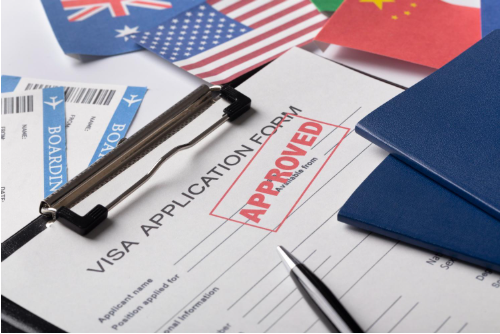
Applying for a visa, enrolling in university, converting an overseas driver’s licence, or completing a citizenship application often involves identity verification. Many people assume a translated passport is only needed for immigration purposes. The reality is much broader. Across multiple government and institutional processes, a naati certified visa translation in Australia helps authorities verify identity accurately and process applications without unnecessary delays. Knowing which agencies require certified passport translations can save significant time and prevent avoidable setbacks.
Why Do Australian Agencies Require Certified Passport Translations?
Australian agencies need accurate information before they can assess an application. If a passport is written in a language other than English, officers cannot rely on assumptions or unofficial translations.
A certified translation helps agencies verify:
- Full legal name
- Date of birth
- Nationality
- Passport number
- Place of issue
- Expiry date
These details often connect with other supporting documents, including birth certificates, visas, educational records, and employment history. A naati certified visa translation in Australia make the process very easy.
A small inconsistency can trigger additional document requests and slow the entire process.
Which Government Agencies Commonly Request Certified Passport Translations?
Several Australian agencies may request a certified passport translation when documents are not in English.
Common examples include:
- Department of Home Affairs
- Australian citizenship processing authorities
- State and Territory driver licensing departments
- Professional registration bodies
- Educational institutions
- Government employment departments
Each organisation uses identity documents differently, though they all require accurate information before making decisions.
When Does the Department of Home Affairs Require Passport Translations?
The Department of Home Affairs is one of the most common agencies requesting translated identity documents.
Passport translations may be required for:
- Visa applications
- Partner visa applications
- Skilled migration applications
- Parent visa applications
- Citizenship applications
- Identity verification requests
Immigration officers review multiple documents during assessment. If a passport contains information in another language, a certified translation helps officers confirm that all details match the rest of the application.
Many visa delays occur because applicants submit documents that cannot be immediately verified.
Do Australian Universities Require Certified Passport Translations?
Yes, many universities and education providers request certified translations when reviewing international applications.
Institutions often use passports to verify:
- Student identity
- Legal name spelling
- Nationality
- Date of birth
- Enrolment records
A translated passport helps admissions teams compare information across application forms, academic transcripts, and visa documents.
This becomes especially important when names appear differently across multiple records.
Can Driver Licensing Authorities Request Passport Translations?
Many people overlook this requirement until they begin converting an overseas licence.
State licensing authorities may request certified translations when identity documents are not written in English.
The translation helps officials confirm:
- Identity details
- Date of birth
- Passport validity
- Personal information consistency
Different states may have slightly different documentation requirements. Checking requirements before attending an appointment often prevents unnecessary return visits.
Do Professional Registration Bodies Require Passport Translations?
Many regulated professions require extensive identity verification.
Examples include:
- Healthcare professionals
- Engineers
- Accountants
- Teachers
- Legal professionals
Professional registration bodies often assess qualifications, work experience, and identity documents simultaneously.
When a passport is issued in another language, a certified translation allows assessors to complete the review process more efficiently.
What Problems Can Occur Without a Certified Passport Translation?
This is where many applicants run into trouble.
People often submit a standard translation or rely on a translation completed overseas without checking Australian requirements.
Common issues include:
- Application processing delays
- Requests for additional documents
- Identity verification problems
- Citizenship application interruptions
- Professional registration delays
- Visa assessment hold-ups
We regularly see applicants spend weeks resolving issues that could have been avoided with the correct translation from the beginning.
The delay often costs far more than the translation itself.
How Can You Tell If a Passport Translation Meets Australian Requirements?
Not all translations are treated equally.
A compliant translation should typically include:
- Translation completed by a NAATI-certified translator
- Translator’s credentials
- Certification statement
- Translator’s signature
- Translation date
- Complete and accurate document content
Authorities need confidence that the translated document accurately reflects the original passport.
Incomplete or uncertified translations often create unnecessary complications.
Why Do Certified Passport Translations Matter More Than Ever?
Australian agencies continue to strengthen identity verification processes.
Digital systems now compare information across multiple records and supporting documents. When names, dates, or personal details cannot be verified, manual review often becomes necessary.
Manual reviews take longer and increase the likelihood of additional document requests.
This is one reason why certified translations have become increasingly important across immigration, education, licensing, and employment processes.
Why Do Applicants Choose Express Translations?
Applicants often need more than a simple translation. They need a document that meets Australian requirements from the start.
Express Translations provides:
- NAATI-certified translators
- Fast turnaround options
- Government-ready document translations
- Support for immigration applications
- Certified passport translation services
- Experience with Australian compliance requirements
This helps applicants avoid common mistakes that create delays and additional costs.
Many people searching for passport translation in Australia are applying for visas, citizenship, professional registration, or educational programs. Choosing a certified translation service helps ensure their documents meet the requirements expected by Australian authorities before submission.
Conclusion
Certified passport translations play an important role across many Australian agencies. From immigration and citizenship applications to university enrolments and professional registrations, authorities rely on accurate translations to verify identity and assess eligibility.
Understanding which agencies require certified translations allows applicants to prepare correctly and avoid unnecessary delays. Obtaining a NAATI-certified passport translation before submitting an application is one of the simplest ways to keep the process moving smoothly and reduce the risk of additional document requests.







Comment