Many hobbies revolve around collecting things people love. Whether it’s comic books, sports memorabilia, action figures, vintage toys, or trading cards, collectors are often willing to spend significant time and money searching for rare finds. For some, the appeal lies in nostalgia. For others, it is the excitement of completing a collection or owning something unique. What begins as a simple pastime, however, can quickly become a marketplace where items change hands for hundreds or even thousands of dollars.
As collectibles increase in value, the risks increase as well. Questions about authenticity, ownership, payment disputes, and misrepresentation can arise whenever people buy, sell, or trade sought-after items. A deal that seems straightforward can turn into a frustrating dispute if one party receives a counterfeit item, fails to disclose damage, or backs out of an agreement. While most transactions are honest, collectors should understand that valuable collectibles can attract scams and misunderstandings just like any other market.
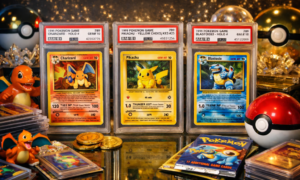
Pokémon cards are a perfect example. Collecting Pokémon cards is fun, nostalgic, and a little bit dangerous for your wallet in the best possible way. Still, once money changes hands, the hobby stops being just about shiny cardboard and starts brushing up against everyday legal issues. If you buy, sell, or trade cards, a few smart habits can help you avoid scams, arguments, and regret. You don’t need to be a lawyer to protect yourself. You just need to know what to watch for before you make your next deal.
Know local card rules
In most places, buying trading cards is simple, but local consumer rules still apply. If a shop advertises sealed products, the items should match that description. If a seller says a card is near mint, you should expect the condition to be close to that standard. Words in listings aren’t just decoration. They help set expectations.
If you’re younger, it’s also smart to have a parent involved for expensive purchases. Some stores may have age-related policy rules for returns, trade-ins, or payment methods. It’s not glamorous, but reading the fine print can save you from a Team Rocket-sized headache later.
Look up buy Pokémon cards near me to locate reputable local card shops, compare prices, and find trusted sellers in your area.
Spot honest sellers
A trustworthy seller usually acts trustworthy in boring little ways. They answer questions clearly. They show real photos instead of blurry mystery blobs. They explain the condition without trying to oversell every tiny scratch as “character.” That kind of honesty is a green flag.
If you’re buying from a local shop, look for posted store rules. A solid seller should tell you whether all sales are final, whether sealed products can be returned, and how trade-in values work. If you’re buying from an individual, ask for close-up photos and a written price agreement before meeting.
Receipts also matter. They prove what you bought, when you bought it, and from whom. If something turns out to be misrepresented, that record can help settle the issue fast. Honest sellers usually don’t get weird when you ask basic questions. If someone dodges every detail, it may be time to evolve your plan and walk away.
Understand fake card risks
Fake Pokémon cards are a real problem, and not just because they look goofy once you know what to spot. Counterfeit cards can waste your money and create trouble if you later try to resell or trade them as real. Even by accident, passing along fakes can lead to disputes.
You don’t need lab equipment to notice warning signs. Watch for colors that look off, weird fonts, spelling mistakes, flimsy cardstock, or packaging that feels cheap. If a rare card is priced way below market value, that’s not always a magical deal. Sometimes it’s just bad news in a foil wrapper.
From a legal angle, sellers should not market fake cards as authentic. That can become a misrepresentation issue. For buyers, the safest move is to ask direct questions and keep screenshots of the listing. If the answer is vague or the story keeps changing, trust your gut. Pikachu would want better for you.
Keep proof of purchase
Good records make hobby problems much easier to solve. You don’t need a giant spreadsheet worthy of a villain lair, but you should keep receipts, order emails, screenshots, and photos of the cards you bought. This is especially useful for pricier singles and sealed boxes.
Take a quick picture of the card’s front and back when you receive it. If you bought a sealed product, snap the packaging too. That way, if there’s a condition dispute or authenticity issue later, you have something more helpful than “I swear it looked different yesterday.”
This habit also helps if you sell cards later. Buyers like confidence. If you can show where the item came from and what condition it was in when you got it, you seem more reliable. In a disagreement, documentation often matters more than memory. Memory is great for Pokémon trivia. It’s less great for proving edge wear.
Trade cards the safe way
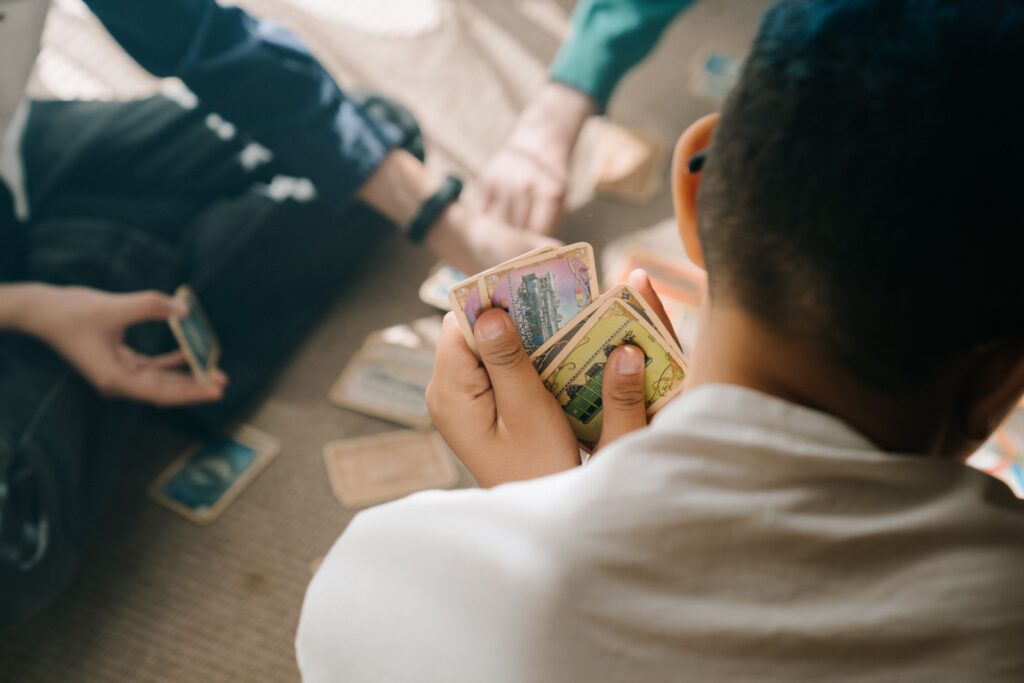
Trading can be one of the best parts of the hobby, but only if both sides are clear about what’s happening. Before you meet, agree on the exact cards involved, their condition, and whether any cash is part of the deal. Small misunderstandings can turn into big arguments fast.
For in-person trades, meet in a public place. A card shop, café, or busy community spot is usually smarter than someone’s driveway at dusk. If the trade is valuable, bring a friend or let someone know where you’re going. Safety first, Charizard later.
It also helps to inspect cards on the spot. Don’t rush because the other person seems impatient. Check corners, surface, and centering if value matters. Once both sides leave, it gets much harder to fix a problem. A calm five-minute review now can save you from a week of awkward messages and a trade that feels more like a trap card.
Know when value matters
Not every card needs a full detective routine, but higher-value cards deserve extra care. If a card is rare, graded, or expensive enough to make you nervous, slow down. Ask more questions. Compare prices. Make sure the condition and authenticity match the asking price.
For valuable cards, grading can affect price in a huge way. A tiny crease or surface mark may change what a card is worth. That’s why expensive deals should come with better photos, stronger documentation, and less pressure. If someone says, “You must decide right now,” that’s usually a bad sign.
There can also be tax or insurance issues once your collection becomes valuable. If you sell regularly for profit, local tax rules may apply. If your collection grows large, you may want to list it on your home insurance or ask about extra coverage. It sounds unexciting, sure. But when cardboard starts acting like an investment, treating it seriously is just smart play.