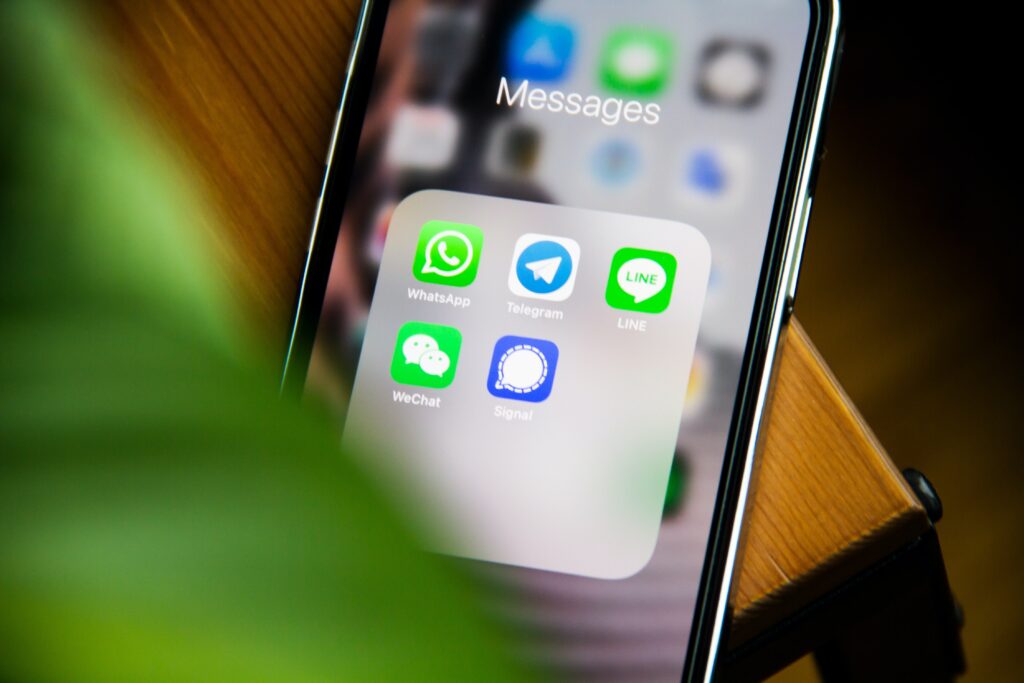
SMS Marketing, especially automated SMS Marketing, is one of the most underrated marketing tools. It can deliver personalized marketing messages to a target market for a fraction of the price of other platforms.
However, the one issue that many people have with automated SMS platforms is that they are either overly complicated on the user interface level or don’t incorporate high-quality skip tracing and automation features.
Enter Smarter Contact – An SMS marketing platform that just gets it. They’ve done their homework when it comes to competition. They’ve created a very impressive platform by addressing the pain points in critical areas and actively improving the customer experience where it counts.
Introduction To Smarter Contact
Smarter Contact is a subscription-based SMS marketing platform. It facilitates the creation, automation, and sending of marketing SMS’s and includes a skip-tracing function and everything you would expect from CRM integration.
Smarter Contact certainly doesn’t have a monopoly on SMS marketing, and there are a few providers offer similar services.
However, the most noticeable difference is how Smarter Contact makes the process so much easier to understand and use.
And once you get to grips with this product, the most crucial difference is revealed – It just works better.
Introduction To SMS Marketing
As mentioned, SMS marketing is powerful and highly effective. Messages are sent directly to users’ mobiles via SMS, and unlike intrusive phone calls or generic emails, people don’t only read them; they actively engage with them.
Comparing SMS marketing to the competition, you soon see why it’s such a powerful platform. Emails are a dime a dozen – Everyone sends them, and we all receive dozens a day. In fact, stats show that over 80% of people don’t even open campaign and marketing emails.
Call centers and phone calls are over, or at least, they should be over. Nobody wants to be called anymore, and the companies still marketing this way have not seen the statistics on how much most of the general public hates it.
Automated SMS marketing is at the core of what Smarter Contact offers, and this is an even more efficient way to harness the full power of SMS marketing. With automated SMS marketing, targeted and campaign-specific messages can be loaded and scheduled for sending. In addition, replies and interactions are also facilitated.
Benefits of Automated SMS Marketing
Save time without sacrificing effectiveness
Automated SMS marketing allows businesses to automate all marketing communication and save time to perform other urgent marketing functions. Moreover, they can do so without sacrificing the reach and effectiveness of the communication too.
Analytics and improvement
Automated SMS marketing allows you to analyze your efforts and fine-tune them to improve when needed. You can check the content, the target market, the time of sending, and a host of other variables to ensure you’re getting maximum effectiveness.
Instant communication
SMS marketing is instant, and with a platform like Smarter Contact, you can respond and communicate with customers directly and instantly.
Smarter Contact Features
Smarter Contact has some incredible features. Let’s take a look.
Automated Messages
Powerful automated SMS marketing features are the name of the game here. You are in complete control of your marketing messaging – From designing the campaign message to scheduling the perfect sending time and user groups.
There is a massive range of message templates and auto-response options, which makes a big difference when sending large campaigns with similar content.
Lead tracking also allows monitoring all conversations and the ability to group and filter based on any anomalies and variables.
Skip Tracing
Skip tracing is the process of retrieving the most relevant and up-to-date contact details of potential customers. Skip tracing uses powerful databases and servers to find people’s addresses, numbers, and contact details.
Smarter Contact has spared no expense with their skip tracing feature – It is amongst the most powerful and accurate available, making it one of their most outstanding features.
The result is highly accurate customer and potential customer information with contact details that are the most up-to-date and accurate – More messages going directly to the right people.
CRM Integration
CRM systems integration is super-simple with Smarter Contact’s API capabilities. Full integration with Podio and other Zapier-integrated software is an absolute breeze.
Your data remains your data, and you can download, export, and do whatever you need to in any format you choose.
Reporting
The reporting function is incredible, too – You can see everything you need to see from past and present campaigns, allowing you to streamline and perfect your messaging, target market, or campaign timing.
You can filter by any campaign element and will be able to see the following.
- Campaign runs
- SMS count
- Delivery rate
- Average response time
- SMS response rate
- Full analytics about any user-defined contact category
How Smarter Contact Is Different
Smarter Contact is not alone in their offerings, but critical differences give them the edge.
User-Friendly Interface
Smarter Contact’s highly effective but super user-friendly interface is head and shoulders above the competition. It is intuitive and facilitates targeted campaigns and feedback in simple steps.
Highest Message Delivery Rate
The most important feature of an SMS marketing platform is the delivery rate – You’re paying for each message, and the more hits you get, the better value for money you receive.
Smarter Contact leverages the most accurate and precise data available and has the best delivery rate of all similar services.
Value For Money
Smarter Contact offers excellent value for what you get, which is pretty much the best in the sector. They also have a three-tier pricing structure with no hidden costs.
1 – Starter
- Basic features
- 3000 messages per month @ $0.03 per message
- $99 per month
2 – Pro
- More advanced features
- 7500 messages @ $0.025 per message
- $199 per month
3 – Elite
- All the features
- Unlimited messaging @ $0.02 per message
- $299 per month
Smarter Contact is an excellent option for marketers looking for powerful lead-generation, effortless, and accurate marketing messaging. They also offer a free 7-Day trial, so check it out for yourself.