
Payments Systems & Infrastructure Explained: What It Means for Consumers and Businesses in the USA

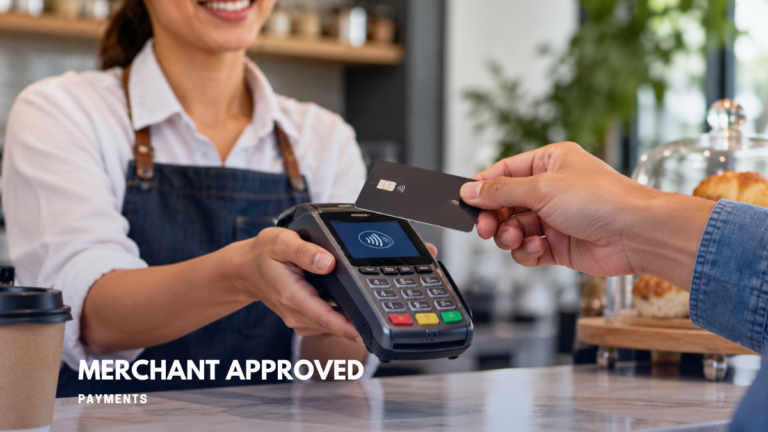
Tap a card for coffee and the payment feels like one motion, but behind that half-second sit four or five separate networks handing the money off like a relay team. Payments systems and infrastructure are the rails, switches, and settlement engines that move money between people, businesses, and banks. In the United States they now clear more than $2 trillion every single day across wire, ACH, check, and instant rails, according to The Clearing House. For consumers and businesses, understanding that hidden machinery is the difference between guessing and knowing where money goes and when it is truly gone.
The three jobs every payment performs
A payment has three jobs: authorize, clear, and settle. Authorization checks that the money or credit exists. Clearing matches the records between the payer’s and payee’s banks. Settlement is the moment the funds actually move and become final. Most consumer confusion comes from treating these as one step, when in fact a card swipe can authorize in a second but settle a day or two later.
Sitting under those jobs are the networks. Card networks handle most retail purchases. The automated clearing house, or ACH, moves payroll and bills in scheduled batches. Wire systems move large, urgent sums. And a newer layer of instant rails settles in seconds, any time of day. Each network has its own rulebook, fee structure, and speed, which is why a single business will route different payments down different rails.
For a closer view of how companies wire these rails into their accounting and treasury, this guide to ERP-centric payments and treasury shows where the back office meets the network and why the connection matters for cash flow.
What it means for consumers
For an individual, infrastructure quietly decides three things that matter: speed, cost, and safety. A debit tap and an instant bank transfer can look identical on a phone screen, yet one settles in days and the other in seconds. Knowing which rail a payment uses tells a consumer when the money is final and, crucially, irreversible.
Safety also lives in the rails. Card networks carry chargeback rights, so a disputed or fraudulent purchase can be reversed. Instant bank rails usually do not, which makes them fast but unforgiving. That single structural difference is why scammers work so hard to push victims toward instant transfers, a pattern documented in this report on rising online fraud.
Mobile-first markets show how infrastructure reshapes habits. In Spain, the bank-backed Bizum system turned instant account-to-account payments into a default for online services, as this look at how Bizum reshaped payments describes. It is a useful preview of where US instant rails are heading as consumers grow comfortable paying directly from a bank account.
What it means for businesses
For a business, payment infrastructure is a profit-and-loss line, not a back-office afterthought. Card acceptance costs interchange and processing fees on every sale. ACH is cheap but slow and reversible for days. Instant rails cost more per transaction but free up cash immediately, which matters enormously for firms managing tight working capital.
The strategic shift is that businesses can now choose rails by use case rather than defaulting to one. Payroll might run on ACH, supplier payments on instant rails, and customer refunds back to the original card. More than 340,000 businesses already tap instant rails each month through their banks, per The Clearing House’s Q2 2025 network data, which shows that rail selection has become a normal, deliberate treasury decision.
The table below maps the main US rails to the jobs they do best.
Matching the rail to the job
| Rail | Typical use | Speed | Reversible? |
|---|---|---|---|
| Card networks | Retail purchases | Authorize instant, settle 1-2 days | Yes, via chargeback |
| ACH | Payroll, recurring bills | 1-2 business days | Yes, for a window |
| Wire | Large, urgent transfers | Same day | No |
| Instant rails (RTP, FedNow) | A2A, payouts, B2B | Seconds, 24/7 | No |
Source: The Clearing House network data, 2025.
The pattern is clear once it is laid out: speed and finality move together, and so do reversibility and delay. There is no single best rail, only the right rail for the risk a payment carries.
Where the infrastructure is heading
Two forces are reshaping the plumbing. The first is the move to instant settlement, led by the RTP network and the Federal Reserve’s FedNow service. The second is adoption of the ISO 20022 messaging standard, which lets payments carry rich structured data so an invoice number or tax reference travels alongside the money.
Together these upgrades turn payment rails from dumb pipes into data-rich channels. For consumers that means faster, more transparent payments with clearer records. For businesses it means reconciliation that can finally be automated from end to end, cutting the manual matching that still eats finance-team hours.
Common myths about payment rails
The first myth is that faster always means better. Instant rails are final, which is excellent for a payout but dangerous for a payment a consumer might need to dispute. Speed and protection pull in opposite directions, and a well-run business picks the trade-off deliberately rather than chasing speed for its own sake.
The second myth is that card fees are pure waste. Interchange funds the fraud protection, rewards, and dispute rights that make cards attractive to customers, which is part of why cards remain the default for retail even as cheaper rails appear. The cost buys something real, and dropping it means dropping those features too.
The third myth is that one rail will win. The more likely future is a portfolio, where ACH, cards, wires, and instant rails coexist and software quietly routes each payment to the cheapest rail that meets its risk and speed needs. The winners will be the platforms that make that routing invisible to the people sending and receiving money.
The plumbing analogy holds in one important way: nobody thinks about it until it leaks. As instant rails and richer data spread across the US system, the businesses that learn which pipe to use for which job will quietly pay less and move faster than those that treat every payment the same.





Comment