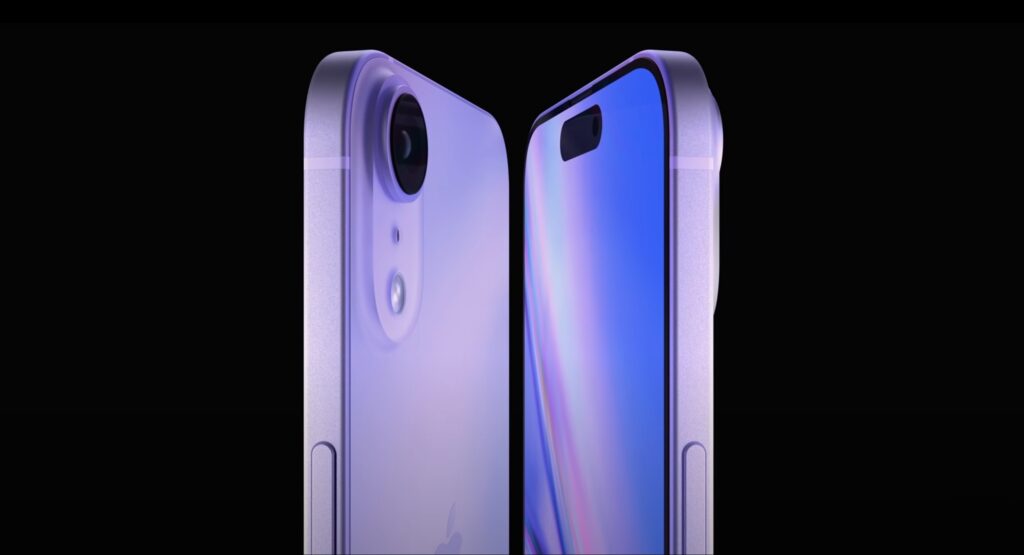
As Apple continues to innovate, rumors surrounding the iPhone 17 are already sparking excitement among tech enthusiasts. With whispers about cutting-edge design changes, potential pricing, and the introduction of a revolutionary iPhone 17 Air, fans worldwide are eagerly anticipating what Apple has in store.
Let’s delve into the latest leaks and speculations about the iPhone 17 and what it might bring to the table.
iPhone 17 Design Rumors
Apple has always been a trendsetter in smartphone design, and the iPhone 17 is expected to uphold this legacy. Based on leaks and insider reports, here’s what we might see:
1. Portless Design
One of the boldest iPhone 17 design rumors suggests a complete move towards portless functionality. Building on the success of MagSafe technology and wireless data transfer, Apple could eliminate the need for physical charging or data ports.
2. Under-Display Cameras
The notch might finally become a thing of the past. Speculation hints at under-display Face ID sensors and a front-facing camera, providing an uninterrupted full-screen experience.
3. New Materials and Colors
Apple could introduce liquid metal or titanium frames, offering greater durability while maintaining a sleek design. Alongside, new colors like Midnight Blue and Rose Gold could make their debut.
4. Sustainable Design
In line with Apple’s commitment to sustainability, the iPhone 17 might feature more recycled materials without compromising on quality and aesthetics.
5. Larger Display with ProMotion+
Rumors suggest that the iPhone 17 will come with a 6.9-inch ProMotion+ display, boasting an adaptive refresh rate of up to 120Hz for smoother scrolling, gaming, and video playback.
iPhone 17 Prices: What to Expect?
With the iPhone series known for its premium pricing, the iPhone 17 is expected to follow suit. Early estimates suggest the following price range:
- iPhone 17 Base Model: Starting at $1,099.
- iPhone 17 Pro: Around $1,299.
- iPhone 17 Pro Max: $1,499 or higher.
- iPhone 17 Air (rumored): Price range between $899 and $999, positioning it as a mid-range option.
Factors such as advanced features, manufacturing costs, and inflation could influence these prices. However, Apple may also offer competitive trade-in options to make upgrading more accessible.
iPhone 17 Air: A Game-Changer?
The rumored iPhone 17 Air could be Apple’s attempt to redefine the mid-tier smartphone market. Positioned as a lightweight, performance-driven device, it is said to incorporate premium features while maintaining affordability.
Expected Features of the iPhone 17 Air:
- Slim and Lightweight Build
Living up to its name, the iPhone 17 Air may boast a slimmer profile and lighter frame, ideal for users who prefer compact devices.
- Efficient Processor
The Air is expected to feature a scaled-down version of the A17 Bionic chip, delivering impressive performance while optimizing power consumption.
- Compact Display with Pro Features
Rumors hint at a 6.1-inch OLED screen with ProMotion technology, ensuring a vibrant and smooth viewing experience.
- Dual-Camera System
While the iPhone 17 Air may not have the triple-camera setup of the Pro models, a dual-camera system with AI-powered photography enhancements is likely.
- Competitive Pricing
With a rumored starting price under $1,000, the iPhone 17 Air could attract buyers looking for a premium experience without the Pro price tag.
Other Anticipated Features Across the iPhone 17 Lineup
1. Upgraded Battery Life
Expect improvements in battery capacity and charging speeds, allowing all-day usage even with power-intensive apps.
2. 5G and Beyond
With the rollout of 6G technology on the horizon, the iPhone 17 may include advanced connectivity options for faster and more reliable internet speeds.
3. Enhanced AI and Machine Learning
The A17 Bionic chip is rumored to have enhanced AI capabilities, optimizing tasks like photo editing, voice recognition, and real-time language translation.
4. iOS 18
The iPhone 17 will likely debut with iOS 18, introducing features such as smarter Siri, deeper app customization, and enhanced privacy controls.
Should You Wait for the iPhone 17?
If you’re considering an upgrade, the iPhone 17 might be worth the wait. With its rumored groundbreaking design, innovative features, and multiple model options (including the iPhone 17 Air), it promises to set a new benchmark for smartphones.
However, it’s essential to weigh your current device’s condition and needs before deciding. If you already own a recent iPhone model, the upgrades might feel incremental unless you’re drawn to specific features like the portless design or under-display cameras.
Final Thoughts
The iPhone 17 is shaping up to be another milestone in Apple’s journey of innovation. From revolutionary design changes to the introduction of the iPhone 17 Air, the lineup promises to cater to diverse user preferences.
As we await official announcements, the excitement and speculation surrounding the iPhone 17 serve as a testament to Apple’s ability to keep its audience hooked. Stay tuned for updates as the tech giant unveils what could be its most impressive offering yet.