
The Cost Of Late Payments & How To Prevent Them In Your Business

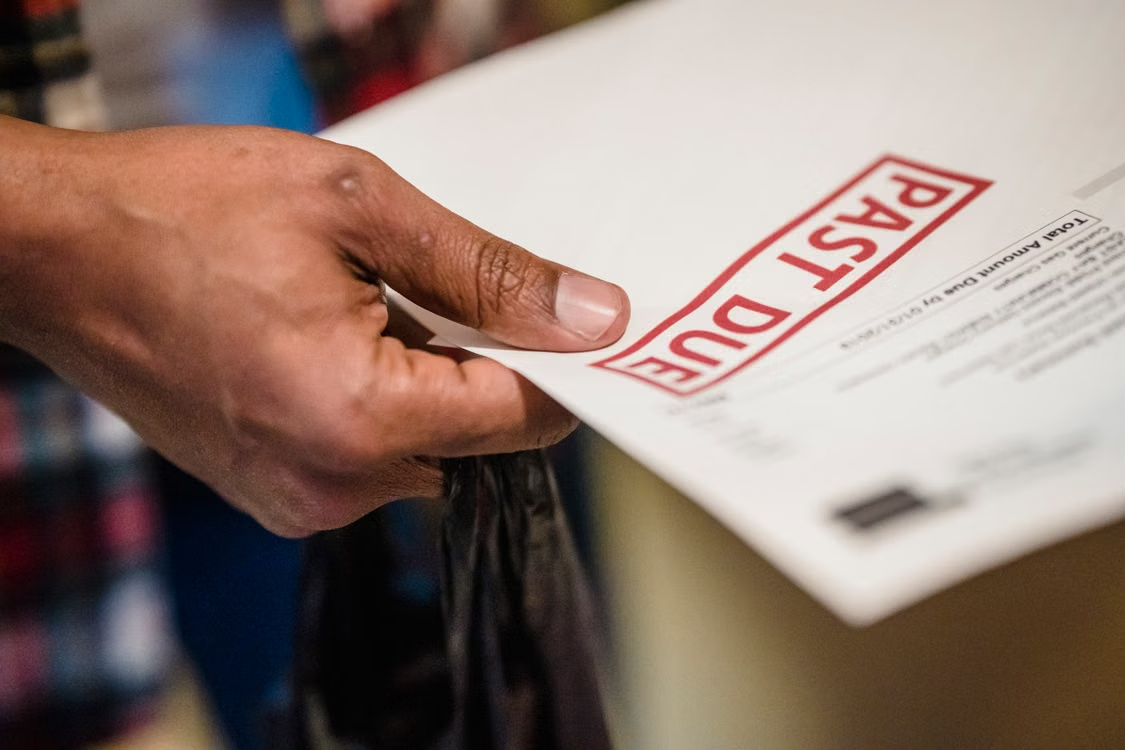
Photo Source: Pexels
What is a late payment? It’s when your business has already provided a service or product to a customer, and they have not yet paid for it. This can happen when you send out invoices to clients, and they ignore them for many weeks or months before eventually paying you. While it may seem like this isn’t an issue – assuming you do get the money – late payments can have a drastic impact on how your business operates.
Why? Because a late payment restricts your cash flow. You’ve technically performed whatever it is you’ve been asked to perform (which already costs money), but you’re not seeing the reward for it. As a result, less money comes into your business, making it harder for you to cope with the usual operating costs. You rely on consistent cash flow so you can pay suppliers, handle bills, and avoid needing to borrow money to keep your business afloat.
So, while a customer may argue that it doesn’t matter when you get the money, as long as you do, that’s simply not the case. Late payments can put your company in more debt and increase the financial strain on your operations, so here’s how you can prevent them and get paid on time, every time.
Establish Clear Payment Terms Prior To Work Beginning
Setting out payment expectations at the start of a collaboration, before any work gets agreed upon, can help to prevent any misunderstanding or business disputes. Having clearly laid out expectations for both parties gives customers and the business alike an agreed cost and deadline for any and all payments.
Businesses should make it clear what time frame payments must be paid in full, for example, within 7,14 or 30 days. It should also be decided beforehand when that payment period should start and finish and whether it needs to be paid in intervals or as a one-off. Include these payment terms in writing as a contract, purchase order, invoice or agreement, as it can help with any disputes later down the line.
When needed, explain the consequence to the customer if there happen to be any late payments. Penalties could include late charges, interest or any recovery costs to cover any costs to your business for the late payment. Any form of payment should be agreed well in advance before a business commits any time or resources to a customer, rather than starting work whilst negotiating or, even worse, discussing payments when the invoice is overdue.
Automate Payment Reminders
For many businesses, a late payment could be equal parts the business and the client’s fault. Yes, the client should be on top of things, but they also may be busy, or your immediate invoice email slips into their junk folder by mistake. It is highly possible that they’ve simply not seen your invoice or have forgotten about it. In which case it’s on you to send out reminders and chase up unpaid invoices.
When you already have multiple things on your plate, it’s easy for you to forget about this. The solution to this is simple: automate the process. As demonstrated by Credit Hound Cloud, you can find software that will automatically catalog your credit disputes and send reminders to the people who owe you money. It happens behind the scenes so you can focus on other aspects of your work, but the point is that you’re chasing these people up so they can’t forget to pay you. You’ll be surprised how well some timely reminders make people pay up.
Make The Payment Process As Easy As Possible
The fewer hurdles a customer has to go through in order to pay your business, the fewer administrative issues there are that can delay the process. People get put off sorting things out immediately if they see it as a long, arduous task. They put it to one side to be done at a later date. Instead of needing customers to navigate complex sites, fill in endless paperwork or have to contact a bunch of different departments in order to fulfill payment obligations, make the process as simple and stress-free as possible.
Offer them convenient payment methods that everyone has access to without needing to set up a new account with a service they never use. Depending on the type of business and the customer, options could include online payments, bank transfers or even secure payment links. You should also try to reduce the number of complicated steps it takes for the client to pay you, as well as having clear, precise instructions, like displaying bank details, providing accepted payment methods and listing a payment reference on every invoice. It all gives the customer fewer barriers to overcome and can significantly shorten the amount of time between sending an invoice and receiving payment.
Keep In Regular Contact With The Customer
You might not be able to fully control if and when a customer pays your business, but you can control your relationship with them. Having a strong, solid relationship with a client can play an important role in preventing late payments and good communication is key to that. Regular contact makes it easier to find out if there are any potential delays that could affect getting paid.
Good communication allows the customer to be more able to raise any queries, including any potential questions about an invoice. If they seem to be suggesting they might not be able to make a payment in time, discuss the issues well ahead of time rather than allowing the invoice to remain unpaid without any reasoning.
Positive customer relationships can mean payments are more likely to be paid on time. Having an open line of communication can uncover potential problems much earlier and allow your business to better manage the situation before a deadline passes.
Late payments can have a significant impact on businesses. It can affect cash flow, limit growth and make it difficult to afford essential expenses – putting significant, unnecessary pressure on the company. Not all late payments can be avoided, but by being proactive, setting clear payment terms, establishing a good line of communication and sending reminders, you can reduce this risk and the cost of late payments.





Comment