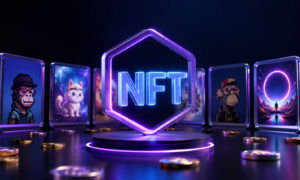
As global interest in blockchain-authenticated digital collectibles accelerates, Sweet has built the NFT solution for broad-scale distribution and market adoption.
Feb. 4, 2021, New York, New York, ZEXPRWIRE — Sweet, in partnership with Bitcoin.com, has announced the launch of a highly scalable nonfungible token platform for the broad distribution of digital collectibles and digital merchandise. Leveraging the Simple Ledger Protocol and the Bitcoin Cash network, blockchain digital collectibles provide consumer and entertainment brands with a previously unseen opportunity to drive new revenue, create one-of-a-kind consumer experiences, and increase consumer engagement to unprecedented levels.
Flexible Distribution
With Sweet’s solution, brands have the flexibility to bring digital merchandise to the market in an extraordinary number of ways, including for-purchase on existing e-commerce stores, bundled with physical products via QR codes, as social giveaways via web-based reservations, and as rewards for completing actions such as streaming a song on Spotify or Apple Music.
The platform uses the Bitcoin Cash and SLP standards for NFTs. According to Sweet Founder and CEO Tom Mizzone:
“SLP was an excellent fit for Sweet’s digital collectibles platform. We looked at several blockchain solutions and found Bitcoin Cash and SLP to be fast, scalable and highly cost-effective. We couldn’t be more excited to participate in the growing SLP ecosystem.”
As consumer and entertainment brands look for new solutions in the digital space, Sweet enables the distribution of one-of-a-kind, digital, tradable coins and cards that are custom-designed around the brand and then published on the blockchain for transparent ownership and authenticity.
“The future of rare, collectible merchandise is in the digital arena as evidenced by the growing interest in NFTs, and we are thrilled to be the ones giving brands and artists a new way to offer exclusive digital merchandise to their fans and customers,” said Mizzone.
A Feature-Packed NFT Wallet
The Sweet platform includes a mobile blockchain wallet for iOS and Android, boasting a beautifully engineered UI, where users get the full experience of excitement and community as they interact with others and trade their collectibles, jockeying to obtain rare items and complete sets. Ken Ellis, chief technology officer of Sweet, stated:
“We’ve made a significant investment in producing NFTs at scale. We can quickly create thousands of NFTs to support major product or music releases and events and deliver them immediately to a user’s SLP wallet. From there, users can trade their collectibles with other fans and users within the app.”
Ellis continued:
“Each NFT has a unique URI associated with it, the contents of which are signed as part of the creation process. We’ve made these URIs public to facilitate sharing, and when resolved by a browser, we provide a 3D rendering of the collectible along with information on the current owner.”
Built to Scale
Sweet’s solution, which is built on SLP, is driving innovation and broader adoption of NFTs.
Roger Ver, founder of Bitcoin.com, said:
“In the past, users were locked into a completely in-app experience or a single marketplace, but now, any Sweet digital collectible can be acquired through many channels and traded with anyone around the world, even if they aren’t a Sweet user themselves. This means true and authentic ownership for users, and it’s being made possible on Bitcoin Cash. We couldn’t be more excited about our strategic partnership with Sweet and what it means for the collectibles market.”
Sweet has strong traction in the entertainment and consumer brand communities, with over 600 artists and brands live on the platform and thousands of NFTs in the queue for worldwide fans and collectors.
For more information on Sweet, visit https://sweet.io.
Media Contact Details
Contact Name: Peter Keiser
Contact Role: EVP of Marketing, Sweet
Contact Number: (201)-775-9000
Contact Email: [email protected]
Sweet is the source of this content. This Press Release is for informational purposes only. The information does not constitute investment advice or an offer to invest.