Quality Engineering Lead at Commerical Bank on modernizing KYC and AML systems and strengthening regulatory resilience in U.S. banking.
Recent industry research highlights the growing complexity of compliance across sectors. According to PwC’s Global Compliance Survey 2025, 85% of executives report compliance requirements have become more complex in recent years, with financial services among the most affected industries. Financial institutions today face a difficult balance: accelerating digital transformation while operating under intensifying regulatory scrutiny. AI-driven monitoring, automated KYC processes, and real-time cross-border payment systems have increased both efficiency and systemic complexity. In highly regulated environments, even minor compliance platform defects can result in financial penalties, operational disruption, and reputational risk.
The challenge is no longer simply implementing new technology, but ensuring that mission-critical platforms operate with measurable reliability, audit readiness, and zero tolerance for critical defects. This shift has elevated quality engineering from a downstream testing activity to a strategic safeguard within modern financial architecture.
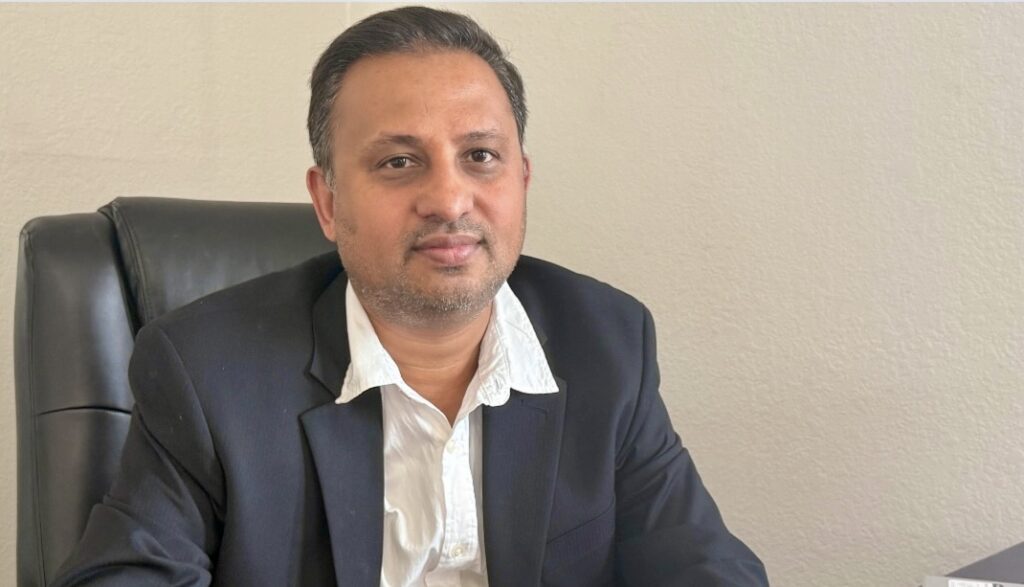
Jayanth Prasanna, Quality Engineering Lead at Commerical Bank, with over two decades of experience in financial technology and regulated systems, has led the modernization of mission-critical Know Your Customer (KYC) and Anti-Money Laundering (AML) platforms supporting U.S. commercial banking operations. His risk-based quality frameworks strengthened audit traceability, reduced production risk, and improved regulatory release efficiency in highly regulated environments. Prasanna is also a long-standing member of the Computer Society South Africa (CSSA), where he engages with global ICT standards and professional development in quality engineering.
In this interview, he shares actionable insights on how disciplined quality engineering helps financial institutions modernize without compromising regulatory alignment, stability, or trust.
Q: Jayanth, you’ve led modernization programs for mission-critical KYC, AML, sanctions screening, and cross-border payment platforms, where even minor defects can trigger financial penalties or operational disruption. Why has quality engineering evolved from a downstream testing activity into a strategic risk-control function in these environments?
M: In regulated financial systems, quality engineering cannot remain a downstream testing activity. Platforms supporting KYC, AML, sanctions screening, and cross-border payments operate under strict regulatory oversight, where even minor defects can lead to financial penalties or operational disruption. For this reason, I treat quality engineering as a risk-control function embedded from the earliest stages of requirements and architecture design.
A shift-left risk strategy is essential. By integrating compliance traceability and validation criteria early in the lifecycle, organizations prevent systemic exposure rather than reacting to defects late in release cycles. In large-scale banking programs I have led, structured automation frameworks that increased regression test coverage by up to 70%, enabling earlier detection of compliance-sensitive issues while improving release predictability.
Equally important is regulatory validation and measurable governance. Quality frameworks must generate audit-ready evidence and quantifiable risk indicators that support production-readiness decisions. When automation, risk modeling, and compliance alignment operate together, quality engineering becomes a foundation for operational resilience, protecting system stability and institutional trust in highly regulated environments.
Q: During the replacement of a legacy sanctions case management and screening workflow supporting OFAC and customer due diligence, any validation gap could have caused regulatory penalties or reporting errors. What makes compliance platforms like KYC and AML particularly high-risk from a systems perspective, and how did you mitigate those risks?
M: Compliance platforms operate under zero tolerance for error. During the migration of that legacy sanctions workflow, any validation gap could have exposed the institution to regulatory risk or reporting inconsistencies.
I led the end-to-end quality strategy for the transition, implementing structured data validation controls, risk-based regression coverage, and comprehensive audit traceability across screening cases. Testing priorities were aligned directly with regulatory mandates to ensure high-risk scenarios were fully validated before go-live.
The migration was completed without operational disruption, compliance findings, or reporting gaps. More importantly, it strengthened screening accuracy and improved the institution’s responsiveness to evolving regulatory requirements.
Q: As you mentioned earlier, your quality engineering frameworks significantly increased automated test coverage during the modernization of KYC and AML systems for U.S. commercial banking. What other measurable outcomes did these methods deliver?
M: The frameworks I implement combine risk-based testing, automation-first design, and production-readiness governance. These methods have accelerated regulatory release cycles while maintaining strict audit standards and reducing post-release incidents.
During sanctions platform migrations and annual SWIFT upgrades, structured compliance-focused validation ensured uninterrupted transaction processing and eliminated reporting gaps across international operations.
Across these initiatives, the measurable benefits included faster release readiness, improved production stability, reduced operational risk, and stronger regulatory alignment, outcomes that are critical in highly regulated financial environments.
Q: You’ve led global quality engineering programs for mission-critical financial platforms across North America, EMEA, and APAC. How do you maintain consistent quality, governance, and regulatory alignment across international teams?
M: Managing international teams begins with a unified quality governance framework: common testing standards, risk thresholds, documentation practices, and release controls.
I integrate structured reporting, cross-regional review cycles, and measurable stability metrics to ensure consistent decision-making across locations. Equally important is reinforcing that quality is a shared responsibility directly tied to regulatory compliance and operational stability.
This combination of standardized governance and collaborative leadership enables reliable delivery across complex, multinational programs, even under tight regulatory timelines.
Q: You’ve implemented large-scale quality engineering frameworks for KYC, AML, sanctions screening, and international payment platforms, improving production stability and strengthening regulatory validation across these systems. What key tools, processes, and methodologies do you use to ensure automation, risk validation, and production readiness for these mission-critical platforms?
M: I focus on structured quality engineering frameworks rather than relying on tools alone. My approach combines risk-based testing, automation-first design, and disciplined production-readiness governance.
From a tooling perspective, I implement enterprise automation and performance validation frameworks that simulate real-world production conditions, ensuring we validate both functionality and system stability under operational stress.
Process-wise, testing priorities align with regulatory risk, validation is integrated into CI/CD pipelines, and structured Go/No-Go release governance is enforced through measurable defect and stability metrics. This combination reduces regression effort, detects risk early, and ensures releases are resilient, compliant, and production-ready.
Q: As financial systems continue to evolve, what do you see as the future role of quality engineering in regulated environments?
M: Financial systems will continue to become more interconnected, automated, and AI-driven. As that complexity increases, the margin for error decreases. Quality engineering will play an even greater role in embedding risk control directly into system design rather than reacting to failures after deployment.
In my view, the future lies in integrating automation, regulatory validation, and production governance into a unified framework that continuously measures system resilience. Institutions that treat quality as a strategic discipline — not a support function — will be better positioned to adapt to evolving regulations and technological change.
Ultimately, innovation in financial services must be matched by stability. Sustainable transformation is only possible when compliance, operational reliability, and disciplined quality engineering move forward together.