Small apparel brands have more printing options than ever, but more choice does not automatically make production easier. A founder can sell custom T-shirts, sportswear, cotton tote bags, hoodies, home textile pieces, uniforms and limited-edition merchandise from the same online store, yet each product may need a different print workflow. The challenge is not only choosing a machine. The real challenge is choosing a production system that matches the material, order size, turnaround promise and customer expectation.
This is where many growing brands lose margin. They begin with one print method because it worked for an early product, then try to force that method onto every new order. A print that works beautifully on white cotton may not be the best choice for polyester jerseys. A workflow that is perfect for a one-off hoodie may be too slow for a home textile run. A method that looks cheap on paper may become expensive when pretreatment, reprints, labor and finishing are counted properly.
The smartest approach is to think like a production manager before thinking like a machine buyer. Start with the products you want to sell, the fabrics you expect to print, and the customers you want to serve. Then map each product category to the workflow that gives the best balance of quality, speed, cost and repeatability.
Why apparel printing workflow matters more than the machine alone
For small brands, the machine is only one part of the result. A print workflow includes artwork preparation, color management, pretreatment, printing, curing, pressing, quality control, packing and reordering. If one part of that chain is weak, the entire customer experience suffers. Buyers do not care whether the issue came from ink, film, heat, fabric, humidity or operator error. They judge the delivered product.
A reliable workflow protects three things: product quality, delivery confidence and profit margin. Quality matters because apparel is handled, washed and worn repeatedly. Delivery confidence matters because online buyers expect the product to arrive when promised. Profit margin matters because small production mistakes can quickly erase the profit on a short run.
This is why a brand should not ask only, “Which printer is best?” A better question is, “Which printing workflow is best for this product, this material and this order pattern?” That question leads to more useful decisions.
DTF printing for flexible apparel production
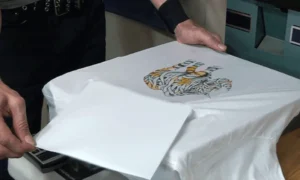
Direct-to-film printing has become popular because it gives small shops a flexible route into custom apparel. A DTF printer can support cotton, polyester, blends, light garments, dark garments, hoodies, tote bags and mixed short-run orders. Instead of printing directly onto each item, the design is printed onto film, powdered, cured and heat pressed onto the garment.
For a small apparel brand, the appeal is clear. DTF can handle many product types without requiring large minimums. It is useful for print-on-demand stores, creator merchandise, local business uniforms, school apparel, sports fanwear and event products. It also allows a shop to batch multiple customer designs onto gang sheets, which can improve productivity when orders are small but frequent.
However, DTF is not magic. The quality depends on white ink stability, film quality, powder control, curing temperature, heat press pressure and garment compatibility. A shop that treats DTF as a simple sticker process may struggle with cracking, rough hand feel or inconsistent wash performance. The stronger approach is to build a repeatable DTF standard: test garments, document press settings, inspect white ink coverage and keep approved samples for repeat customers.
DTG printing for cotton-focused brands
Direct-to-garment printing remains highly relevant for brands that focus on cotton T-shirts, premium retail blanks, detailed artwork and soft-hand prints. A DTG printer prints directly onto the garment, which can create a smooth finish when the artwork, pretreatment and fabric are aligned properly.
DTG is especially useful when the product range is centered on cotton apparel and when customers care about a soft retail feel. It can be a good fit for artwork-heavy brands, boutique merchandise, short-run fashion drops and custom T-shirts where the print should feel integrated with the garment rather than layered on top. It can also be efficient for one-off designs because there is no screen setup and no transfer inventory to manage.
The key requirement is process discipline. Cotton garments need consistent pretreatment, drying and curing. Dark garments require white ink underbase control. Humidity and fabric variation can affect output. If the shop does not document pretreatment amounts and cure settings, repeat orders can drift. A professional DTG workflow should include garment testing, color reference files, pretreatment logs and regular nozzle checks.
Direct-to-fabric printing for textile and home decor products
Apparel brands are not always limited to finished garments. Many expand into scarves, fabric panels, cushion covers, curtains, tote material, home textiles and decorative textile products. For these businesses, a direct to fabric printer can support a broader textile workflow than garment-only equipment.
Direct-to-fabric printing is useful when the printed material itself becomes the product or when fabric is printed before cutting and sewing. It can support sampling, small-batch textile production, home decor ranges and fabric-based promotional items. The value is not only the print, but the ability to develop repeatable textile designs without depending on large conventional textile minimums.
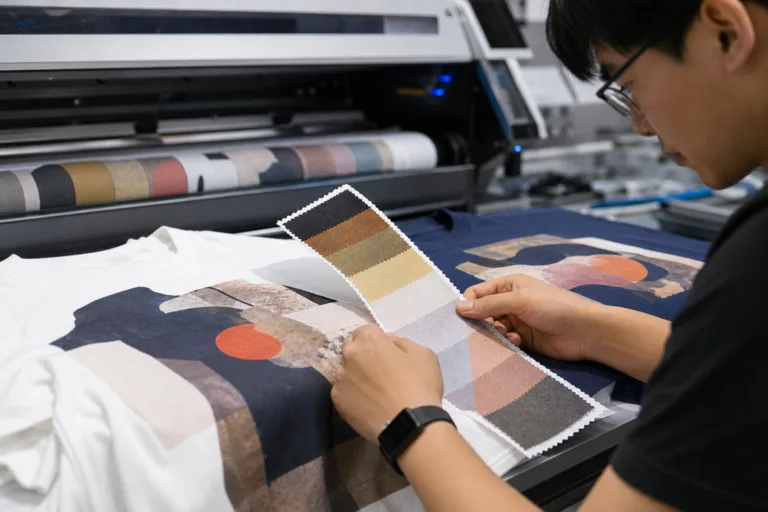
This workflow requires careful material testing. Cotton, linen, polyester blends and coated textiles behave differently. Some fabrics absorb ink too quickly, some need pretreatment, and some require steaming, washing or curing steps depending on the ink system. Before quoting a large job, a production team should test the actual fabric, evaluate color after finishing and confirm hand feel. A small swatch approval can prevent expensive production disputes later.
Dye sublimation for polyester sportswear and soft signage
If a brand sells polyester sportswear, performance apparel, flags, soft signage or all-over printed fabric, a dye sublimation printer may be the right production route. Sublimation uses heat to transfer dye into polyester fibers, creating bright color and strong wash performance when the fabric and press conditions are correct.
Sublimation is powerful for teamwear, cycling jerseys, activewear, event flags, banners and polyester promotional textiles. It works particularly well when the product is light-colored polyester and the design needs full coverage or vibrant color. The print becomes part of the fabric rather than sitting as a heavy layer on top, which is why it is often preferred for sportswear.
The limitation is material compatibility. Sublimation is not the best choice for cotton garments or dark cotton apparel. It also depends heavily on heat press calibration. Temperature, dwell time, pressure, paper quality and moisture control all influence the final result. Brands that plan to use sublimation should treat the heat press as part of the printing system, not as an afterthought.
How to match workflow to product type
A practical decision matrix helps a small brand avoid emotional buying decisions. If the brand sells mostly mixed apparel with frequent short runs, DTF may be the best first workflow. If the brand is built around premium cotton T-shirts, DTG may offer the hand feel and detail customers expect. If the product line includes fabric panels and home textile pieces, direct-to-fabric printing may open better opportunities. If the brand focuses on polyester sportswear, sublimation deserves serious attention.
There is no single best workflow for every apparel business. The best workflow is the one that matches the order reality. A shop printing 20 different hoodie designs per day needs different priorities than a studio developing printed linen cushion covers. A sportswear supplier needs different equipment than a creator merch seller. The correct decision begins with product strategy.
Cost per print should include hidden labor
Many small brands compare print methods only by ink cost or transfer cost. That creates an incomplete picture. The real cost per print includes labor, setup, waste, rejected garments, maintenance time, finishing, packaging and customer service risk. A method that appears cheaper can become expensive if it causes more reprints or requires slow handling.
For example, a DTF transfer may be efficient for mixed garment orders, but poor curing can create rejects. DTG may create a premium soft feel, but pretreatment must be controlled. Sublimation can be efficient for polyester panels, but heat press bottlenecks can limit production speed. Direct-to-fabric printing can open higher-value textile products, but sampling and fabric testing must be priced properly.
A brand should build a costing sheet for each workflow. The sheet should include blank cost, ink or transfer cost, pretreatment, consumables, labor minutes, finishing time, expected reject rate and packaging. Once those numbers are visible, pricing decisions become more professional.
Quality control for repeat orders
Repeat orders are where production discipline becomes visible. A customer may reorder the same T-shirt design, uniform, tote bag or textile product months later and expect it to match the first batch. Without records, the operator has to guess. With records, the shop can reproduce the approved result more confidently.
Every workflow should have a production log. For DTF, record film type, powder, curing temperature and press settings. For DTG, record garment brand, pretreatment amount, print mode and cure settings. For direct-to-fabric, record fabric batch, pretreatment, drying and finishing steps. For sublimation, record paper, fabric, heat press temperature, time and pressure.
This may sound detailed, but it saves time. It also makes the brand look more professional when customers ask about consistency. A small shop that can explain its process clearly often earns more trust than a larger shop that treats every order casually.
When to use more than one workflow
As brands grow, the best solution may be a combination of workflows. A print shop might use DTF for mixed apparel and dark garments, DTG for premium cotton T-shirts, sublimation for polyester sportswear and direct-to-fabric printing for home textile sampling. This gives the business more flexibility, but it also requires clear routing rules.
Routing rules help sales and production teams avoid confusion. When an order arrives, the team should ask: What is the fabric? What is the quantity? Is the artwork full color, single color or all-over? Does the customer care most about softness, durability, speed or cost? Is this a one-time order or a repeat product? These answers guide the workflow.
Without routing rules, teams may choose the familiar method instead of the best method. With routing rules, the business can sell confidently across more product categories.
Buying advice for small apparel brands
Before investing in equipment, brands should request real samples on the materials they plan to sell. A showroom sample on a perfect blank is useful, but it does not prove the workflow for your actual product line. Test cotton, polyester, blends, hoodies, tote bags, sportswear and home textile fabric if those are part of the plan.
Also ask about training, maintenance, spare parts, software workflow and after-sales support. A production machine is not only a purchase; it is a daily operating system. The right supplier should help the brand understand setup, testing, maintenance and scaling.
Sample approval should be part of the workflow
Small apparel brands often move too quickly from mockup to production. A digital mockup can show layout and general color direction, but it cannot prove fabric behavior, print feel or wash performance. A physical sample is the most reliable approval point because it shows how the artwork behaves on the real garment or textile. This is especially important when a brand is selling premium products or repeatable basics.
A good sample process should include the exact blank, the intended print method, the final curing or pressing settings and the same finishing process planned for production. If the sample is approved on one garment brand and the production order is printed on another, the result may shift. The sample should also be labeled and stored so future reorders can be compared against it.
Brands can also use sampling as a selling tool. Showing customers real swatches, transfer samples, printed textile panels or garment tests builds trust. It helps explain why one workflow is better for a specific product. It also allows the brand to sell quality rather than only price.
Inventory planning for print-on-demand and small batches
Workflow choice affects inventory. DTF can allow a shop to produce transfers before garments are selected, which may reduce blank inventory risk. DTG usually requires the garment to be available at print time, so the shop needs reliable blank stock. Sublimation often depends on polyester blanks or cut panels. Direct-to-fabric work may require fabric rolls or sample yardage. Each model has a different inventory rhythm.
For print-on-demand brands, the goal is to avoid tying up cash in slow-moving products while still keeping delivery promises. This means identifying core blanks, backup suppliers and realistic production cut-off times. A brand should know which products can ship in two days, which require sampling and which need longer lead times. Clear internal rules prevent overselling.
Inventory planning also affects customer service. If a hoodie color is unavailable, the team should know whether the order can move to another blank without changing the print method. If a sportswear fabric changes, sublimation color may need fresh approval. If a textile supplier changes finishing chemicals, direct-to-fabric printing may need retesting. These details become easier to manage when the workflow is documented.
How workflow choice affects brand positioning
A printing workflow can shape how a brand is perceived. A premium cotton T-shirt brand may emphasize soft-hand DTG prints and carefully selected blanks. A streetwear brand may value bold DTF graphics on heavyweight garments. A sportswear brand may promote vibrant sublimated polyester performance products. A home decor brand may focus on printed natural textiles and small-batch fabric development.
This matters because customers do not only buy decoration. They buy a product story. The print method should support that story. If the brand promises breathable sportswear, sublimation may communicate performance better than a heavy transfer. If the brand promises soft premium cotton, a carefully controlled DTG workflow may fit better. If the brand promises custom textile design, direct-to-fabric printing may be part of the value proposition.
When the workflow and brand promise match, marketing becomes easier. Product descriptions can explain material choice, print feel, durability and why the product is made the way it is. That helps customers understand the difference between a cheap printed item and a properly produced one.
Questions to ask before investing in apparel printing equipment
Before buying equipment or choosing a production partner, brands should ask practical questions. What fabrics will be printed most often? What order sizes are expected in the first year? How many designs will be produced each week? Are products mostly one-off, limited drop or repeat basics? Will customers reorder the same design? How important is hand feel? How much space is available for pretreatment, curing, pressing and packing?
The answers reveal operational needs. A brand that sells many small personalized orders may need fast job setup and flexible routing. A brand with repeat uniform orders may need color records and consistent blanks. A textile studio may need fabric testing space. A sportswear brand may need heat press capacity and panel handling. Buying equipment without answering these questions creates risk.
It is also important to ask about support. Training, maintenance guidance, spare parts and workflow advice matter when real orders begin. A strong supplier relationship can reduce downtime and help the brand improve faster.
Final thoughts
Small apparel brands do not need to chase every printing trend. They need to choose workflows that support profitable, repeatable products. DTF, DTG, direct-to-fabric and sublimation each have a clear place when matched to the right material and order type. The strongest brands think beyond the machine and build a complete workflow around quality control, costing, delivery and repeat orders.
That practical mindset turns printing from a technical task into a business advantage. When the workflow fits the product, the brand can launch faster, reduce waste, protect margin and give customers a product they are confident to order again.