Business news

Interview with Jon Schneider, President & Founder of Recruiterie

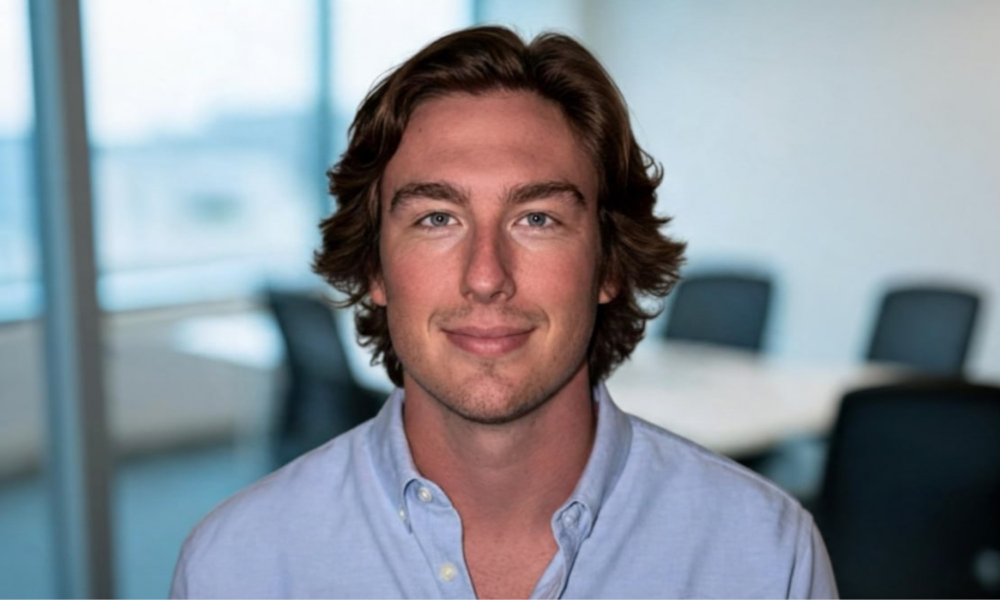
Jon Schneider, President & Founder of Recruiterie

This is an interview with Jon Schneider, President & Founder, Recruiterie.

For TechBullion readers meeting you for the first time, how do you describe your role as President and Founder of Recruiterie and your specialty in recruiting nonprofit development leaders?

I launched Recruiterie nine years ago with a clear vision: to connect nonprofit organizations with talented leaders who genuinely align with their mission and values, helping them continue to grow and better serve their communities. Over the years, I’ve seen just how critical it is for both the candidate and the organization to share a deep connection to that mission. That’s why we take the time—and go the extra mile—to truly understand our clients’ needs and thoughtfully match them with candidates who are passionate about advancing their cause.

What key experiences led you to build a recruiting practice focused on fundraising leadership after starting in sales and marketing?

I didn’t set out thinking I’d focus on fundraising leadership—it really evolved from what I was seeing in the market. Coming from a background in sales and marketing, I’ve always been drawn to roles where people are driving growth, building relationships, and telling a story that inspires action. Fundraising sits right at the intersection of all of that.

As I got deeper into recruiting—especially working with nonprofits—I started to see a consistent gap. These organizations are incredibly mission-driven, but they often struggle to find leaders who can both connect to the cause and effectively drive the revenue needed to sustain it. And the reality is, fundraising is critical to a nonprofit’s success, yet top talent in that space is limited and highly competitive.

That’s where the focus really took shape. At Recruiterie, we take a very personal, high-touch approach—we don’t just look at resumes, we spend time understanding both the organization’s mission and the candidate’s motivations, values, and long-term goals. That’s especially important in fundraising leadership, where alignment with the mission and the ability to build meaningful relationships directly impacts outcomes.

Over time, it became clear that this was an area where we could add real value—helping nonprofits find leaders who aren’t just qualified, but who genuinely believe in the work and can help grow the organization in a sustainable way.

When a nonprofit asks you to hire a Development Director or VP of Advancement, what is the first diagnostic you run with the CEO and board to define success?

When a nonprofit comes to us to hire a Development Director or VP of Advancement, the first thing I do is step back with the CEO and board and really define what success needs to look like—beyond just the title.

We start with the fundamentals: what are the organization’s growth goals over the next few years, and what role does fundraising need to play in getting there? That includes understanding current revenue streams, gaps, and how sophisticated—or not—the existing development function is today.

From there, I spend a lot of time digging into alignment. Are the CEO and board on the same page about expectations? Do they understand what it actually takes to hit those goals—whether that’s building out infrastructure, investing in systems, or being actively engaged in fundraising themselves?

We also look closely at the type of leader the organization truly needs at this stage. Is this a builder who can create strategy and infrastructure from the ground up, or a scaler who can take an existing program to the next level? That distinction is critical, and it’s often where searches can go off track if it’s not clearly defined upfront.

Ultimately, the diagnostic is about clarity and alignment—on goals, on expectations, and on what success realistically looks like in the role. Once we have that, we can go out and find someone who not only has the right experience, but who is genuinely excited about the mission and positioned to help the organization grow.

Building on that intake, what parts of your bespoke, relationship-driven search process most improve placement quality and long-term retention?

Building on that intake, the biggest driver of quality and long-term retention is the time we spend upfront—and the discipline to stay true to it throughout the search.

First, we go deep on alignment—not just skills, but motivation and mission fit. We’re not trying to find someone who can do the job; we’re focused on someone who wants to do this job, for this organization, at this stage of its growth. That means understanding what actually drives a candidate, what types of environments they thrive in, and how they’ve built relationships and revenue in the past.

Second, we run a highly relationship-driven search. A lot of the best fundraising leaders aren’t actively looking, so we’re having thoughtful, one-on-one conversations with people we’ve built trust with over time. That allows us to present opportunities in a much more meaningful way—and it gives us a clearer read on whether there’s real alignment or just surface-level interest.

From a data perspective, which CRM workflows and performance metrics do you use to predict a fundraiser’s first-year portfolio growth?

From a metrics standpoint, a few things tend to be very predictive in that first year:

Portfolio coverage and engagement: What percentage of their assigned donors are they actually engaging with in a meaningful way?

Moves-to-meetings conversion: Are outreach efforts turning into real conversations and relationship-building opportunities?

Proposal activity and size: How many asks are being made, and are they appropriately sized based on the donor’s capacity and readiness?

Pipeline velocity: How quickly are donors moving from initial engagement to solicitation?

Retention and upgrade rates: Even early on, are they maintaining and growing existing donor relationships?

On candidate evaluation, how do you verify a major-gifts leader’s ability to cultivate and close complex gifts beyond what’s listed on a resume?

First, I do a deep behavioral interview. I ask candidates to walk through specific major gifts they’ve cultivated and closed: how they identified the donor, how they built the relationship, what obstacles arose, and how they overcame them. I’m listening not just for outcomes, but for their process—strategic thinking, persistence, creativity, and integrity.

Second, I validate through references and networks. I speak with former supervisors, peers, and sometimes even board members who worked closely with them on major gifts. Those conversations reveal nuances—how they handle complex negotiations, whether they can navigate sensitive situations, and how they maintain donor trust.

Third, I assess portfolio strategy and pipeline management. I review examples of how they segment and prioritize prospects, plan multi-year cultivation strategies, and track moves in a CRM or similar system. A fundraiser who can articulate their method for building relationships with high-capacity donors—and back it up with concrete examples—is far more likely to succeed than someone who only lists numbers.

Finally, I consider fit with the organization and mission. Major gifts are personal, relationship-driven, and often involve storytelling about impact. A candidate’s passion and alignment with the mission directly affect their ability to inspire donors and close transformational gifts.

How do you assess a candidate’s genuine commitment to an organization’s mission, and what steps do you take to ensure their values and personality align with the organizational culture for long-term fit and satisfaction?

Assessing a candidate’s commitment and cultural fit is really about digging past surface-level enthusiasm to understand motivation, values, and how they operate day-to-day. For nonprofit leadership—especially in fundraising—it’s not enough to be capable; alignment with mission and culture is what drives long-term impact and satisfaction.

It’s a layered approach: understanding motivation, validating behavior and style, immersing candidates in the culture, and ensuring shared expectations. When done well, it’s the single biggest predictor of long-term retention and satisfaction.

When structuring offers, how do you align compensation and incentives for development leaders with market realities and nonprofit ethics?

I focus on balancing market realities with nonprofit values. We start by benchmarking similar roles—by size, sector, and geography—to ensure the offer is competitive. But it’s not just about numbers.

Incentives are tied to meaningful impact, not just dollars raised. That means rewarding behaviors that build lasting donor relationships, strengthen portfolios, and advance the mission—not short-term wins. Transparency is key too: the candidate and organization need to be on the same page about expectations and ethical standards.

Finally, it’s a collaborative process with the CEO and board. We look at total compensation holistically and make sure it motivates the leader while protecting the organization’s integrity. The goal is a package that attracts top talent, drives results, and supports long-term success.

We find that when everything about the role, mission, structure, expectations, and culture clicks with a candidate, compensation often takes a backseat in their decision-making process.

After the hire, what 30-60-90 day onboarding plan do you recommend to help a new development leader build pipeline and early wins?

In the first 90 days, a new development leader hits the ground running. However, the focus isn’t just activity, it’s understanding. Month one is all about listening: meeting staff, board, and donors, learning the history, and reviewing the portfolio. Month two is where strategy takes shape—prioritizing high-potential relationships and testing approaches that can generate early wins.

By month three, they’re executing with momentum. They’re moving key prospects through the pipeline, engaging the team and board, and putting systems in place that will drive sustainable growth. It’s about building trust, demonstrating impact, and laying the foundation for long-term success.

Thanks for sharing your knowledge and expertise. Is there anything else you’d like to add?

At Recruiterie, we believe great nonprofit leadership starts with understanding both the organization and the people we place. Our thoughtful, relationship-driven process takes the time to connect candidates with missions they care about and clients with leaders who will thrive.

The result isn’t just a hire; it’s a partnership that sets leaders and organizations up for long-term growth, strong donor relationships, and lasting impact.

Comments
To Top

Pin It on Pinterest

Share This