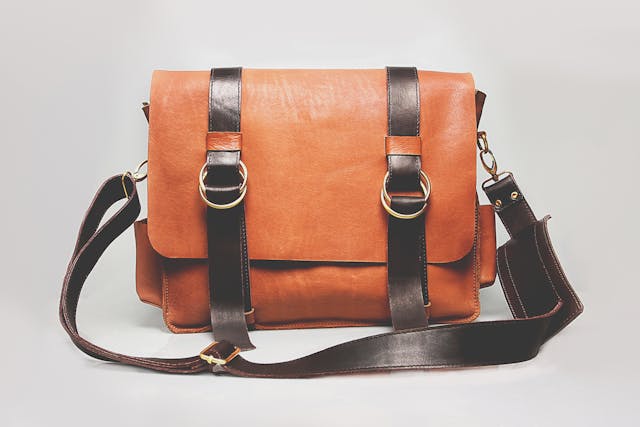
With so many different bags to choose from, it can be hard to settle on one for daily use. If you choose the wrong bag, you’ll end up frustrated by shoulder strain and clutter, and it might end up being a mismatch for your wardrobe. On the other hand, the right bag will support your needs throughout the day and add to your personal style. Although aesthetics matter, the bag you pick for everyday use should be durable and ergonomic, or it may end up abandoned in the closet.
Start with how you move through the day
Your everyday bag needs to support the way your body moves during the day. If all you do is carry it into work and set it down on your desk, you’ll have more freedom in the type of bag you can use. However, if you’re constantly switching between walking, driving, standing, and sitting, that can place physical demand on your bag. For example, it can alter your bag’s shape, stretch the strap, and cause the seams to burst from extra weight. Any bag that doesn’t move with you should be rejected, regardless of how nice it looks.
Leather shoulder bags perform exceptionally well for many women because they maintain their structure while remaining flexible. High-quality leather softens over time without losing its shape. Shoulder bags sit closer to the body and distribute weight more evenly compared to other bags. This is especially important for avoiding neck and shoulder strain.
Before buying a new bag, consider the following:
- How you commute. If you walk a lot during the day, you’ll benefit from a shoulder or crossbody bag that keeps your hands free, stabilizes the weight, and doesn’t swing.
· How long you’ll wear your bag. If you need to carry your bag for more than two hours per day, you want a wide strap and flexible material. Narrow straps will intensify the pressure on your shoulder. - How often you need to get into your bag. If you need to access the contents of your bag frequently, it should be easy to get into while you’re carrying it.
- How your body position will change. Bags that collapse or tip when you sit down will be a problem. The best option is a structured bag that maintains its form.
The best everyday bag is one that moves with you, no matter where you go or how you move throughout your day.
Consider the size of your bag
The size of your bag should be equal to your daily needs. Avoiding buying an extra-large bag “just in case” you might need the room. Oversized bags make it easy to collect clutter, get heavy fast, and become cumbersome. On the flip side, undersized bags create constant friction by forcing you to rotate items and dig around for things you know are in there somewhere.
Take inventory of your essentials, like your phone, charger, wallet, keys, planner, and glasses. Make sure your bag fits these items with a little extra space for other items you may need on various days.
Consider the layout of your bag
A bag that can hold everything you need throughout the day isn’t much use if the inside isn’t organized. A compact bag with an efficient internal layout can often be more useful than a larger bag with no pockets, dividers, or zippers.
To get the right layout, think about the items you need to access most often. Your bag should have dedicated compartments for these items so you don’t need to dig around. An organized layout also distributes weight evenly.
Choose the material based on use
The material you select will determine how long your bag will last and how much of a burden it will be to maintain. Cheap synthetic materials will look fine for a week but then they’ll start to crack and fray the more you use your bag.
Avoid fast fashion and bags made with cheap materials. Basic materials like canvas and leather are always good options. Both are easy to clean and durable when constructed properly. And leather can be restored if it starts to break down. High-quality leather will outlast canvas and looks better as it ages.
If you don’t like the look or feel of leather, canvas is lightweight and tough enough to handle scuffs without showing wear for a long time.
Match your bag to your wardrobe’s dominant colors
An everyday bag should easily match most of your outfits without thought. That’s why neutral tones and classic shapes are better than bags created to make a statement. Research has shown that neutral colors like black, white, beige, gray, and brown are the most flexible.
Before buying a bag, think about what you wear. If most of your clothes fit a specific color scheme, your bag should match. Classic colors are a good choice because they age better. If you buy a bag with a trendy pattern or design, it may not match your wardrobe for long. Classic, neutral colors tend to look great for extended periods of time.
Prioritize comfort over looks
Having an aesthetically pleasing bag is important, but comfort will determine if you actually use it. You could have the most attractive bag in the world, but if it’s uncomfortable, you’ll start avoiding it.
The width of the strap will play a major role in comfort. Thin straps can look good but they’ll dig into your shoulder, especially when your bag is full. Wide, adjustable straps are ideal for proper fit and weight distribution. It also helps to start with a lightweight bag so you don’t have to lug around unnecessary weight. If your bag feels like a burden to carry, it will end up collecting dust in your closet.
Choose function over fashion
Some bags look great but are uncomfortable to wear. Others look amazing and fit comfortably, but the internal organization is flawed. Finding the right bag can take time, but when you prioritize lifestyle compatibility and function, you’ll find a bag that integrates seamlessly into your daily routine.