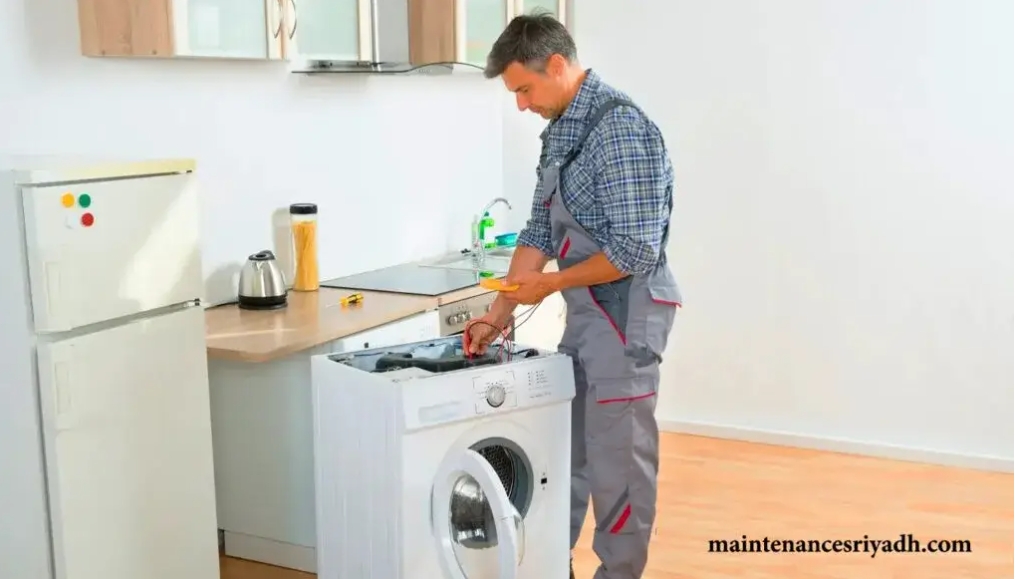
An automatic washing machine is one of the most crucial appliances in most homes in Riyadh. They help save time and energy in cleaning clothes for everyday use. As with any appliance in the home, it also needs maintenance for it to last long. Proper maintenance extends the lifespan of your washing machine and averts many other common issues from occurring, such as poor washing, leakage, or too much noise. This article will guide you on the basic maintenance performed on automatic washing machines in Riyadh as well as some tips on the most popular brands along with where to get professional repair services.
Most Important Maintenance Tips on Automatic Washing Machines
- Clean Drum Frequently:
Soap scum, detergent residue, and lint can build up in the washing machine drum after many cycles. The poor smells and a decline in washing performance are the result of such buildup. A maintenance wash in hot water with a washing machine cleaner or a cup of white vinegar every two months will make your drum fresh and clean of any residual buildup.
- Frequently Clean the Filter
Most auto washing machines use filters to capture lint and other debris. Such brands as LG, Samsung, and Bosch apply filters to this purpose. Should the filter be clogged up, it hampers the draining system which, in turn, makes it less effective while washing. Filter needs to be cleaned up time and again at regular intervals after a few months, or early if the draining problem is found.
- Check and Change Water Hoses
Inspect regularly the hoses connected to the washing machine for water supply leaks and check them for cracks and bulges. You must change the hoses when you notice them being damaged since leakage and eventual water damage will result from continued use. Most people find easily replaceable hoses in the event that you require Whirlpool or Siemens hose replacement.
- Clean the Door Seal
Detergent residue, water, and dirt may catch in the rubber door seal found in front-loading machines, such as Samsung and Bosch. This might lead to mold growth and bad smells if not addressed. Wipe down the door seal often with a dry cloth and clean using a mild detergent to stop buildup.
- Vibration and Unleveling:
The machine is vibrating too much during the spin cycle. Check if the machine is sitting flat on the floor using a spirit level. If it is not, then check the leveling feet and adjust to stabilize the washing machine. Avoid damage to internal components.
- Detergent Drawer Maintenance
Detergent drawers can get dirty by soap residue and water. If not emptied out from time to time, they might cause clogging of the dispenser. Always pull out the detergent drawer of your machine from time to time for thorough cleaning. Brands such as LG and Electrolux often experience blocking in their detergent systems.
- Use the right detergent.
Always use the right type of detergent for your washing machine. For instance, high-efficiency detergents are designed for newer, energy-efficient machines, such as those from Samsung and Whirlpool. Using the wrong detergent can result in excessive foam buildup, which may damage the internal parts of the machine.
- Run a Maintenance Wash Periodically
A maintenance wash is running an empty cycle on a hot setting, which helps eliminate detergent, fabric softener, or grime buildup. This is particularly important for high-end brands such as Miele and Bosch since it maintains the machine’s efficiency.
Professional Maintenance and Repair Services in Riyadh
Although DIY regular maintenance keeps the washing machine in a good state, some problems are only possible to be solved by professionals. In fact, there are a few reliable service centers that repair numerous popular brands – LG, Samsung, Bosch, Whirlpool, and Miele. They have everything known to overcome very complex problems coming up at any moment of exploitation.
For the residents of Riyadh, the professional washing machine repair service is just a click away. Professional maintenance can be availed of by visiting any of the sites mentioned above.
Some of the prominent sites include Maintenance Services in Riyadh and LG Washing Machine Repair Services in Riyadh
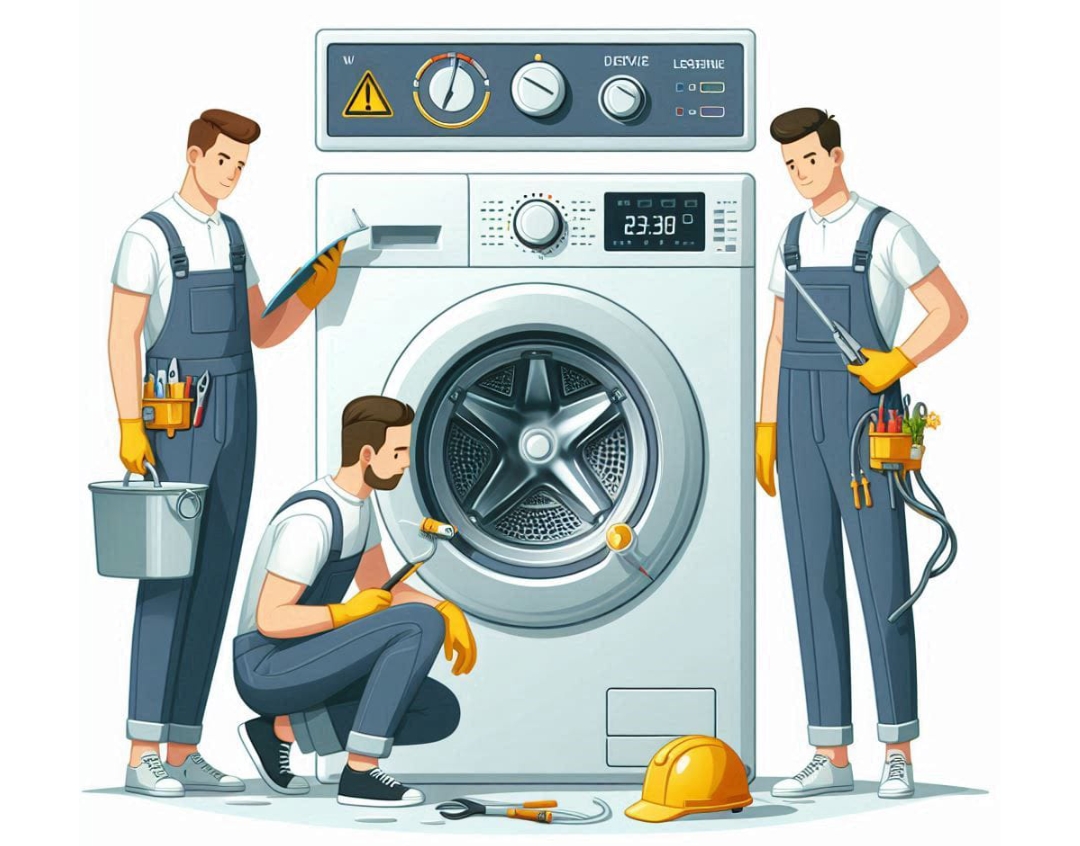
These services provide expert technicians who can carry out comprehensive diagnostics, maintenance, and repairs for your automatic washing machine. Whether it’s a Samsung, LG, or Bosch machine, the right professionals can quickly identify the issue and restore your appliance to working order.
Conclusion
Maintaining your automatic washing machine in Riyadh is essential to ensure it operates efficiently and lasts longer. Regular maintenance such as cleaning the drum, checking the hoses, and checking the filter will prevent many common problems and extend the life of your machine. For more serious issues or if you want professional help, you can reach out to expert services in Riyadh, such as Maintenance Services Riyadh and LG Washing Machine Repairs. When provided with proper care and professional help, your washing machine will stand up to heavy service for long.