76 Million Baby Boomers Are Aging. Kami Care Thinks AI Can Keep Them Home Longer

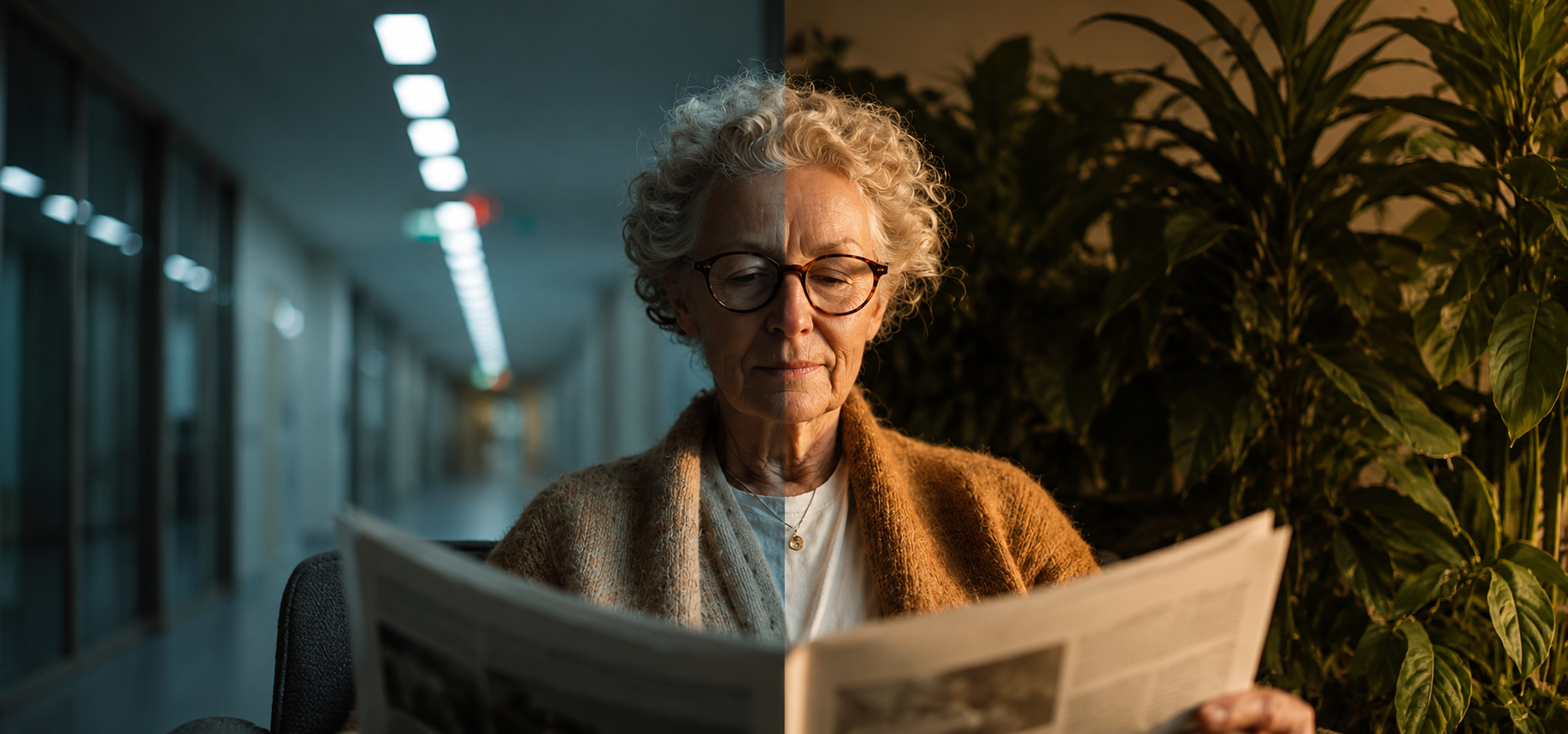
The numbers tell a compelling story. According to U.S. Census Bureau data, 76 million babies were born during the postwar boom between 1946 and 1964. Today, approximately 76.4 million baby boomers remain in the United States, and every single one of them will be 65 or older by 2030. This demographic reality has created an urgent market opportunity that Kami Vision is positioning itself to capture.
The San Jose company has built a vision AI platform serving six million active users across 120+ countries worldwide. Mike Link serves as COO, overseeing operations for a business deployed across 15+ million devices globally. The company’s thesis is straightforward: artificial intelligence can enable seniors to age safely at home rather than transitioning to institutional care.
How AI Improves Fall Detection in Senior Living Facilities and Private Homes
Understanding how AI improves fall detection in senior living requires examining why traditional approaches fail. Legacy systems rely on wearable pendants requiring conscious activation during emergencies. When someone falls and becomes disoriented or loses consciousness, they cannot press a button to summon help.
Kami Vision’s computer vision technology eliminates this dependency. Cameras equipped with proprietary algorithms watch continuously and distinguish between routine movements and genuine emergencies. The company reports 99.5 percent accuracy based on internal analysis of over thousands of documented fall incidents.
The KamiCare platform now protects residents and patients across the US in senior living communities and facilities nationwide. This important institutional validation demonstrates the technology performs reliably in clinical environments where liability concerns and regulatory requirements demand precision.
Benefits of Vision AI in Home Security Cameras for Consumer Applications
The benefits of Vision AI in home security cameras extend beyond traditional surveillance functionality. Standard motion detection systems trigger constantly for pets, shadows, and environmental changes, training users to ignore notifications. This notification fatigue defeats the purpose of monitoring.
Smart detect AI alerts from Kami Vision understand context in ways traditional systems cannot. Algorithms distinguish between someone sitting quickly and someone collapsing. They recognize the difference between normal household activity and genuine anomalies requiring attention.
KamiCare’s consumer platform was introduced at CES 2026, bringing its AI-powered fall detection technology — already trusted by senior living communities and care facilities since 2022 — to the consumer market for the first time. For adult children managing the safety of aging parents from a distance, the platform offers meaningful peace of mind, with real-time alerts and the ability to reach emergency services directly through the app when every second counts.
Smart Home Cameras with Cloud Storage Now Include Health Monitoring
The consumer security camera market has become increasingly commoditized. Dozens of manufacturers offer similar specifications at comparable price points. What separates the best smart home cameras with cloud storage from commodity alternatives is specialized functionality addressing specific use cases beyond basic recording.
KamiVision holds over 60 patents covering computer vision and camera technology innovations. This intellectual property creates meaningful barriers to entry while positioning the company for licensing arrangements with manufacturers seeking to integrate fall detection capabilities into existing product lines.
Home surveillance with AI insights represents an emerging category combining traditional security functionality with health monitoring. Rather than simply recording footage for later review, these systems understand what they observe and generate actionable intelligence for families and caregivers.
The Technology Behind KamiCare
KamiVision’s enterprise platform has been battle-tested at scale, managing 248 million daily alerts and 25 petabytes of data across senior living communities and care facilities since 2022. These figures reflect real-world performance, validating both the reliability of the technology and the operational experience KamiVision brings to the consumer market.
When a potential fall is detected, the system’s human verification layer ensures trained professionals review blurred, anonymized footage before any response is escalated — eliminating false alarms while ensuring genuine emergencies are never missed. Only explicitly authorized family members and designated contacts can access unobscured recordings, giving users full control over their privacy.
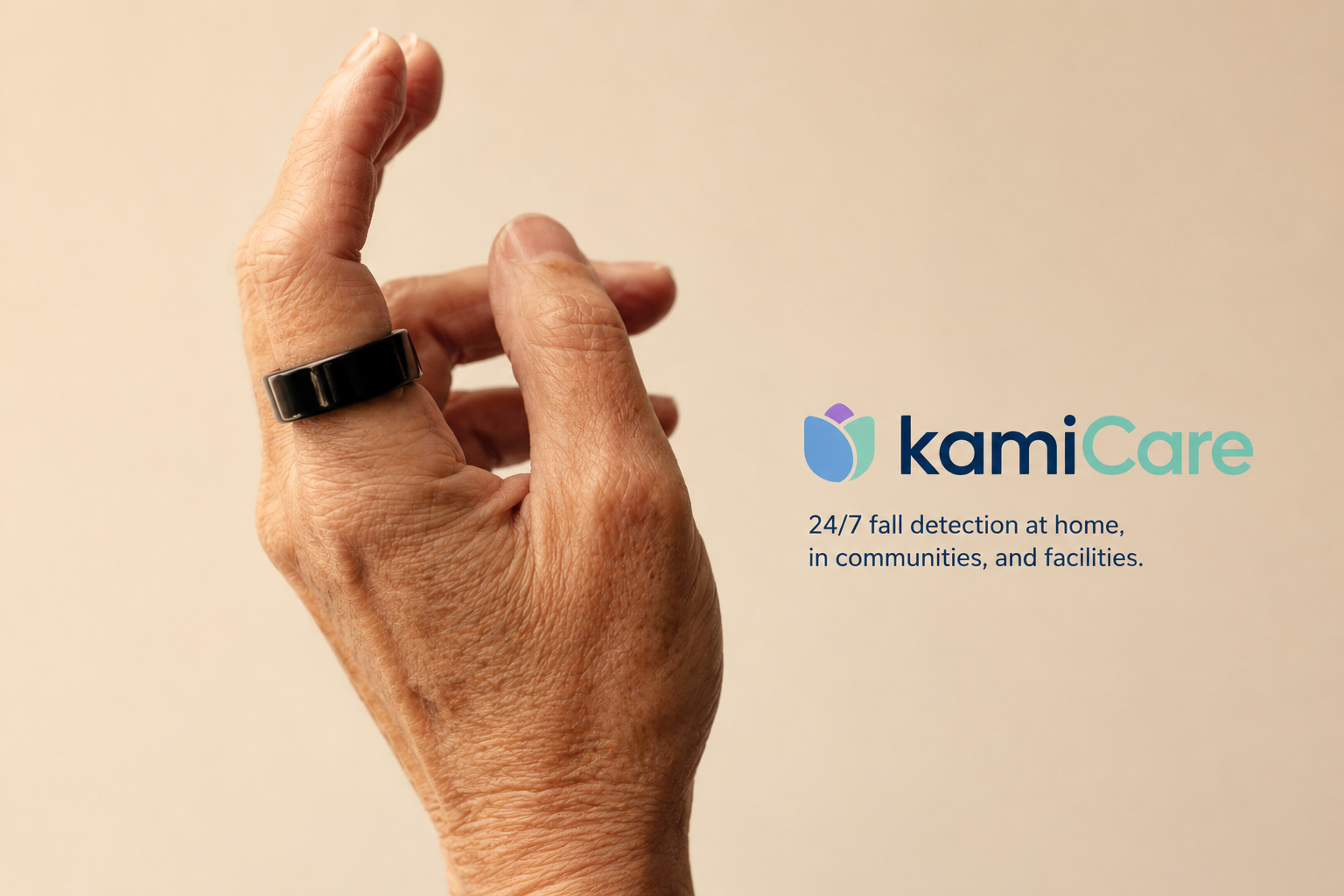
Image Credit: Kami Vision
Built for Seniors. Designed for Independence.
What has historically separated professional-grade monitoring from consumer technology comes down to reliability, accuracy, and response protocols. KamiCare bridges that gap, bringing enterprise-level fall detection — already proven in facilities nationwide — directly into the home.
The platform is also expanding beyond the camera. Kami Vision announced a wearable smart ring at CES 2026 that tracks heart rate, blood oxygen, and sleep patterns, extending protection beyond the home environment for seniors who remain active and on the go. Together, these products reflect a broader vision: comprehensive, layered safety that adapts to how seniors actually live.
The demand is clear. AARP research indicates 77 percent of adults over 50 want to age in their own homes. Meanwhile, one in four older adults falls each year according to CDC data, and fall-related healthcare costs exceed $80 billion annually. KamiCare is designed to meet that moment.

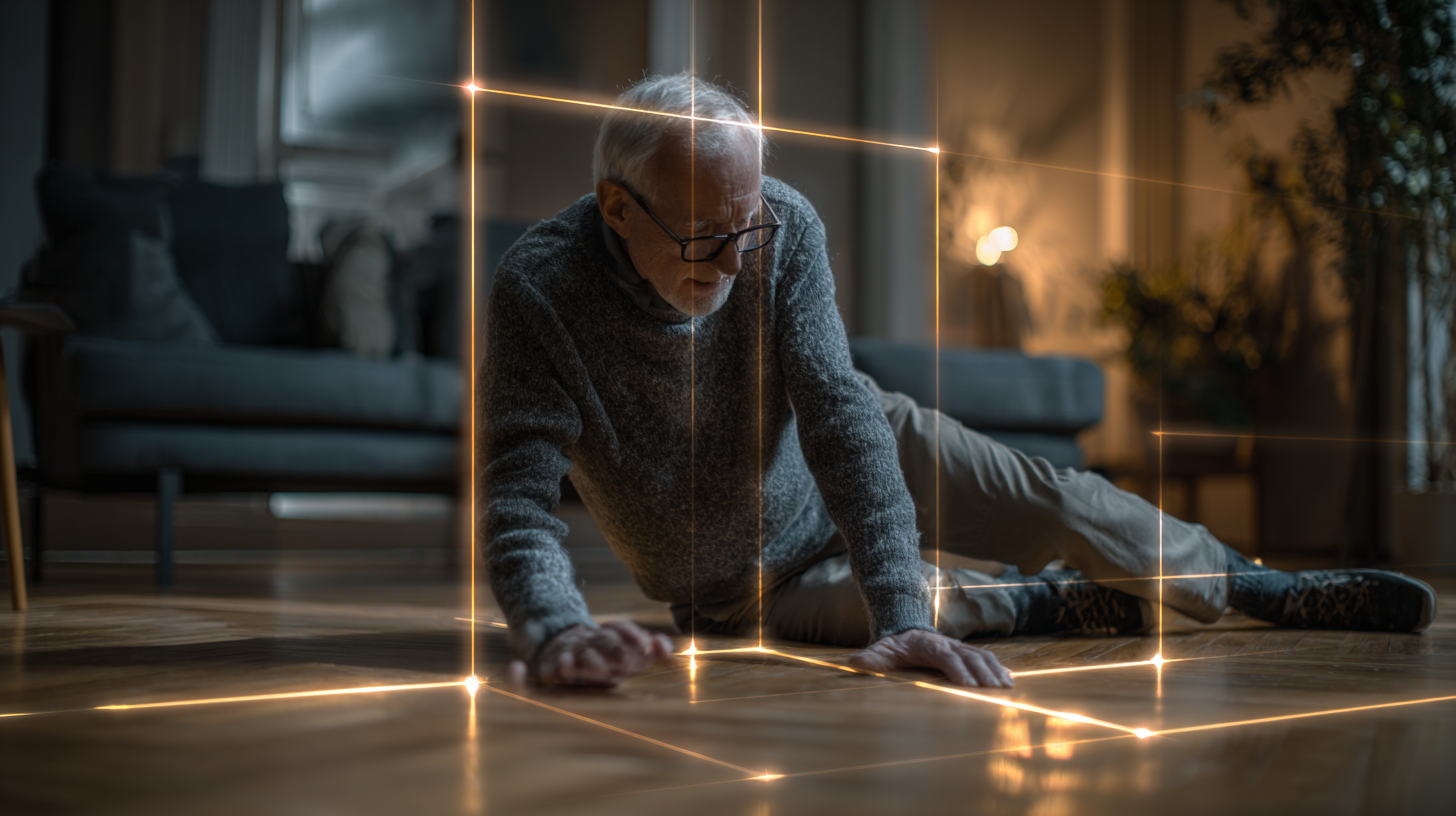
Image Credit: Kami Vision
Market Dynamics Favor Prevention Investment Models
The economic case for prevention technologies becomes compelling when examined against treatment costs. A single fall-related hospital admission averages over $30,000 according to CDC data. Annual monitoring costs through Kami Vision run approximately $540. Even preventing one serious incident over multiple years generates substantial return on investment for families, healthcare systems, and insurers alike.
The U.S. Census Bureau reports the 65 and older population grew 13 percent between 2020 and 2024, significantly outpacing overall population growth. By 2030, projections show 20 percent of Americans will be 65 or older. The infrastructure for keeping this growing population safe at home simply does not exist at current scale.
Kami Vision represents one approach to addressing this infrastructure gap. The company has built technology, operational capabilities, and market presence, positioning it to capture value as demographic realities make aging-in-place solutions increasingly essential. For investors and industry observers tracking the AgeTech sector, the metrics deserve continued monitoring as this important market evolves.