
7 Signs Your Business Is Ready for a Dedicated Online Company Store

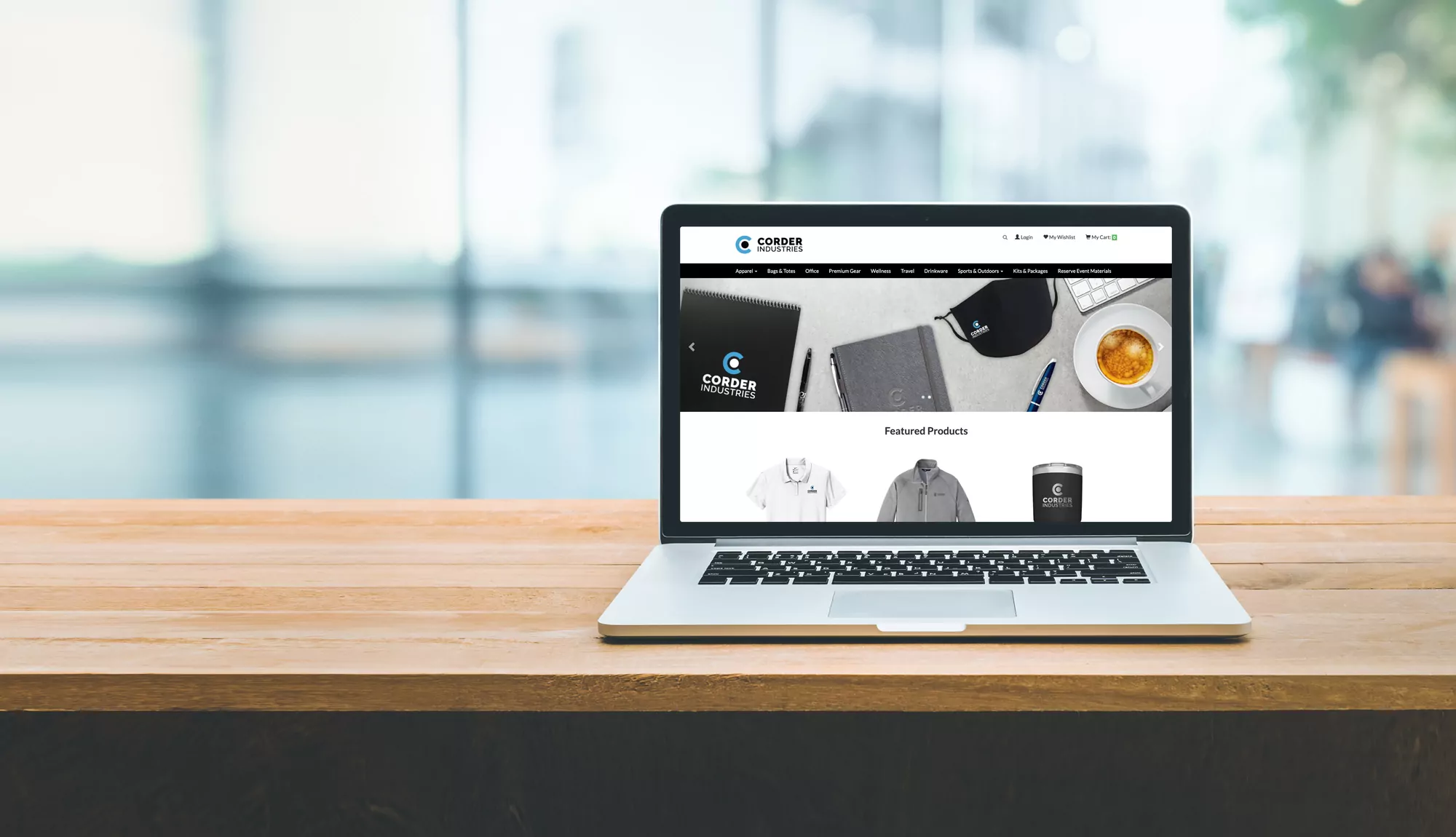
Growth is great — until it isn’t. Branded merchandise, employee apparel, promotional items: suddenly somebody has to wrangle all of it, and that somebody is usually already stretched thin. A dedicated online company store can cut through the chaos. Jump in too early, though, and you’ve wasted money. Wait too long and you’re buried under spreadsheets, chasing down sizes, fielding complaints. Seven indicators tend to signal the tipping point. Each one maps to a specific operational pressure that a dedicated store is purpose-built to absorb.
1. Your Employee Count Has Exceeded 50 to 100 People
Small teams get by on informal channels. Somebody fires off a bulk order; somebody else tracks sizes in a shared doc. It works — for a while. Cross that 50-to-100-employee threshold, especially across multiple departments, and the informal system starts cracking. HR fields sizing requests it shouldn’t touch. Managers get pulled into reorder decisions that have nothing to do with their actual jobs. A dedicated online store hands that responsibility directly to employees. They pick items, place orders, move on. At that headcount, the efficiency gains don’t just justify the investment. They fund it.
2. You Distribute Branded Merchandise Regularly
One-off orders? Manageable. Regular distribution? Entirely different animal. Monthly swag drops, seasonal gear, quarterly client gifts — every cycle means fresh vendor calls, updated spreadsheets, manual tracking. That overhead compounds fast. If merchandise ships on a predictable schedule, you already have the volume to justify a centralized platform. Automated ordering, integrated inventory tracking, fulfillment baked into one system — none of that is a luxury when you’re running recurring cycles. It’s just operational sense.
3. You Have Multiple Locations or Remote Employees
Geography creates friction. Real, daily friction. Branch offices have different needs. Remote employees can’t walk down the hall and grab a branded hoodie. Traditional ordering methods weren’t designed for distributed teams, and the gaps show up constantly — special requests, inconsistent timelines, coordinators acting as middlemen for things that should be self-serve. A dedicated online store cuts all of that out. Employees order directly. Branding stays consistent. Regional quirks in sizing preferences or inventory get absorbed by the platform rather than dumped on whoever’s currently stuck managing it.
4. Your Annual Merchandise Spending Exceeds Specific Budget Thresholds
Once branded merchandise spending climbs into the thousands annually, the math shifts fast. Higher volumes unlock better vendor pricing — but only if you have visibility into where money’s actually going. Here’s the real value: reporting. A well-built store shows which items move, which sizes vanish first, where budget quietly disappears. That data drives smarter procurement decisions. Without it, you’re guessing. And guessing with a serious merchandise budget is an expensive habit to maintain.
5. You Need Better Control Over Brand Standards and Quality
Let different departments order from different vendors. Watch what happens. Mismatched logo colors. Off-spec embroidery. Cheap material nobody wants near their body. Brand inconsistency moves fast when ordering is decentralized — faster than most organizations expect. A dedicated store fixes this upfront by curating every product before it goes live. Nothing gets listed that doesn’t meet your standards. Organizations managing broad merchandise catalogs find that working with a reputable online company store ensures vendor accountability and consistent brand presentation across every single order — not just most of them. That consistency matters most when merchandise ends up in front of clients or partners.
6. Your Current Ordering Process Creates Administrative Challenges
Count the emails. Seriously. Every merchandise request triggers a chain: someone submits, someone approves, someone follows up, someone tracks the shipment. Multiply that by dozens of employees and you’ve created a part-time job for someone who already has a full-time one. Lost requests, duplicate orders, missed approvals — these aren’t rare exceptions in manual systems. They’re the routine. A dedicated store replaces that whole chain with automated workflows. Employees see available inventory, order on their own schedule, get automatic confirmations. Nobody chases anyone down. Nobody forgets.
7. You Want to Enhance Employee Engagement and Company Culture
Branded merchandise does something hard to quantify but easy to feel. It signals belonging. It puts the brand into daily life — coffee mugs, jackets, laptop bags sitting on kitchen tables during remote calls. But only if people can actually get their hands on the stuff. Seasonal ordering windows and request-based systems create quiet friction that discourages participation over time. A dedicated online store removes those barriers entirely. Employees browse, choose, and order when it’s convenient — not when a window happens to crack open.
Year-round access to a solid product selection sends a clear message: the organization actually cares about the employee experience. Consistently accessible branded merchandise strengthens connection and loyalty in ways that show up in engagement — not just symbolically. A well-structured store makes that possible without adding headcount or burying whoever currently handles procurement.
Conclusion
Several of these showing up at once? That’s your answer. The right moment to invest isn’t arbitrary — it’s tied to real operational pressure: headcount, distribution frequency, geographic spread, budget scale, brand control, administrative drag, culture goals. When multiple indicators line up simultaneously, the efficiency gains stop being projections. They become obvious. A well-implemented store simplifies procurement, locks down brand consistency, and lifts a recurring administrative burden off your team for good. The only prerequisite is honest self-assessment — and if you’ve read this far, you’re already doing it.






Comment