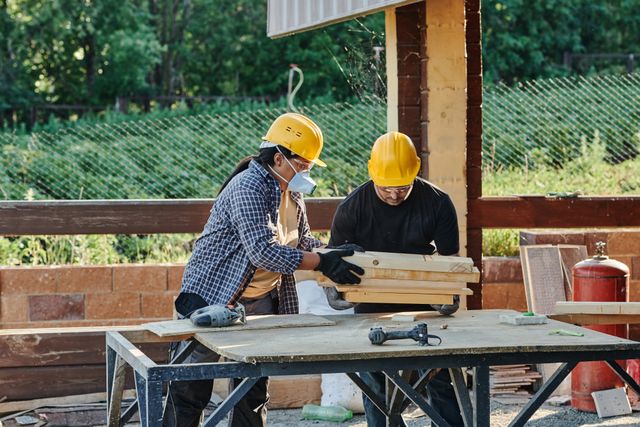
Growth is exciting when you’re a builder. Bigger projects, better clients, more referrals, and a stronger reputation can all move your business forward. But growth also brings more risk.
The bigger the job, the more moving parts you have to manage. You’re dealing with tons of different factors and timelines. And when one piece goes wrong, it can affect the whole project.
Yes, it’s true that risk is part of construction. However, smart builders build systems around it. They plan for it, making sure the right people, paperwork, insurance, and processes are in place before problems show up. More specifically, they reduce risk by doing some of the following.
- Get Clear Contracts in Place Before Work Begins
A strong contract is one of the most important tools you have as a builder. It sets expectations before the work starts and gives everyone something to point back to if questions come up later.
A good contract should explain all of the following for both you and the client:
- Scope of work
- Payment schedule
- Project timeline
- Change order process
- Warranty terms
It should also explain what happens if the project is delayed, materials change in price, or the client requests work that wasn’t included in the original agreement. In other words, put everything you possibly can into the contract. (Most disputes start with unclear expectations. If you can avoid this lack of clarity on the front end, you can circumvent a ton of risk.)
Your contracts with subcontractors matter just as much. If you bring in electricians, plumbers, or any other trade, each one should have a clear written agreement. That agreement should cover every detail of their involvement in the project. Leave nothing left to be assumed or interpreted.
- Carry the Right Insurance for Your Work
Insurance can feel like just another business expense, but for builders, it’s one of the main ways to protect against financial loss. A single claim or injury incident can become a massive expense that financially drains your business before the project is completed.
The right insurance depends on the type of work you do, where you operate, how large your projects are. It also matters whether you use employees or subcontractors. There are several insurance products for builders to consider, including:
- General liability insurance is one of the most basic forms of protection. It can help if your work causes property damage or bodily injury to someone else. For example, if a client or visitor gets hurt on the job site, or if your crew damages part of the property.
- Builders risk insurance is another important product. It’s designed to cover a building or project while it’s under construction. Depending on the policy, it may help protect against losses from events like fire, theft, vandalism, or certain weather-related damage.
- Workers’ compensation insurance is usually required if you have employees, though rules vary by state. It helps cover medical costs and lost wages if an employee gets hurt while working. Even if your team is careful, construction work comes with real injury risk, so you don’t want to overlook this.
- Professional liability insurance, sometimes called errors and omissions coverage, may be necessary. This is common if you provide design, consulting, construction management, or other professional services. If a client claims your advice caused financial harm, this type of coverage can kick in and help.
- Umbrella or excess liability insurance can provide extra protection above your existing liability limits. As your projects get larger, your exposure can grow too. Having added coverage may make sense for you.
The point is that you shouldn’t guess. Talk with an insurance professional who understands builders and construction risks. You want coverage that fits your actual business, not a generic policy that leaves gaps and keeps you vulnerable.
- Vet Subcontractors Before They Step Onto the Job Site
Subcontractors can help you grow faster and take on more work. But they can also create risk if you don’t vet them carefully.
When a subcontractor misses deadlines or damages property, the problem ultimately lands on your plate. Even if you didn’t personally cause the issue, the client often sees you as responsible because you’re the builder. Knowing this, you need a simple process for checking subcontractors before you hire them.
Always start with experience. Have they done similar work before? Do they understand your quality standards? Can they handle your schedule? Ask for references and actually take the time to check them. A quick conversation with another builder can tell you a lot about how the subcontractor performs.
Additionally, you should verify their licenses, if a license is required for their trade in your area. Rules vary, so don’t assume. If they’re doing electrical, plumbing, HVAC, roofing, or other regulated work, make sure they’re properly qualified.
- Build Safety Into Your Daily Process
Safety can’t be something you only talk about after an accident happens. If it’s a reactionary conversation, something is wrong. It has to be part of how your job sites run every day. The best safety strategies and processes are proactive.
A safer job site benefits everyone. It protects your workers, subcontractors, clients – anyone and everyone who steps on your job site. It can also reduce costs and increase efficiency. When people know what’s expected, they’re more likely to work carefully and communicate issues before they become serious.
Not sure where to begin? Start with basic job site standards:
- Keep walkways clear
- Store tools and materials properly
- Make sure ladders, scaffolding, and equipment are used correctly
- Require the right protective gear
- Address hazards quickly instead of letting them sit for another day
You should also make sure people know who’s responsible for what. If every person assumes someone else is going to come up behind them and clean up, things can fall through the cracks. Each person should feel responsible for the safety of the job site.
Adding it All Up
Reducing risk as a builder doesn’t mean you can prevent every problem. Construction will always involve surprises and uncontrollable risk factors. But you can protect yourself by running your business with more structure. The proactive steps we’ve mentioned will ultimately support your growth and put you in a better position to take on bigger opportunities without exposing yourself to unnecessary risk.