2026 Property Manager Checklist for Commercial Asphalt Repair Services


Does your parking lot look fine from a distance but feel risky up close?
Many property managers face that exact problem. Small cracks, faded striping, pooling water, and rough surfaces often seem minor until tenants complain or visitors trip. This post breaks down what to inspect, what to fix first, and how to plan smarter maintenance through the year.
It also explains where commercial asphalt repair services and commercial asphalt sealing fit into a practical maintenance plan that protects both appearance and performance.
A Smarter Way to Manage Parking Lot Maintenance in 2026
Property managers rarely have the luxury of waiting for the perfect time to act. Budgets shift. Weather changes. Tenant needs pile up fast. That is why a checklist matters. It gives you a clear system for spotting issues early, prioritizing work, and avoiding repairs that grow more expensive with time.
A strong maintenance plan also supports more than surface appearance. It helps preserve traffic flow, reduce liability concerns, improve curb appeal, and extend pavement life.
In 2026, that matters even more because commercial properties face higher expectations around safety, accessibility, and first impressions. Instead of reacting to damage, smart managers build a routine that keeps the lot in working shape throughout the year.
Start With Surface Clues Before They Turn Into Bigger Problems
The best checklist begins with visible warning signs.
- Walk the lot slowly. Look at entry points, driving lanes, loading areas, curbs, and parking stalls. Focus on cracks, potholes, edge damage, oil stains, and faded markings.
- Check whether water lies after rain. Notice whether the lot feels uneven underfoot or under tires. These details often point to deeper wear.
- Next, note how damage affects daily use. A cracked lane may slow traffic. A broken edge may worsen with every truck turn.
- Faded striping can confuse drivers and create avoidable frustration. Because of that, early action saves more than money. It protects usability.
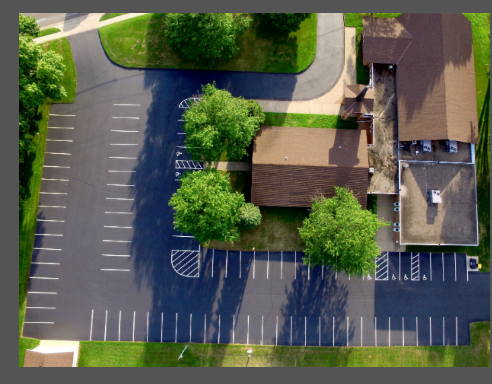
This is where commercial asphalt repair services matter most. They help address isolated damage before the lot reaches a point where larger restoration becomes necessary. However, repair timing matters. If you wait too long, minor surface issues can spread into the base and disrupt a much larger section. So, regular inspections should never sit at the bottom of the task list.
Build a Seasonal Maintenance Rhythm That Matches Real Property Needs
Every commercial lot faces a different pattern of wear. Retail centers deal with steady traffic and turning movements. Office properties may see lighter movement but higher expectations around appearance. Industrial sites often carry heavier loads and more edge stress. Therefore, your checklist should follow both the calendar and the property type.
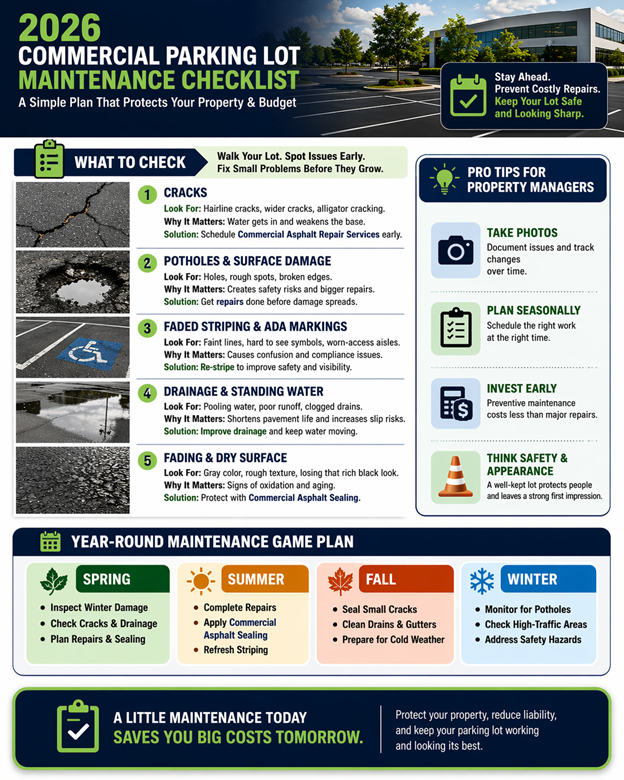
In spring, inspect for winter damage, water intrusion, and new cracking. During summer, plan surface treatments and line striping while conditions stay favorable. In the fall, address drainage issues and seal open cracks before colder weather arrives. In winter, monitor trip hazards, standing water, and wear around entrances.
It also creates a better case for budget approval because you can show why each service belongs in a specific window. Many managers benefit from pairing inspections with photos, notes, and vendor feedback. That record makes decisions faster later.
When the surface begins to dry out, fade, or lose flexibility, commercial asphalt sealing becomes an important part of the schedule. It helps protect the pavement from moisture, oxidation, oil exposure, and daily wear. As a result, the lot holds its appearance longer and resists damage more effectively.
Know What to Prioritize First When Budgets Feel Tight
Most property managers do not get unlimited maintenance budgets. That is why prioritization matters.
- Not every issue demands the same urgency.
- Some problems affect safety right away.
- Others affect long-term conditions.
A useful checklist separates those categories clearly so you can act with confidence.
Here is a simple way to rank parking lot issues:
| Priority Level | What to Look For | Why It Matters | Recommended Action |
| High | Potholes, severe cracks, broken edges, trip hazards | Creates safety risks and liability concerns | Schedule repair first |
| Medium | Faded striping, drainage issues, and pooling water | Reduces usability and speeds up wear | Plan corrective work soon |
| Lower but Important | Surface fading, early oxidation, minor cosmetic wear | Signals aging and future vulnerability | Add to the preventive plan |
This approach keeps attention on what affects people first, then on what protects the pavement next. It also helps when owners or stakeholders ask why one project moved ahead of another. You can point to function, safety, and long-term cost control instead of guessing.
For many properties, the best results come from combining targeted repairs with preservation work. In other words, the smartest plan often blends commercial asphalt repair services with preventive treatments rather than choosing one over the other.
Do Not Overlook Striping, Drainage, and Access Details
Many maintenance plans focus only on asphalt damage. That leaves out several issues that shape how the lot actually performs. Striping, signage, directional flow, and drainage all affect the day-to-day experience. If those details fail, the property feels neglected even when the asphalt itself looks decent.
- Start with drainage. Water remains one of the biggest threats to pavement life.
- If it collects near entrances, stalls, or curbs, it weakens the surface and increases slip concerns.
- Then review the striping visibility. Drivers need to see lanes, arrows, reserved spaces, and loading zones clearly.
- Faded lines make the lot harder to navigate and reduce the professional look of the property.
Also, review accessible spaces and paths of travel. Clear markings and surface consistency matter here. Property managers should treat these items as part of routine upkeep, not separate concerns. That mindset creates a stronger lot overall.
At this stage, commercial asphalt sealing supports the broader appearance and protection strategy. A fresh, protected surface allows striping to stand out better and helps the property maintain a cleaner, more organized impression.
Choose Partners Who Understand Commercial Property Pressures
A checklist works best when the right team supports it. Property managers need contractors who understand timelines, tenant coordination, traffic planning, and phased execution. Good work matters, but so does communication. You need updates, realistic scheduling, and service recommendations that match the property’s condition.
That is why brand fit matters. Black Dawg Sealcoat speaks directly to commercial property needs, including pavement repair, sealcoating, and lot presentation. For managers who need a practical maintenance partner, that kind of service alignment makes planning easier. It also helps turn a one-time project into a more stable property care strategy.
When reviewing vendors, ask specific questions:
- What damage needs immediate repair?
- What can wait?
- Which services extend pavement life most effectively?
- What work can happen in phases?
Clear answers help you make decisions with less friction.
A strong partner will also explain when commercial asphalt repair services make sense on their own and when a broader surface preservation plan should follow. That guidance protects both the property and the budget.
FAQs
What should property managers inspect in a commercial parking lot each season?
Property managers should inspect cracks, potholes, edge wear, drainage, striping, and surface fading. They should also review traffic flow and accessible parking visibility. Seasonal walks make it easier to catch issues early. That keeps repair decisions more manageable.
How often should a commercial parking lot be inspected?
Most commercial lots benefit from routine inspections several times a year. Managers should also inspect after heavy weather, snow events, or high traffic periods. Frequent reviews help identify changes before damage spreads. That improves planning and reduces surprises.
When does sealcoating make sense for a commercial property?
Sealcoating makes sense when the surface begins to fade, dry out, or show signs of weather exposure. It works best as preventive maintenance, not as a fix for major structural damage. Managers should time it as part of a wider upkeep plan. That keeps the lot protected and more presentable.
Can repairs and sealcoating happen as part of the same plan?
Yes, and that often delivers the best outcome. Repairs address active damage first, while surface protection helps preserve the surrounding pavement. The order matters because damaged areas need correction before surface treatments begin. A coordinated plan usually creates better long-term value.
Why does parking lot maintenance matter for tenant and visitor experience?
The parking lot shapes the first impression of the property. If it looks worn, uneven, or confusing, people notice right away. Good maintenance supports safety, traffic flow, and curb appeal. It also reflects stronger overall property management.
How can a property manager build a better maintenance schedule?
Start with seasonal inspections, photo records, and priority rankings. Then match the work to traffic patterns, weather windows, and budget cycles. A trusted contractor can help sequence the right services at the right time. That makes the schedule easier to defend and easier to follow.
Conclusion
A strong parking lot maintenance checklist gives property managers more control over cost, timing, and surface performance. It helps catch small issues before they turn into bigger repairs. It also supports safety, appearance, and daily usability across the property.
When managers combine inspections, repair priorities, drainage review, and surface protection, they create a plan that works far better than reactive patchwork.
For commercial properties that need a practical path forward, Black Dawg Sealcoat offers the kind of service support that fits real maintenance needs.
Explore the right next step, review your current lot condition, and build a plan that keeps the property looking sharp and working hard!