Tattooing has evolved from a niche craft into one of the most sought-after creative careers and personal pursuits of our time. Whether driven by artistic passion or the desire to build a rewarding profession, more people than ever are picking up a tattoo machine for the first time. Yet the very first decision can feel overwhelming: should you invest in a wireless or corded tattoo machine? Each option brings distinct advantages that can shape your learning experience, comfort level, and creative output. For beginners searching for the best wireless tattoo machine, the choice often comes down to understanding how mobility, power delivery, and ease of use align with your goals. This article breaks down the wireless versus corded debate with a clear, practical comparison designed to help newcomers make an informed decision. By examining key features, real-world usability, and the specific needs of someone just starting out, you’ll walk away knowing exactly which type of machine deserves a place in your setup.
Understanding Tattoo Machine Basics: Types and Terminology
A tattoo machine is a handheld device that drives one or more needles into the skin at controlled depths and speeds, depositing ink to create permanent designs. At its core, every tattoo machine relies on a motor or electromagnetic system to move a needle bar in a rapid, repetitive motion. Understanding this fundamental mechanism helps beginners appreciate why different machine types feel and perform so differently in practice.
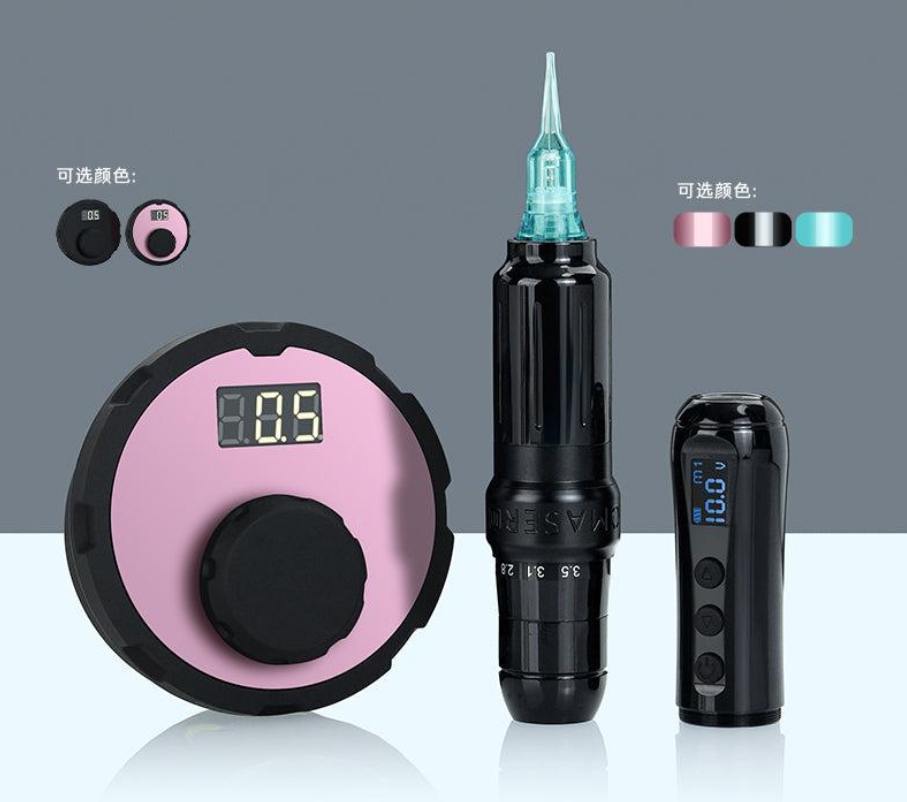
The two primary categories you’ll encounter are coil machines and rotary machines. Coil machines use electromagnetic coils to pull a spring-loaded armature bar, creating the distinctive buzzing sound associated with traditional tattoo shops. Rotary machines, on the other hand, employ a small motor to drive the needle in a smoother, quieter cycle. Within the rotary family, you’ll find pen-style devices that have become increasingly popular for both standard tattooing and specialized applications like permanent makeup. A PMU machine, for instance, is essentially a precision rotary device calibrated for delicate cosmetic procedures such as microblading eyebrows or enhancing lip color.
Key components beginners should familiarize themselves with include the grip (where you hold the machine), the needle cartridge or tube setup, the power source (battery or external supply), and the give mechanism that controls needle depth. Each component influences comfort, precision, and the styles you can achieve.
Coil vs. Rotary: A Quick Overview
Coil machines operate through alternating electromagnetic fields that snap the armature bar back and forth. This produces a hard-hitting needle action favored by many experienced artists for bold traditional work, but it also generates significant noise and vibration. For beginners, the weight of dual-coil setups and the need to tune contact screws and rubber bands can present a steep learning curve. Rotary machines simplify the experience considerably. Their motor-driven mechanism runs quietly, produces less vibration, and typically requires minimal adjustment out of the box. Most modern rotary pens accept universal cartridge needles, making needle changes fast and hygienic. Because rotary machines are lighter and more ergonomic, they reduce hand fatigue during practice sessions—a genuine advantage when you’re spending hours perfecting technique on synthetic skin. For these reasons, the majority of beginner-friendly machines on today’s market are rotary-based, whether wireless or corded.
Wireless vs Corded Tattoo Machines: A Comprehensive Comparison
When choosing your first tattoo machine, the wireless versus corded distinction affects nearly every aspect of your daily workflow. Both configurations use rotary motors and accept standard cartridge needles, but the way they deliver power and integrate into your workspace creates meaningfully different experiences. Beginners often worry about whether a wireless machine can match the performance of a corded setup, and the honest answer is that modern technology has closed the gap significantly—though trade-offs remain on both sides.
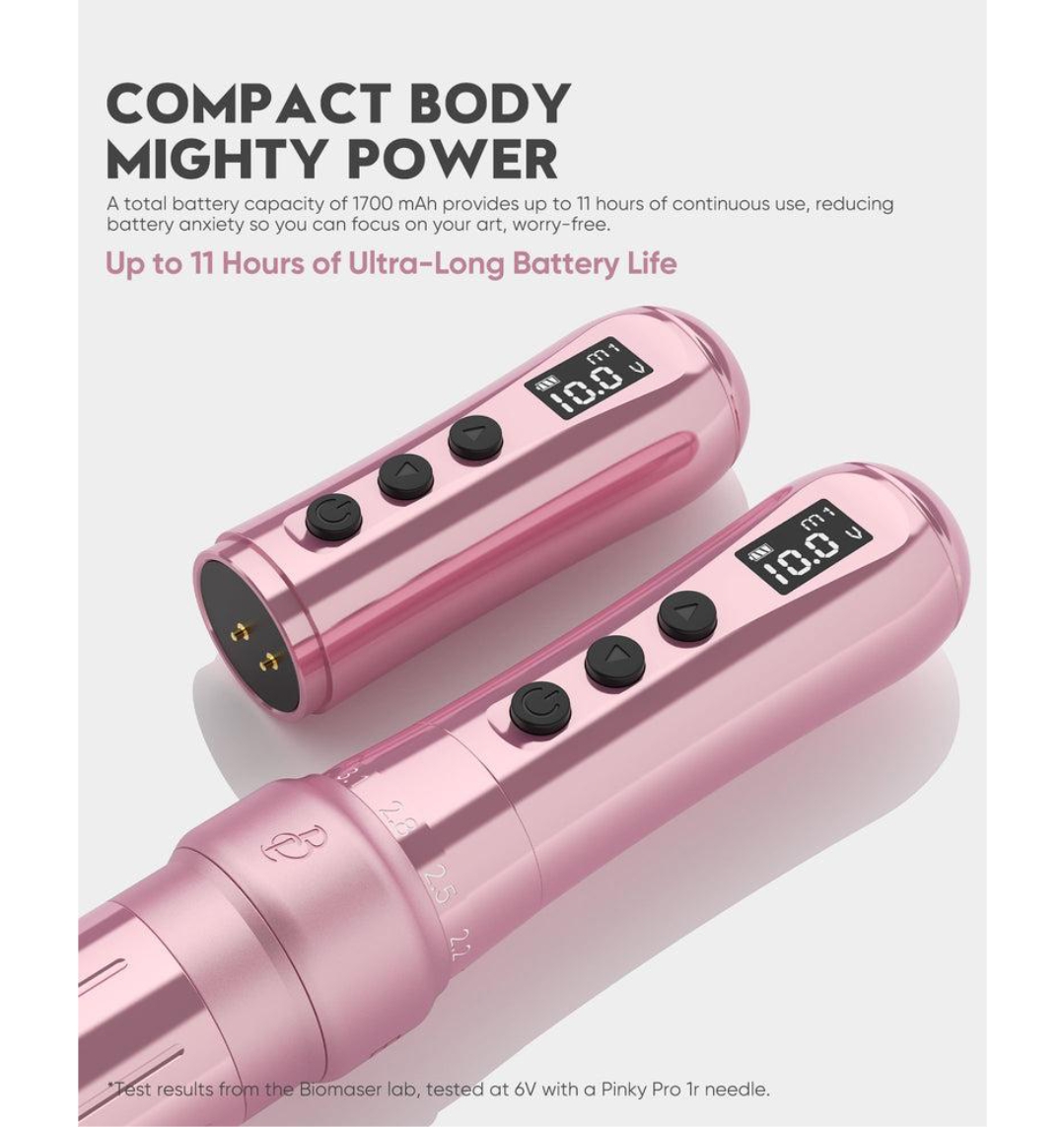
Corded machines draw continuous power from an external supply unit, which means voltage never fluctuates during a session regardless of how long you work. Wireless machines rely on built-in lithium batteries that eventually need recharging, introducing a variable that corded users never face. However, wireless batteries in current-generation devices typically last three to five hours of continuous use, which comfortably covers most beginner practice sessions and even full client appointments. Setup time also differs: a corded machine requires connecting a clip cord or RCA cable to a power supply, then adjusting voltage on a separate unit, while a wireless machine powers on with a button press and often allows voltage adjustments directly on the device or through a companion app.
Advantages of Wireless Tattoo Machines for Beginners
Freedom of movement stands as the most immediate benefit. Without a cord tethering your hand to a power supply, you can reposition around your workstation naturally, reducing awkward angles that lead to inconsistent line work. This cord-free operation also eliminates the risk of snagging cables on your workspace or accidentally pulling the machine mid-stroke—a common frustration for newcomers still developing steady hand control. Wireless machines tend to feature sleek, pen-style bodies that feel familiar in the hand, lowering the intimidation factor for anyone transitioning from drawing on paper to working on skin. Portability matters too; a wireless tattoo machine fits into a small carrying case alongside cartridges and ink, making it easy to practice at different locations or attend guest spots once you advance. For beginners seeking the best wireless tattoo machine, these ergonomic and practical advantages often outweigh the need to monitor battery life.
Advantages of Corded Tattoo Machines for Beginners
Consistent, uninterrupted power delivery is the hallmark strength of corded setups. Because the machine draws from a mains-connected supply, you never experience the subtle power drop that can occur as a wireless battery depletes toward the end of its charge cycle. This stability can matter during long shading sessions where even minor voltage changes affect saturation. Corded machines also tend to carry a lower upfront cost since you aren’t paying for integrated battery technology—though you do need to budget for a quality power supply unit separately. For beginners who plan to work exclusively from a fixed studio space, the cord presents minimal inconvenience while offering the reassurance that the machine will perform identically from the first minute to the last. Additionally, corded setups let you fine-tune voltage in real time on a dedicated power supply with a larger display, giving granular control that some learners find helpful as they experiment with different needle configurations and skin textures.
Essential Features for Beginners: Solving Key Needs
Beyond the wireless versus corded debate, the features built into your machine determine how quickly you develop confidence and range as a tattoo artist. Beginners face a unique set of challenges: they need equipment flexible enough to explore multiple styles without purchasing separate machines for each technique, and they need that equipment to behave predictably so mistakes stem from developing skill rather than unreliable hardware. Three feature categories deserve the most attention when evaluating any machine—stroke adjustability, operational reliability, and noise output.
A machine that handles both lining and shading out of the box saves beginners from the confusion and expense of managing multiple devices early in their journey. Similarly, a machine that maintains consistent needle speed under varying skin resistance builds trust in the tool, freeing you to focus entirely on technique. Noise might seem like a secondary concern, but excessive vibration and sound create tension in your hands and distract your concentration during detailed work. This is especially relevant for anyone exploring permanent makeup applications, where precision at shallow depths demands total focus. Evaluating machines through the lens of these three priorities narrows the field quickly and prevents the common beginner mistake of choosing based on appearance or brand hype alone.
Why Adjustable Stroke Matters for Versatility
The stroke length of a tattoo machine refers to how far the needle travels forward and back during each cycle. A shorter stroke—typically around 2.5 to 3.0 millimeters—moves the needle with quick, controlled precision ideal for fine lines, dot work, and detailed permanent makeup procedures. A longer stroke of 3.5 to 4.0 millimeters drives the needle deeper with more force, packing color efficiently for shading, blending, and filling larger areas. An adjustable stroke feature lets you shift between these ranges on a single device, essentially giving you two machines in one body. For beginners, this versatility is transformative. Instead of committing to one style before you’ve had the chance to experiment, you can practice crisp linework in one session and smooth gradient shading in the next without swapping equipment. Many of the best wireless tattoo machines now include adjustable stroke mechanisms that respond to a simple twist or dial, making real-time changes intuitive even during active practice on synthetic skin.
Ensuring Reliability and Silence for Intricate Work
Reliability in a tattoo machine means the motor delivers consistent power to the needle regardless of how long the session runs or how much resistance the skin presents. For beginners, inconsistent machines create confusion—you might assume your technique caused uneven saturation when the real culprit is voltage fluctuation or motor lag. When evaluating reliability, look for machines with brushless motors, which generate less internal friction and maintain stable RPM across varying loads. Battery-powered models should specify consistent output voltage throughout the discharge cycle rather than tapering off gradually. Noise and vibration tie directly into precision. A loud, shaky machine transmits micro-movements through your grip that blur fine details, particularly problematic during intricate work like PMU machine applications where strokes measure fractions of a millimeter. Quiet machines with dampened vibration let you feel the needle entering skin without competing sensory interference. To assess these qualities before purchasing, seek out video demonstrations where you can hear the machine running, read user reviews that mention long-session performance, and prioritize brands that publish motor specifications transparently. A machine that runs quietly and consistently session after session removes variables from your learning process, allowing every improvement to reflect genuine skill development.
Practical Solutions: Choosing the Best Wireless Tattoo Machine for Beginners
Knowing the differences between wireless and corded machines is only half the equation—translating that knowledge into a confident purchase requires a structured approach. Many beginners fall into the trap of impulse buying based on social media aesthetics or influencer endorsements without evaluating whether a machine actually addresses their specific learning needs. The best wireless tattoo machine for beginners isn’t necessarily the most expensive or the most popular; it’s the one that matches your intended style, offers room to grow, and performs reliably session after session. By following a deliberate selection process and understanding which features matter most at the beginner stage, you can invest wisely and avoid the costly cycle of buying, regretting, and replacing equipment.
Step-by-Step Selection Guide
Start by identifying your tattooing goals. Are you drawn to bold linework, soft shading, or permanent makeup applications? Your answer determines which stroke range and motor strength you need most. Next, prioritize features that directly support learning: adjustable stroke should sit at the top of your list because it lets you practice multiple techniques without additional equipment. Then evaluate battery performance—look for machines offering at least three hours of continuous runtime so sessions aren’t interrupted mid-practice. Read expert reviews and community forums where working artists discuss long-term durability rather than first-impression excitement. Pay attention to comments about motor consistency under load and how the machine handles cartridge changes. Finally, check whether the manufacturer offers trial periods or satisfaction guarantees. A brand confident enough to let beginners test their product signals quality engineering. This methodical approach solves the core beginner need for reliable, versatile equipment by filtering out machines that look impressive but underperform where it counts.
Top Wireless Machine Recommendations
When searching for the best wireless tattoo machine for beginners, focus on models that combine adjustable stroke capability with quiet, brushless motors and ergonomic pen-style grips. Brands like Biomaser have gained recognition in the beauty and PMU space for offering devices with stroke ranges between 2.5 and 4.0 millimeters, giving you full flexibility from precise PMU machine work to bold color packing. Look for devices with intuitive voltage controls built into the body, eliminating the need for external power supplies while still offering the precision adjustments that help you learn how voltage affects needle behavior. Models designed with vibration-dampening housings keep noise minimal, supporting the focused concentration that intricate work demands. Prioritize machines compatible with universal cartridge systems so you aren’t locked into proprietary needle options as your skills expand. A wireless machine meeting all these criteria serves as a single, portable tool that grows alongside your abilities—from first practice on synthetic skin through your earliest real tattoos and beyond.
Choosing the Right Machine to Start Your Tattoo Journey
The wireless versus corded debate ultimately comes down to how you plan to learn and where you see your tattooing journey heading. Wireless machines deliver unmatched mobility, intuitive setup, and ergonomic designs that lower the barrier to entry for newcomers still building hand confidence. Corded machines counter with rock-steady power delivery and lower initial investment, making them a solid choice for anyone committed to a fixed studio environment. Regardless of which power method you choose, prioritize features that accelerate your growth. Adjustable stroke capability remains the single most valuable specification for beginners because it transforms one machine into a versatile tool capable of fine lines, smooth shading, and even permanent makeup applications. Pair that with a quiet, brushless motor and reliable voltage output, and you have equipment that lets your developing skill—not hardware limitations—define your results. Start with a machine that balances versatility and reliability, practice consistently on synthetic skin, and trust that the right tool will grow alongside your ambitions as an artist.