That concern is reasonable. A personal phone number is more than a way to receive texts. It is often connected to banking, work contacts, family conversations, messaging apps, delivery accounts, and recovery settings for important online services. Once that number is shared too widely, it may end up in marketing databases, receive unwanted calls, or become part of a long trail of personal information that is hard to control. For people who work online, test digital products, manage multiple tools, or simply value privacy, using a separate number for verification can be a practical layer of protection.
The Everyday Problem With Using a Personal Number
Most people do not think much about entering a phone number until the side effects begin. A service may only need the number once, but the user may keep receiving promotional messages long after registration. Some websites are trustworthy but temporary; others are unknown until the user has already submitted personal details. Even when a company behaves responsibly, the user still has to decide whether a private number should be attached to another online account.
This is especially important for freelancers, founders, marketers, software testers, and remote teams. They often sign up for tools to compare products, check onboarding flows, validate forms, test SMS delivery, or create accounts for legitimate business operations. Using a personal number for all of that can quickly become messy. It mixes work activity with private life and makes it harder to separate important messages from routine verification codes.
How Virtual Numbers Help
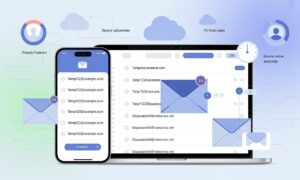
A virtual phone number gives users a cleaner way to receive verification messages without relying on a physical SIM card. Instead of exposing a personal number, the user can choose a number for a specific verification task and view incoming SMS messages online. The concept is simple, but the benefit is meaningful: it creates separation between everyday personal communication and short-term online verification.
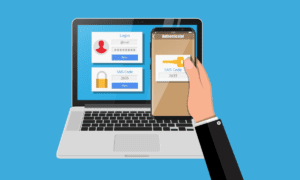
For anyone who regularly needs to complete OTP checks, this approach can save time and reduce friction. There is no need to buy another SIM card, wait for a device to be activated, or use a personal phone for every single platform. Users can keep their own number private while still completing standard verification steps for services that support SMS-based codes.
For example, someone who wants to receive SMS online with US virtual numbers can use a dedicated online number for verification instead of sharing their everyday mobile number with every new platform they try. This is useful for people who need a fast, simple, and privacy-conscious way to receive OTP codes while keeping their personal contact details separate.
Why US Virtual Numbers Are Often Useful
US virtual numbers are popular because many online services, business platforms, SaaS tools, marketplaces, and communication products are built with the US market in mind. A US number can feel familiar to users and platforms alike, especially when the account, workflow, or testing environment is related to American customers. For startups and digital teams, having access to US numbers can also make it easier to test how verification flows behave for users in that region.
This does not mean a virtual number should be used carelessly. The purpose should be legitimate: privacy protection, product testing, account setup where allowed, business workflow checks, or temporary separation from a personal number. Users should always respect the terms of each platform and avoid using any verification tool for impersonation, spam, fraud, or activity that violates service rules. A good privacy tool should support responsible use, not encourage shortcuts.
Common Use Cases for Online SMS Verification
One common use case is product testing. Developers and QA teams may need to confirm whether an app correctly sends verification codes, handles failed attempts, or displays onboarding screens after a successful OTP entry. In these situations, a virtual number can make testing faster and more organized. Instead of asking team members to reuse their own numbers, the team can work with dedicated numbers created for the test environment.
Another use case is evaluating new business tools. A founder or operations manager may want to compare customer support platforms, analytics tools, productivity apps, advertising dashboards, or marketplace accounts. Some of these services request SMS verification before the user can explore the full product. A virtual number lets the user complete that step without turning a personal mobile number into a permanent contact point for every trial account.
Privacy-minded individuals also benefit. Many people want to try online communities, classified platforms, gig apps, or digital services without immediately connecting those activities to a long-term personal number. A temporary number can help them test whether a service is useful before deciding whether to share more permanent contact information.
What to Look for in a Virtual Number Service
Not all SMS receiving tools are equal. The cheapest or most public option is not always the best choice. Open public inboxes can create privacy risks because messages may be visible to other people. A more practical service should make it easy to choose the right number, receive codes quickly, and understand what the service is designed for. Clear pricing, simple navigation, and a focused user experience matter more than flashy claims.
Reliability is also important. When a verification code is sent, the user usually needs it within a short time window. A delayed SMS can mean restarting the signup process or losing access to a limited session. The best experience is one where the user selects a number, sends the code, and receives the message without confusion. Speed, clarity, and consistency are the things users notice most.
Coverage matters as well. Some users need a US number for a specific service, while others may need different types of numbers for different workflows. A platform that clearly explains its focus and gives users an easy way to browse available services can make the process less frustrating. The goal is not just to provide a number, but to help the user complete verification efficiently and responsibly.
Best Practices for Responsible Use
Virtual numbers are most useful when they are used with good habits. Users should keep records of which number was used for which service, especially if they may need to receive another code later. They should avoid using temporary numbers for critical accounts that require long-term recovery, such as primary banking, personal email, or government-related services. For those accounts, a stable personal or business number is usually safer.
It is also wise to read platform rules before using any third-party number for verification. Some services accept virtual numbers, while others may restrict them. Responsible users treat virtual numbers as a privacy and testing tool, not as a way to evade rules. When used in the right setting, they can reduce personal exposure while still supporting normal online verification workflows.
Businesses should also build internal guidelines. A small team might decide when virtual numbers are appropriate, who can access them, and how verification data should be handled. This keeps account creation organized and avoids confusion later. For larger teams, clear documentation can prevent the same number from being reused across unrelated projects or forgotten after a test campaign.
A More Practical Approach to Digital Privacy
Online privacy is often discussed in dramatic terms, but many improvements come from small, practical decisions. Using a different email address for newsletters, enabling two-factor authentication, limiting the personal data shared with new services, and separating personal contact details from temporary online tasks are all simple steps. Virtual phone numbers fit into that same practical mindset.
They are not a replacement for strong passwords, secure devices, or careful judgment. Instead, they solve a specific problem: receiving SMS verification codes without always exposing a personal mobile number. For people who work across many platforms, test products, or prefer to keep their private number private, that specific problem comes up often enough to matter.
Final Thoughts
As more online services rely on SMS verification, users need better ways to manage where their phone numbers go. A personal number should not have to become the default entry pass for every website, app, or trial account. Virtual numbers give users more control by separating verification activity from private communication.
The best approach is balanced. Use virtual numbers for legitimate verification, testing, privacy protection, and short-term workflows. Keep personal or long-term business numbers for accounts that require lasting recovery and high trust. With that mindset, online SMS verification becomes less intrusive and more manageable, while users stay in control of one of their most important pieces of contact information.