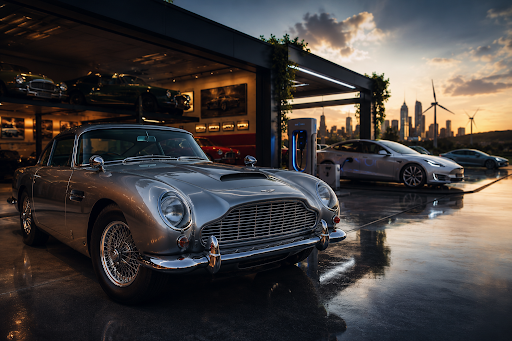
The automotive industry is moving rapidly towards electrification. Governments are introducing stricter emissions regulations, manufacturers are investing heavily in electric platforms, and consumers are increasingly embracing connected, software-driven vehicles. On paper, it might seem like classic cars belong to a fading chapter of automotive history.
Yet the opposite appears to be happening.
Across the UK and beyond, enthusiasm for vintage and classic vehicles remains remarkably resilient. Auction values for well-preserved models continue to rise, restoration culture is thriving online, and younger enthusiasts are increasingly engaging with analogue driving experiences despite growing up in a digital world.
The continued appeal of classic cars reveals something important about automotive culture: while technology changes how people drive, emotional connection still shapes why people care about cars in the first place.
Classic Cars Offer a Different Relationship With Driving
Modern vehicles prioritise convenience, refinement, and digital integration. Advanced safety systems, touchscreen interfaces, AI-assisted driving aids, and near-silent electric drivetrains have transformed the everyday driving experience into something smoother and more efficient than ever before.
Classic cars represent almost the complete opposite.
Driving an older vehicle often requires physical engagement and attention that modern cars deliberately minimise. Steering feels heavier, controls are more mechanical, visibility differs significantly between models, and even simple tasks such as changing gears or parking require greater involvement.
For enthusiasts, this sense of participation is precisely the appeal.
Classic cars create a more direct relationship between driver and machine. The sounds, vibrations, imperfections, and tactile feedback form part of an experience that feels increasingly rare in highly digitised vehicles.
In an era where many products are designed to operate seamlessly in the background, analogue automotive experiences can feel refreshingly intentional.
Nostalgia Plays a Powerful Cultural Role
The appeal of classic cars is also deeply emotional.
Certain vehicles become cultural symbols tied to specific decades, films, family memories, or broader social moments. People are often drawn to older cars not purely because of performance or engineering, but because they represent a feeling connected to a particular time.
Automotive nostalgia has become especially powerful within modern digital culture. As daily life grows increasingly screen-based and software-driven, many consumers seek experiences that feel tangible, physical, and authentic.
Classic vehicles embody that contrast.
They remind people of an era before constant connectivity, algorithm-driven interfaces, and software updates. Even for younger enthusiasts who never lived through those decades, older cars often symbolise craftsmanship, individuality, and simplicity.
This emotional dimension explains why vintage vehicles continue attracting audiences well beyond traditional enthusiast circles. Photography, fashion, cinema, and social media all contribute to keeping classic automotive aesthetics culturally relevant.
Electrification Has Increased Appreciation for Automotive History
Interestingly, the rise of EVs may have strengthened appreciation for older vehicles rather than diminishing it.
As electric cars become more common, classic combustion-engine vehicles increasingly feel historically significant. Certain engines, driving characteristics, and design philosophies are unlikely to return in the same form again, giving older cars additional cultural and emotional weight.
This shift mirrors what often happens during periods of technological transition. When industries evolve rapidly, interest in previous eras frequently intensifies because people become more aware that something distinctive is disappearing.
Classic cars now occupy a space somewhere between transportation, heritage, and industrial art.
Many enthusiasts also view preservation as an important aspect of automotive culture. Maintaining older vehicles keeps engineering history visible in a period where much of the industry is becoming software-focused and standardised.
Sustainability Debates Are More Complex Than They Appear
The relationship between classic cars and sustainability is often discussed in simplistic terms, but the reality is more nuanced.
While older combustion-engine vehicles produce higher emissions than modern EVs, classic cars are generally driven infrequently and maintained over extremely long periods. Some enthusiasts argue that preserving and reusing existing vehicles can form part of a broader sustainability conversation around longevity and responsible consumption.
There is also growing interest in alternative fuels, low-emission conversions, and sympathetic electrification projects that attempt to balance heritage preservation with environmental concerns.
At the same time, many classic car owners view their vehicles less as everyday transport and more as cultural artefacts or hobbyist machines. Their role within the automotive ecosystem differs fundamentally from mass-market commuter vehicles.
The debate ultimately reflects wider tensions between technological progress and cultural preservation — a balance many industries are currently navigating.
Personal Identity Still Drives Enthusiasm
One reason classic cars continue thriving is that they offer strong opportunities for individual expression.
Modern vehicles increasingly share similar interfaces, aerodynamic shapes, and digital ecosystems. Older cars, by contrast, often feel highly distinctive in both design and personality. Even subtle details such as body lines, materials, dashboard layouts, or mechanical sounds create strong emotional identities.
Owners frequently embrace personalisation carefully and selectively. Rather than aggressive modification, many enthusiasts focus on preserving or refining a vehicle’s original character through sympathetic restoration and subtle aesthetic choices.
For drivers who value cohesive presentation, brands such as Number 1 Plates reflect the continued interest in understated automotive individuality that complements the broader character of a vehicle rather than overwhelming it.
This appreciation for detail mirrors wider trends across fashion, architecture, and product design, where authenticity and craftsmanship increasingly hold cultural value.
Classic Cars Have Become Cultural Experiences
The role of classic cars has also evolved beyond ownership itself.
Vintage rallies, concours events, curated road trips, specialist workshops, and online restoration communities have transformed classic motoring into a broader cultural experience. Enthusiasts increasingly engage with older vehicles through storytelling, photography, travel, and social connection as much as mechanical interest.
Social media has amplified this shift dramatically. Younger audiences now discover classic cars through cinematic YouTube restorations, archival photography, and carefully curated automotive content rather than traditional enthusiast publications alone.
As a result, classic car culture has become more visually and culturally integrated into mainstream lifestyle media.
The Appeal of Imperfection
Perhaps the enduring popularity of classic cars ultimately comes down to something simple: imperfection.
Modern vehicles are designed to eliminate friction, noise, unpredictability, and inconvenience wherever possible. Classic cars preserve many of those qualities, and for some enthusiasts that makes the experience feel more human.
Their imperfections create personality.
In an electrified automotive era increasingly defined by seamless software integration and digital precision, classic cars offer a reminder that emotional connection often matters as much as technological progress.
The future of mobility may be electric, connected, and autonomous. Yet the continued appeal of vintage vehicles suggests people will always remain drawn to machines that tell stories, carry history, and make driving feel personal rather than purely efficient.