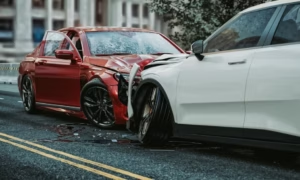
Technological advances like black box data and digital forensics are transforming how evidence is gathered and interpreted in car accident litigation. As courts and insurers increasingly rely on objective electronic data, legal strategies must adapt to these evolving tools. Understanding their impact illuminates the emerging landscape of modern car accident litigation in New Jersey.
The collection and interpretation of black box data and digital evidence are rapidly becoming core elements in car accident cases. These digital records provide new levels of detail about events leading up to collisions, shifting the way legal professionals like Paramus car accident lawyers build and challenge arguments in court. Using such evidence often requires specialized knowledge, years of experience in forensic analysis, and an appreciation for evolving legal standards. For a car accident lawyer, understanding how digital records align with witness accounts can be critical to case strategy. As these tools become more widespread, their role continues to grow in both resolving disputes and supporting fair outcomes for parties involved.
Black box data: capturing crucial evidence from vehicles
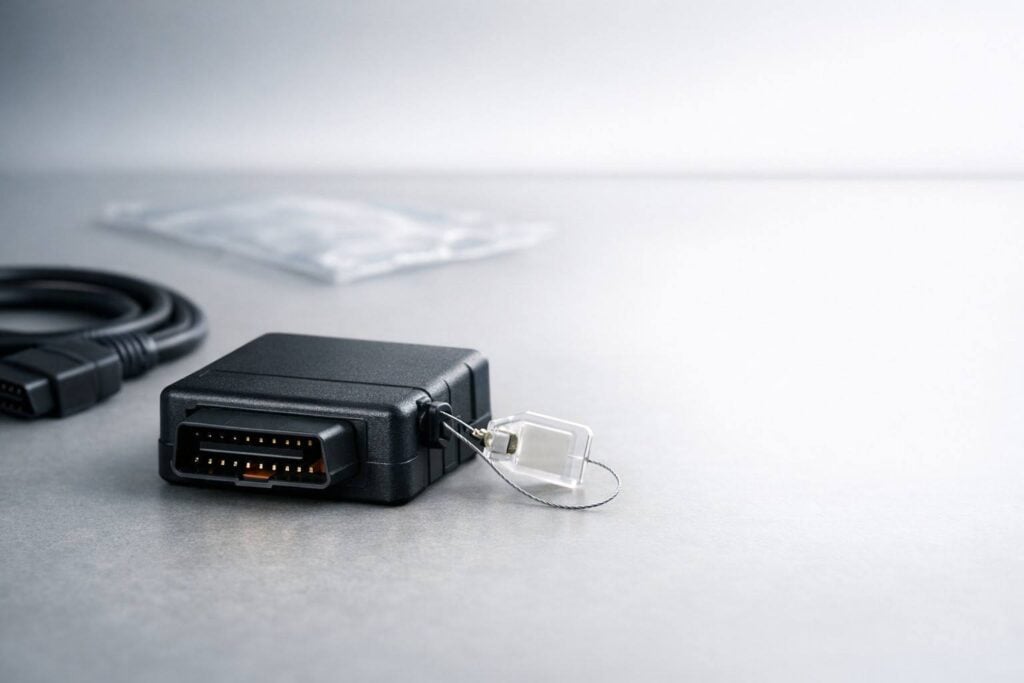
Most modern vehicles are equipped with event data recorders, commonly referred to as black boxes, which capture critical information during a car accident. Data such as speed, braking patterns, seatbelt usage, and airbag deployment are retained and can be retrieved by experts. These digital snapshots often provide an unbiased narrative of the moments leading up to and during a crash, helping clarify disputed circumstances.
Accessing black box data requires strict adherence to protocols to ensure accuracy and chain of custody. Attorneys and accident investigators with years of experience in evidence preservation understand the importance of handling these records properly. In some regions, including New Jersey, privacy regulations dictate how this sensitive data is accessed and used, which can affect admissibility in court.
Digital forensics: reconstructing the accident scene
Digital forensics in car accident litigation goes beyond black box data, encompassing analysis of smartphones, GPS devices, dashcams, and other connected electronics. These devices can reveal detailed information about driver behavior, communication, and vehicle location at critical moments. The combined interpretation of multiple digital sources allows for comprehensive scene reconstruction, supporting or challenging witness testimony and other physical evidence.
Interpreting digital forensics results requires technical expertise and often collaboration between legal and technical professionals. When presenting such evidence, a car accident lawyer must demonstrate its reliability, relevance, and integrity. Courts may consider the methodology used and the qualifications of those conducting the analysis when determining the weight of digital forensic findings.
Implications for legal strategies and future trends in litigation
The growing reliance on black box data and digital forensics is changing how attorneys and courts approach car accident litigation. Evidence once determined mainly by eyewitness accounts or physical damage is increasingly supplemented, or challenged, by objective digital records. This shift has made accurate data interpretation and an understanding of digital technologies essential for legal professionals working on accident cases.
As technology advances and regulations evolve, car accident litigation in places like New Jersey will likely see even broader use of digital evidence. The continued integration of black box and digital forensic data will require both sides in a dispute to keep current with forensic practices and case law. Legal practitioners, whether they have years of experience or are newer to the field, must remain vigilant in adapting their strategies to address the challenges and opportunities these technologies present.