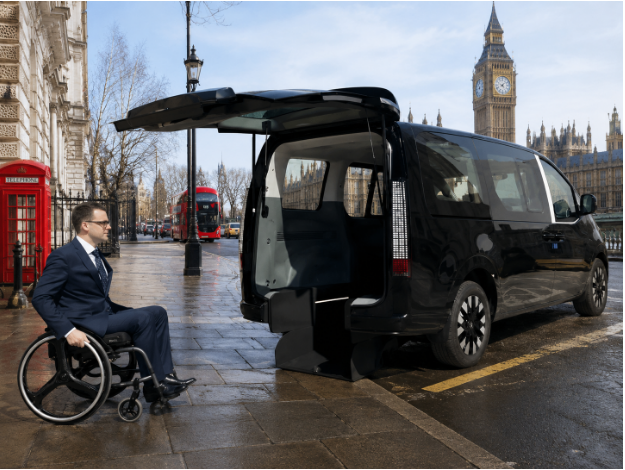
There’s a version of going out that most people never have to think twice about. Grab your keys, walk to the car, drive off. For a lot of people with mobility needs, that simple sequence doesn’t exist, and the gap between those two realities is bigger than most people realize until it affects them directly.
When it’s actually available the moment you need it, not three days later after a round of phone calls, a wheelchair car changes that gap significantly. The whole point of accessible transportation isn’t just getting from A to B. It’s removing the friction that makes people quietly stop trying to go anywhere at all.
Here’s why this matters more than it usually gets credit for, and what actually makes accessible transport work in practice.
The Real Cost of Getting This Wrong
When accessible transport is unreliable, the damage isn’t obvious right away. It builds slowly, and by the time it’s noticeable, the pattern’s already set in.
The Trips That Quietly Get Skipped
Nobody notices the doctor’s appointment that got skipped because arranging transport felt like too much hassle, or the birthday someone missed because a ride couldn’t be figured out in time. It adds up quietly, trip by trip, until skipping becomes the default instead of the exception.
What’s Actually at Stake
This isn’t about convenience. It’s whether someone keeps living a full life or slowly stops trying to, one skipped outing at a time. That’s a much bigger cost than it sounds like on paper.
What Makes Accessible Transport Actually Work
A few specific things separate a service that works from one that just looks good on paper.
Availability When It Counts
A service that exists but takes forty-five minutes to arrive isn’t solving the problem, it’s just moving the frustration somewhere else. Reliable timing during regular commuting hours or weekends is what separates useful from theoretical.
Vehicle Quality That Isn’t Obvious at First Glance
Ramp angle, secure tie-down points, and enough interior space to actually maneuver without straining against the seats around you. A vehicle that’s technically accessible but cramped isn’t much better than having no accessible option at all.
Drivers Who Know What They’re Doing
Someone who secures a wheelchair properly, doesn’t rush the process, and treats it as a normal part of the job rather than an inconvenience, changes the entire trip before it even starts. This part gets underestimated constantly.
Why Cabs Specifically Matter Here
For a lot of people, a wheelchair taxi is the difference between planning a trip a week ahead and deciding to go somewhere on a whim.
The Shift Toward On-Demand Booking
Accessible cabs booked through an app, the same way you’d book any other ride, have quietly changed what spontaneity looks like for people who used to plan around every single outing. That’s not a small shift, it changes how someone experiences an entire week.
Where This Matters Most
That shift counts even more in cities with poor public transport coverage, where the alternative to a reliable accessible cab isn’t really an alternative. It’s staying home, full stop.
Where the Gaps Still Show Up
None of this is fully solved yet, and pretending otherwise doesn’t help anyone plan around what’s actually available.
Coverage Isn’t Even
Service tends to be strongest in city centers and near major hubs, weaker the further out you go. Peak hours still mean longer waits, since there are fewer accessible vehicles relative to demand at any given time.
Accessible Ride, Inaccessible Destination
Getting picked up accessibly doesn’t guarantee the drop-off point is too. Arriving somewhere and actually getting inside are two different problems, and people forget that until it’s happening to them mid-trip.
What This Looks Like Day to Day
A few habits make the difference between a smooth trip and a frustrating one.
Plan a Little, Even When You Don’t Have To
Book ahead where you can, even with better on-demand options now available. Confirm vehicle type rather than assuming, since not every accessible listing means the same setup once it actually arrives.
Check Both Ends of the Trip
Look at the destination itself, not just the ride getting you there, especially somewhere unfamiliar. A great vehicle doesn’t help much if you can’t actually get inside where you’re going once you arrive.
Conclusion
Accessible transportation isn’t a nice extra. It’s the thing standing between someone living a full life and slowly retreating from one. The improvements in this space have made a real difference, but the gaps that remain still matter, and knowing where they are beats assuming everything’s already solved.
Push for the transport options that actually work for you, plan around what still falls short, and don’t settle for less than what comfortable, reliable travel should look like.