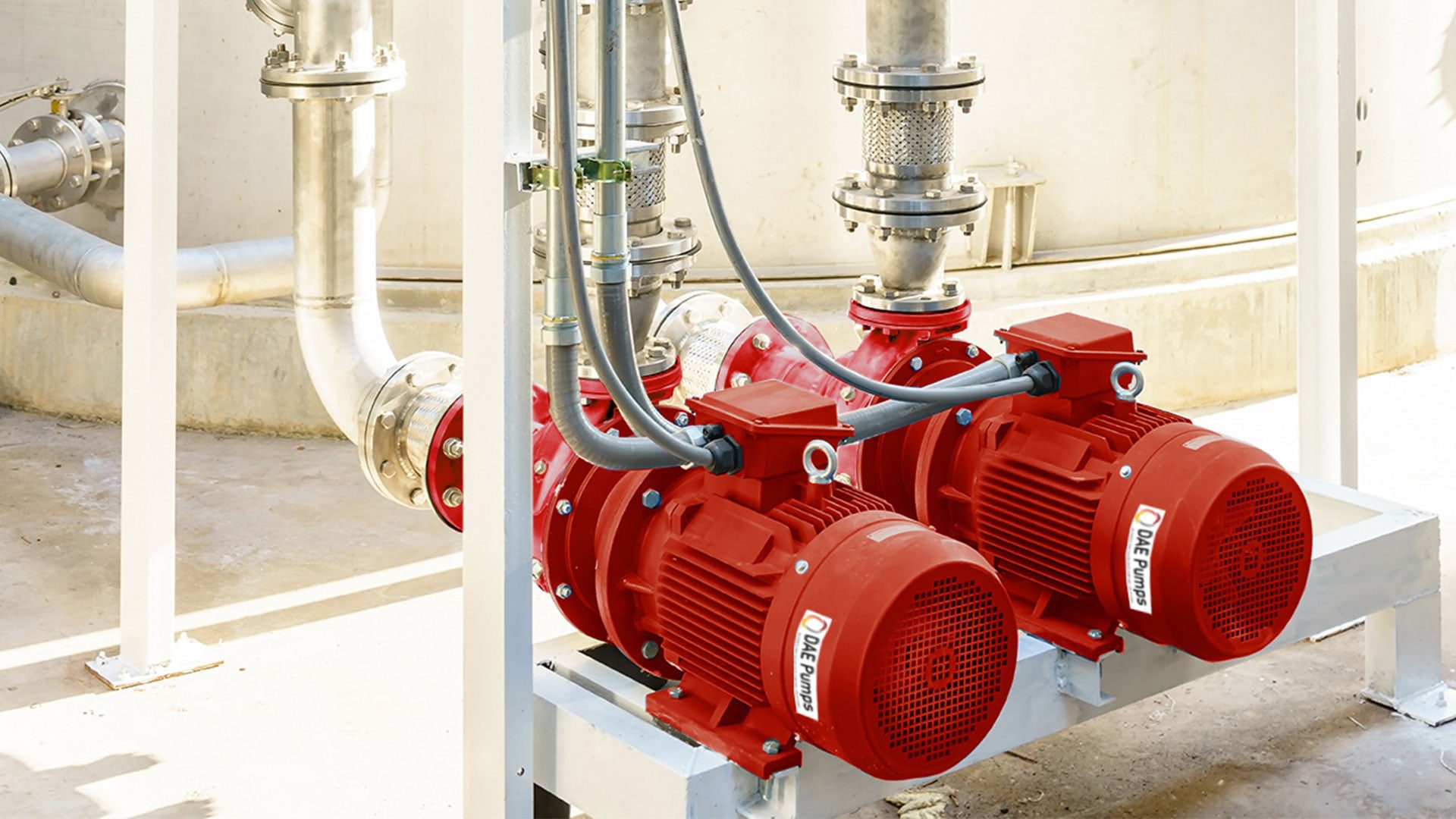
High-volume industrial processes demand consistent, uninterrupted fluid movement. Whether handling chemicals, wastewater, cooling systems, or process liquids, insufficient flow capacity can create bottlenecks, pressure instability, and operational inefficiencies.
That’s why selecting the right 1000 gpm pump is critical for facilities managing large-scale fluid transfer. When operations require moving thousands of gallons per minute reliably, pump performance directly impacts productivity, safety, and cost control.
The Challenge: Managing High Flow Rates Without Compromise
Industries that handle large fluid volumes often face:
- Flow restrictions
- Pressure fluctuations
- Cavitation risks
- Energy inefficiencies
- Equipment wear due to undersized pumps
When a pump is not designed for high-capacity operations, it leads to:
- Reduced throughput
- Overworked motors
- Increased maintenance
- System downtime
A properly engineered 1000 GPM pump addresses these issues by delivering consistent high-flow performance.
What Does 1000 GPM Mean?
GPM (gallons per minute) measures how much fluid a pump can move within one minute.
A 1000 GPM pump is designed to:
- Transfer 1000 gallons of fluid per minute
- Maintain stable flow under industrial pressure demands
- Handle continuous-duty applications
This capacity makes it suitable for operations where large-scale transfer is essential.
Industries That Require 1000 GPM Pumps
1. Chemical Processing Plants
Chemical facilities often require high-volume circulation for:
- Reactor feeding
- Cooling systems
- Bulk chemical transfer
- Effluent movement
High-flow pumps ensure safe and stable process control.
2. Water and Wastewater Treatment
Municipal and industrial treatment plants rely on large-capacity pumps for:
- Raw water intake
- Sludge handling
- Effluent discharge
- Filtration systems
Consistent flow prevents system overload and maintains regulatory compliance.
3. Power Generation Facilities
Power plants use high-volume pumps for:
- Cooling water circulation
- Boiler feed systems
- Condensate transfer
A 1000 GPM pump supports uninterrupted energy production.
4. Oil and Gas Operations
Upstream and downstream facilities often require high-capacity pumps for:
- Hydrocarbon transfer
- Refinery circulation
- Pipeline boosting
Durability and consistent flow are critical in these demanding environments.
Key Benefits of Using a 1000 GPM Pump
1. Maintains Process Efficiency
High-capacity pumps prevent bottlenecks and ensure fluid moves at required flow rates, supporting stable production output.
2. Reduces Operational Downtime
Properly sized pumps reduce strain on motors and components, minimizing unexpected breakdowns.
3. Improves Energy Efficiency
Modern industrial pumps are engineered for optimized hydraulic performance. A correctly specified 1000 GPM pump avoids overloading and reduces wasted energy.
4. Enhances System Reliability
Consistent flow improves:
- Pressure balance
- Temperature control
- Equipment lifespan
- Overall system stability
Reliability strengthens operational confidence.
5. Handles Demanding Fluid Conditions
Depending on design and material construction, these pumps can manage:
- Corrosive chemicals
- Abrasive slurries
- High-temperature liquids
- Viscous fluids
Material compatibility is essential in industrial environments.
Design Considerations When Selecting a 1000 GPM Pump
Choosing the right pump involves evaluating:
- Head pressure requirements
- Fluid type and viscosity
- Temperature range
- Corrosion resistance
- Installation configuration
- Motor power and efficiency
Proper engineering alignment ensures long-term performance and safety.
Avoiding Common Mistakes
Using an undersized pump can lead to:
- Excessive wear
- Frequent maintenance
- Flow instability
- Increased energy costs
Oversizing without proper system design can also waste energy and increase capital expense.
Accurate system analysis ensures optimal pump selection.
Final Thoughts
High-volume industrial operations depend on reliable fluid transfer. When processes require continuous, large-scale flow, performance cannot be compromised.
A properly engineered 1000 gpm pump delivers the capacity, durability, and efficiency needed for demanding industrial applications. By selecting the right pump for your operational requirements, you improve productivity, reduce downtime, and strengthen long-term system reliability.
In high-volume environments, flow performance defines operational success.