Trees play a defining role in residential and commercial landscapes. They frame homes, provide cooling shade during warmer months, reduce wind exposure, and contribute to cleaner air. Mature trees can increase property value and create a sense of permanence that younger plantings cannot replicate. For many property owners, a well maintained yard with established trees reflects pride of ownership and thoughtful stewardship. Yet the same trees that enhance curb appeal can gradually become liabilities when age, disease, or storm damage compromise their structure.
Determining when a tree should be removed is rarely straightforward. Many homeowners struggle to distinguish between issues that can be corrected through pruning or treatment and those that signal deeper structural instability. A leaning trunk, cracked bark, or thinning canopy may look manageable at first glance. Without professional insight, it becomes difficult to judge whether the tree poses an immediate risk or can be preserved safely.
Delaying a decision can carry significant consequences. Weak limbs may fall unexpectedly, root systems can interfere with foundations, and severe weather may turn minor defects into major hazards. Property damage, personal injury, and potential liability often stem from problems that were visible long before an incident occurred. Proactive evaluation protects not only the landscape but also the people who live and work around it.
Professional Tree Removal services provide clarity in these situations. Trained crews assess structural integrity, environmental impact, and safety considerations before recommending a course of action. Companies such as Precision Mow and Snow approach property care with close attention to detail and a strong commitment to client satisfaction, helping homeowners make informed, practical decisions that prioritize long term safety over short term convenience.
Recognizing the Warning Signs of a Hazardous Tree
Spotting early warning signs is the foundation of responsible tree management. Trees rarely collapse without first displaying indicators that something is wrong. Some of these signs are obvious, while others develop gradually and can be easy to dismiss as minor imperfections. Property owners who understand what to look for are better equipped to take action before a small concern becomes a safety emergency. Paying attention to subtle structural and biological changes can significantly reduce the risk of sudden failure.
One of the most noticeable red flags is a developing lean. While certain species naturally grow at slight angles, a recent or progressive shift in position often signals root instability or soil movement. Cracked, peeling, or splitting bark along the trunk may reveal internal stress or structural weakness. Large cavities, hollow sections, or visible decay indicate that the tree’s core strength may be compromised. These structural defects reduce the tree’s ability to support its own weight, especially during adverse weather conditions.
The canopy offers additional clues about overall health. Dead or hanging branches, thinning foliage, and areas that fail to produce leaves during the growing season often point to decline. Fungal growth near the base of the trunk, such as mushrooms or woody conks, can suggest internal rot spreading upward. Construction damage to roots, exposed root systems, or soil disturbances around the base may further weaken anchorage. Even when the trunk appears solid, root damage can undermine stability from below.
Seasonal weather often magnifies existing weaknesses. Heavy snow and ice accumulation add significant weight to branches, increasing stress on already compromised limbs. Strong winds test the flexibility and anchorage of the entire structure. What seems stable during calm conditions may fail under pressure when environmental forces intensify. Professional inspection provides a thorough evaluation of structural soundness and hidden decay. Early intervention helps protect property, prevent injury, and preserve the overall integrity of the landscape.
The Hidden Risks of Diseased or Infested Trees
Tree diseases and insect infestations rarely announce themselves with dramatic warning signs. In many cases, damage develops slowly and quietly beneath the surface. By the time a tree begins to look unhealthy, structural integrity may already be compromised. This gradual decline makes early awareness essential for property owners who want to protect their landscape. Understanding the hidden risks allows for timely decisions that reduce long term damage and safety concerns.
- Internal decay caused by fungal infections: Fungal pathogens can spread through a tree’s vascular system, disrupting the movement of water and nutrients. As decay advances, the structural fibers within the trunk and branches begin to weaken. Over time, this hidden deterioration reduces the tree’s ability to withstand wind and seasonal stress.
- Insect infestations that undermine structural strength: Wood boring insects tunnel beneath the bark, feeding on inner layers that support growth and stability. These tunnels create entry points for moisture and additional pathogens. The cumulative effect gradually weakens the trunk from the inside out.
- Root rot and compromised anchorage: Excess moisture, poor drainage, and soil borne fungi can cause root systems to decay. When roots deteriorate, the tree loses the firm anchorage needed to remain upright. A tree may appear stable above ground while its foundation silently fails.
- Visible canopy symptoms that signal deeper issues: Leaf discoloration, thinning foliage, and premature leaf drop often indicate systemic stress. While some conditions can be treated if caught early, others progress too rapidly for recovery. Nearby trees may also become vulnerable if infestations spread unchecked.
Ignoring these warning signs can lead to sudden and unpredictable failure. Diseased wood becomes brittle, making branches more likely to snap without notice. Infested trunks lose the resilience required to endure storms or heavy snow. Professional evaluation clarifies whether treatment is still possible or if removal offers the safest path forward. Prompt action protects surrounding structures and preserves the overall health of the landscape.
Storm Damage and Emergency Response Planning
Severe weather is one of the most common triggers for sudden tree failure. High winds, heavy snow, ice accumulation, and lightning strikes can transform a stable landscape feature into an immediate hazard. Even healthy trees may lose limbs during intense storms, while weakened or aging specimens face a much higher risk of collapse. For property owners, the aftermath of a storm often reveals vulnerabilities that were previously hidden. Understanding how storm damage affects trees is essential for planning a timely and effective response.
Wind exerts tremendous force on a tree’s canopy and trunk. When gusts exceed structural tolerance, branches may snap or entire trees can uproot, especially if soil conditions are saturated. Ice buildup adds significant weight to limbs, increasing strain and causing fractures that may not be fully visible from the ground. Lightning strikes can split trunks or disrupt internal moisture channels, leaving long term structural instability even if the tree remains standing.
Emergency situations require careful coordination. A fallen tree blocking a driveway or resting against a structure demands prompt attention to prevent further damage. However, rushed attempts to cut or move debris without proper equipment can increase the risk of injury. Power lines entangled in branches present additional hazards that must be handled by trained professionals.
An organized emergency response plan minimizes confusion and protects both property and people. Professional crews evaluate the stability of damaged trees, remove dangerous limbs in a controlled manner, and secure the surrounding area. Rapid yet measured action reduces secondary damage and restores safety following severe weather events.
Structural Threats to Homes, Driveways, and Utilities
While a tree’s canopy often captures the most attention, its root system can present equally serious challenges beneath the surface. Roots naturally extend outward in search of moisture and nutrients, sometimes spreading well beyond the visible drip line. This underground expansion is gradual and typically unnoticed until visible damage begins to appear. Over time, roots can press against foundations, lift concrete, and interfere with buried infrastructure. What begins as healthy growth can slowly evolve into a costly structural concern.
Foundations are especially vulnerable when large trees are planted too close to homes or commercial buildings. As roots thicken, they exert steady pressure against foundation walls, contributing to hairline cracks that gradually widen. In regions where soil moisture levels fluctuate throughout the year, roots may also absorb water from beneath the structure. This shifting moisture balance can cause soil to contract or expand unevenly, leading to subtle settling issues. Left unchecked, these small changes may compromise structural stability and require extensive repairs.
Hardscaped surfaces often reveal the first outward signs of root intrusion. Driveways, sidewalks, and patios can become uneven as roots push upward from below. Raised slabs not only diminish curb appeal but also create tripping hazards for residents and visitors. Underground utilities face similar risks. Roots are naturally drawn to moisture and may infiltrate small cracks in sewer lines or water pipes, eventually causing blockages, leaks, and the need for excavation.
Addressing root related damage requires careful assessment rather than quick fixes. Cutting exposed roots without understanding their structural role can further destabilize the tree. Removing too many support roots may increase the likelihood of toppling during storms or high winds. In cases where damage continues to escalate despite mitigation efforts, complete removal may offer the safest long term solution. A thorough professional evaluation helps determine whether preservation remains viable or whether protecting the home and infrastructure must take priority.
Safety Considerations and Liability Risks for Property Owners
Owning property involves more than maintaining curb appeal or managing seasonal upkeep. Safety remains one of the most important responsibilities tied to home and land ownership. Trees that exhibit signs of decline or instability can quickly shift from attractive landscape features to serious hazards. Without proper monitoring, weakened limbs or compromised trunks may fail without warning. Recognizing the legal and financial implications of neglected trees encourages thoughtful and preventative action.
- Risk of personal injury and property damage: Weak branches or unstable trunks can fall unexpectedly, especially during storms or high winds. Injuries to family members, visitors, or tenants may occur if hazardous trees are left unaddressed. Vehicles, roofs, fences, and outdoor structures can also sustain costly damage.
- Potential financial liability for negligence: Homeowners may be held responsible if it can be shown that visible warning signs were ignored. Insurance coverage may be reduced when prior decay or instability was evident but not addressed. Proactive maintenance demonstrates reasonable care and reduces exposure to claims.
- Importance of documented professional assessments: Regular inspections by qualified professionals provide clear records of a tree’s condition. These assessments show that the property owner has taken appropriate steps to manage risk. Documentation can become crucial if disputes arise following an incident.
- Shared responsibility near public and neighboring spaces: Trees located along sidewalks, streets, or property lines require careful oversight. A falling limb that impacts public walkways or adjacent properties can create legal complications. Responsible management protects community relationships and limits broader risk.
Taking a preventative approach strengthens both safety and peace of mind. Timely evaluations allow issues to be addressed before they escalate into emergencies. Professional guidance helps homeowners understand when pruning, treatment, or removal is the safest option. Precision Mow and Snow provides attentive property care with a strong focus on safety and client satisfaction. By prioritizing long term stability, property owners create secure environments that balance beauty with responsibility.
The Professional Tree Removal Process Explained Step by Step
Removing a tree is a carefully coordinated process that prioritizes safety, efficiency, and protection of surrounding property. Each stage follows a logical sequence to prevent accidents and minimize disruption. Professional crews rely on training, planning, and specialized equipment rather than guesswork. Understanding each step helps property owners appreciate the level of care involved. The process unfolds methodically from initial assessment to final cleanup.
- Step 1: Comprehensive Site Evaluation
The process begins with a detailed inspection of the tree and its surroundings. Professionals evaluate height, trunk condition, lean angle, canopy spread, root stability, and nearby structures or utility lines. This assessment determines the safest removal strategy and identifies potential hazards before work starts. - Step 2: Permits and Regulatory Compliance
In certain municipalities, permits or formal notifications may be required prior to removal. Regulations often apply to large, heritage, or protected species. Securing proper approvals ensures the project complies with local laws and avoids unnecessary penalties. - Step 3: Site Preparation and Safety Setup
Crews establish designated safety zones to keep people and property protected during operations. Equipment such as lifts, cranes, rigging ropes, and protective barriers is positioned strategically. Surrounding landscaping, fences, and hardscapes are shielded to prevent accidental impact. - Step 4: Controlled Sectional Cutting
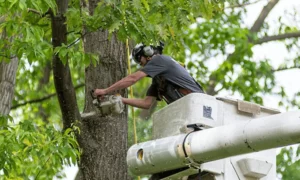
Removal typically begins at the top of the tree and progresses downward in manageable sections. Branches are secured with ropes or rigging systems to guide them safely to the ground. This technique prevents sudden weight shifts that could cause uncontrolled falls. - Step 5: Trunk Dismantling and Stump Grinding
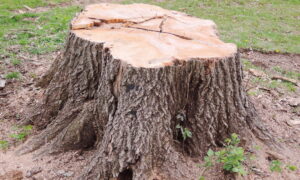
Once upper sections are cleared, the trunk is cut into smaller segments for safe removal. The remaining stump can be ground below surface level to prepare the area for future landscaping. Grinding also reduces tripping hazards and discourages pest activity. - Step 6: Debris Removal and Site Restoration
All wood, branches, and debris are cleared from the property. The area is inspected to ensure cleanliness and safety. Final restoration leaves the landscape neat and ready for the next phase of use or planting.
Professional Tree Removal is not a single action but a sequence of coordinated steps. Each phase builds upon the previous one to maintain safety and structural control. Careful planning prevents unnecessary damage and reduces liability risks. Skilled execution protects both workers and property owners. A systematic approach ensures the job is completed thoroughly and responsibly.
Why DIY Tree Removal Is Riskier Than Most Homeowners Realize
At first glance, cutting down a tree may appear manageable with basic tools and a bit of determination. Hardware stores rent chainsaws, and countless online tutorials present the task as a straightforward weekend project. This perception often creates a false sense of confidence, especially when the tree appears small or accessible. In reality, tree removal involves complex mechanical forces that are not immediately visible to the untrained eye. Weight distribution within the trunk, internal decay, wind direction, and surrounding obstacles all influence how a tree will react once cutting begins.
Even a slight miscalculation in cutting angle or depth can dramatically alter the direction of a fall. Trees do not always fall where intended, particularly if they contain hidden rot or uneven mass within the canopy. What seems like a simple downward cut can trigger splitting, sudden twisting, or unpredictable shifts in balance. Without professional planning and experience, small errors can escalate into serious accidents within seconds.
Chainsaw injuries remain one of the most common risks associated with do it yourself attempts. Kickback can occur when the blade tip contacts solid wood unexpectedly, forcing the saw upward toward the operator. Blade binding, loss of footing, or fatigue can further reduce control during operation. Protective gear offers some defense, but it cannot replace technical knowledge or hands on training.
Working at height introduces additional hazards. Removing upper limbs often requires ladders, which can become unstable on uneven ground. Branches under tension may snap suddenly, causing falls or direct impact injuries. In confined residential spaces, nearby homes, vehicles, and utility lines add further complexity. Electrical wires pose particularly serious threats if contacted by falling branches.
Professional crews rely on specialized rigging systems, safety harnesses, and coordinated communication to dismantle trees in controlled sections. They understand how to manage tension, redirect falling limbs, and anticipate shifting weight. What begins as an attempt to save money can quickly result in property damage or medical expenses. Entrusting removal to trained specialists significantly reduces preventable risk and ensures the job is handled with precision and care.
Environmental Responsibility and Sustainable Disposal Practices
Environmental responsibility is an essential consideration whenever a tree must be removed. Trees contribute to wildlife habitat, improve air quality, reduce erosion, and enhance the overall ecological balance of a property. Because of these benefits, removal decisions should always involve thoughtful evaluation rather than convenience. When safety hazards, disease, or structural instability make removal necessary, the focus shifts toward minimizing environmental disruption. Sustainable disposal practices ensure that the surrounding landscape continues to benefit even after the tree is gone.
- Responsible Wood Recycling: Rather than transporting all debris to landfills, many professional services prioritize repurposing usable wood. Trunks and large limbs can be processed into mulch, split into firewood, or milled into lumber depending on their condition. This approach reduces environmental waste and allows natural materials to continue serving practical purposes.
- Mulch Production and Soil Health Support: Wood chips created during removal can be redistributed across garden beds and landscaped areas. Mulch improves soil moisture retention, moderates temperature fluctuations, and suppresses weed growth. As organic matter gradually decomposes, it enriches soil structure and supports healthier plant development.
- Stump Grinding and Site Restoration: Leaving a stump in place can invite insects, promote fungal growth, and create tripping hazards. Grinding the stump below surface level allows the soil to be leveled and prepared for reseeding or replanting. Over time, the remaining wood fibers break down naturally, returning nutrients to the ground.
- Preventing Disease and Infestation Spread: Removing severely infected trees can help protect surrounding healthy vegetation. Proper handling and disposal of diseased wood reduces the risk of pathogens spreading throughout the property. Strategic removal may therefore preserve the long term vitality of the broader landscape.
- Thoughtful Replanting and Landscape Planning: In many cases, replacing a removed tree with a more suitable species maintains canopy coverage. Selecting trees appropriate for soil conditions and available space reduces future structural conflicts. Careful planning ensures that environmental benefits continue without repeating past risks.
Balancing safety with stewardship requires careful judgment and professional guidance. Sometimes removal is the most responsible option to prevent wider ecological damage or protect nearby structures. In other cases, preservation and treatment may remain viable. Environmental responsibility does not mean avoiding removal at all costs. It means making informed, forward thinking decisions that protect both people and the natural landscape for years to come.
Cost Factors That Influence Tree Removal Pricing
Understanding what influences the cost of tree removal allows property owners to plan carefully and avoid surprises. Pricing is rarely based on a single flat rate because every tree and property presents different challenges. Several variables determine the total investment required to complete the job safely and efficiently. While affordability is important, it should always be considered alongside expertise, equipment, and risk management. A thorough estimate reflects the complexity of the situation rather than a simple per tree charge.
- Tree Size and Overall Dimensions: Height, trunk diameter, and canopy spread significantly affect the scope of work. Larger trees require more labor time, additional crew members, and specialized equipment to dismantle safely. As size increases, so does the level of planning and technical precision needed for controlled removal.
- Tree Condition and Structural Stability: A healthy, upright tree is often easier to remove than one that is decayed or leaning. Compromised trees may require extra safety measures to prevent unpredictable shifts during cutting. Additional precautions increase labor and equipment needs, influencing final costs.
- Location and Accessibility: Trees located near homes, fences, garages, or utility lines demand careful sectional cutting. Limited yard access can restrict the use of heavy equipment, requiring more manual labor. Tight spaces and nearby obstacles increase the complexity of the operation.
- Emergency or Storm Response Needs: Urgent situations following storms often require rapid scheduling and immediate deployment of crews. After hours or emergency calls may include additional service fees. The urgency of the response directly impacts pricing considerations.
- Additional Services and Cleanup Requirements: Stump grinding, debris hauling, and site restoration are frequently separate components of an estimate. Some property owners may request wood splitting or complete landscaping restoration after removal. Clear communication about these services ensures transparency and prevents misunderstandings.
Investing in professional removal often represents a significant decision for homeowners. However, the cost reflects the skill, safety standards, and equipment necessary to protect property and people. Attempting shortcuts can lead to expensive repairs or liability issues later. Transparent estimates allow for informed budgeting and realistic expectations. When viewed as a long term protective measure, professional tree removal becomes a practical and responsible investment.
Conclusion: Making Informed Decisions for Long Term Property Protection
Trees enrich residential and commercial landscapes in ways few other features can. They provide shade, visual character, and environmental benefits that enhance daily life. Yet even the healthiest trees require periodic evaluation to ensure they remain assets rather than liabilities. Recognizing early warning signs, understanding disease progression, and assessing storm vulnerability empower property owners to act responsibly.
Delaying necessary action often increases risk. Structural weaknesses can intensify under seasonal stress, and hidden decay may lead to sudden failure. By seeking professional evaluation at the first indication of concern, homeowners protect both their investment and the people who use the space. In some situations, preservation through pruning or treatment remains possible, but in others removal becomes the most prudent course.
Working with a dedicated property maintenance team makes this decision less daunting. Precision Mow and Snow supports homeowners and businesses with attentive service and a strong commitment to quality care. Their approach emphasizes safety, careful assessment, and respect for the broader landscape. Clients benefit from a partnership focused on long term property health rather than short term fixes.
Ultimately, informed decision making defines responsible ownership. Removing a tree is never undertaken lightly, yet when safety, structural integrity, and environmental balance are at stake, it can be the most thoughtful choice. Careful planning today ensures a secure, resilient landscape for years to come.