
What is a community bank?

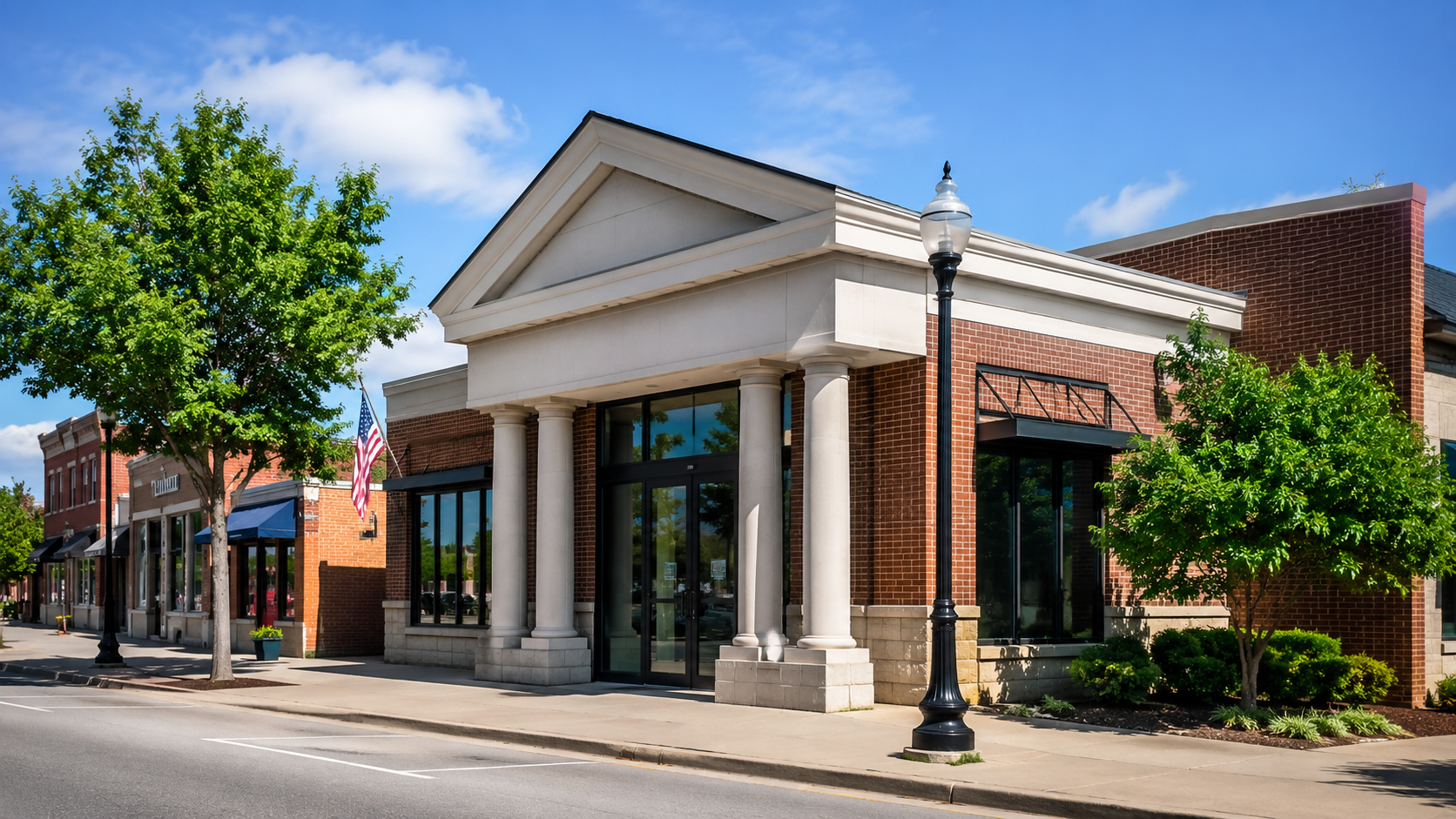
A community bank is a local financial institution built to serve the people, businesses, and neighborhoods around it, not a national customer base spread across thousands of miles. For a concrete example, https://www.ccb-idaho.com/ shows how a local Idaho bank presents checking, lending, mortgage help, and branch access as part of one relationship. That local orientation is what usually separates a community bank from a giant national brand.
Community banks are built around local relationships
At the simplest level, a community bank gathers deposits from local customers and turns those funds into loans and financial services for the same region. Instead of chasing global scale, it focuses on everyday needs like savings accounts, checking accounts, debit cards, credit cards, mortgage lending, business accounts, and customer support that people can actually reach.
The term does not have one single legal definition in every context, but federal regulators often treat community banks as smaller institutions with a local footprint. The Federal Reserve, for example, says its community bank supervision portfolio includes institutions with less than $10 billion in total assets. That does not mean every bank under that line looks the same, but it does show the general profile: smaller than the national giants, closer to the communities they serve, and more concentrated on traditional banking.
This local structure changes the way the bank operates. A branch is not just a storefront. It is often where customers open personal accounts, ask about interest rates, discuss savings goals, apply for loans, get help with payments, or solve an issue with an ATM or online transaction. The relationship tends to be practical and ongoing, which matters when people want guidance instead of a call center script.
That practical role is also why community banks often become part of daily routines in a way larger institutions do not. Customers may stop in to verify funds, ask about security on a debit card, move money between accounts, or get quick support before closing on a home or launching a business. The service is still financial, but it often feels more like local support than remote processing.
Lending decisions stay closer to the customer
One of the most important features of a community bank is relationship lending. Large institutions often rely heavily on centralized systems, broad scorecards, and standardized approval models. Community banks still use data and underwriting discipline, but they often add local knowledge to the decision.
That difference matters for a first mortgage, a small business expansion, a farm loan, or working capital for a neighborhood company. A lender who understands the local economy, seasonal cash flow, property values, and customer history can sometimes see strength that a distant system misses. This is one reason regulators and industry sources regularly describe community banks as important lenders for small businesses, construction, commercial real estate, and local development.
Community banks also tend to recycle money back into the places where deposits originate. When local households and businesses place funds into checking or savings accounts, those deposits can help support local credit, local investment, and local job creation. That does not make every loan easy or automatic, but it does create a tighter connection between the bank, the borrower, and the surrounding economy.
Traditional banking services remain the core offering
People sometimes assume a community bank only offers the basics, but the basics are exactly what most customers need every week. Typical services include personal and business checking, savings accounts, certificates of deposit, debit cards, online banking, bill pay, consumer loans, mortgage loans, and business lending. Many also support payments, transfers, cash management, and financial tools that make daily transactions simpler.
Some community banks expand further into retirement accounts, trust services, or investment support, though the exact menu varies by institution. The core point is not whether the bank offers every specialty product in the financial world. It is whether it handles the personal, business, and lending services that drive real life in the community.
That focus can create a better experience for customers who want clarity. Instead of navigating a giant product catalog, they get a banking relationship built around deposit needs, borrowing plans, security, support, and access to people who understand the market they live in.
Citizens Community Bank shows the model in practice
Citizens Community Bank is a useful example because it presents itself clearly as a community bank serving Eastern Idaho. Public information identifies the bank as based in Pocatello, and its locations page says it has eleven branch locations in Eastern Idaho. Its website highlights personal banking, business banking, free checking, home lending, and digital banking support.
That mix is exactly what many people should expect from a community institution. Customers may need a branch for account help, a mortgage lender for a home purchase, commercial loan support for a business, or digital access for everyday money management. CCB brings those services together under one local brand rather than treating them as separate worlds.
It also reflects the safety and structure people expect from a bank, including Member FDIC status and Equal Housing Lender language in public materials. Company profiles have also described Citizens Community Bank as part of Glacier Bancorp’s division structure, which adds context to how some community banks combine local identity with broader organizational backing.
A community bank, then, is not just a smaller bank. It is a local banking model centered on deposits, loans, branch relationships, customer service, and economic development close to home. It exists to move money safely, extend credit responsibly, and give customers access to real people who understand the local market. When people ask what a community bank is, the best answer is usually the most practical one: it is a bank designed to know its customers, support its neighborhood, and keep financial decisions connected to the community it serves.







Comment