
The Trade Booth Design Choice That Impacts Lead Quality

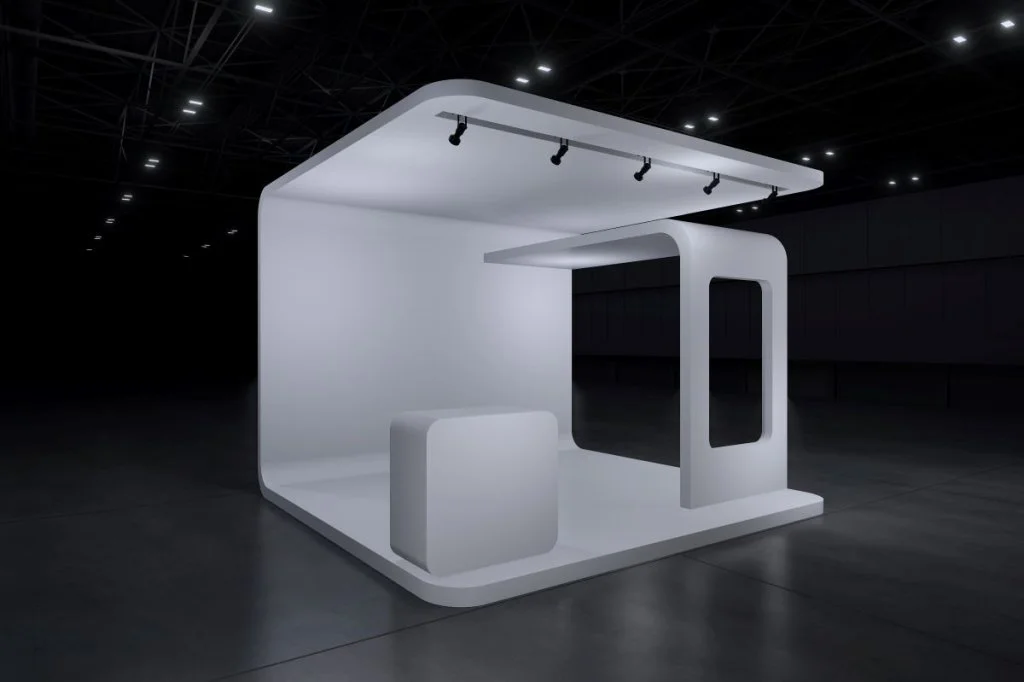
When you invest thousands of dollars in trade show participation, the layout and appearance of your booth often determine whether visitors stop, engage, or walk past toward your competitors. Booth design goes far beyond aesthetics. The decisions you make about flow, sightlines, and spatial organization directly influence the quality of leads you capture and the conversations you are able to have with qualified prospects.
Many exhibitors focus primarily on eye-catching graphics and branded elements without considering how physical booth design affects visitor behavior and engagement quality. The reality is that certain design choices naturally encourage meaningful interactions with serious prospects, while others attract curiosity seekers who have no real buying intent. Understanding which design elements separate high-quality leads from low-quality foot traffic is essential for maximizing your return on the trade show investment.
1. Open Floor Plans Versus Enclosed Spaces
The decision to use an open layout or create partially enclosed areas within your booth has profound effects on lead quality. An open floor plan removes barriers between your team and visitors, inviting people to approach and start conversations without hesitation. This accessibility tends to attract not only qualified prospects but also casual attendees who simply want to spend time somewhere comfortable. The foot traffic volume increases, but the quality of engagement can vary significantly depending on how well your team qualifies visitors during initial contact.
Enclosed or semi-enclosed booth designs, by contrast, create a sense of exclusivity and purpose. Visitors typically enter these spaces with more intentional motivation because they have made a conscious choice to step inside rather than simply wandering past. Semi-enclosed designs often feature partial walls, cabins, or lounge areas that create distinct zones for different conversation types. For example, a software company might use a semi-enclosed booth with an open demo area and a private consultation space, naturally guiding serious prospects into deeper conversations. This approach reduces casual foot traffic but substantially increases the proportion of high-intent visitors, producing better lead quality overall.
2. Sightlines and Visual Hierarchy
How visitors can see into and through your booth determines whether they stop in the first place, which directly impacts lead volume and quality. Poor sightlines that hide product demonstrations, key messaging, or your team members behind structures make it harder for prospects to understand what your company does and whether they should engage. Clear sightlines allow people walking the trade show floor to quickly assess whether your booth is relevant to their needs, which means visitors who do stop are more likely to have genuine interest.
Visual hierarchy within the booth directs visitor attention toward specific focal points and experiences. When your most compelling product demonstration, key statistic, or call-to-action occupies the visual center of your booth at eye level, prospects naturally focus on what matters most. Poorly arranged displays that scatter information across multiple levels or create competing visual elements confuse visitors and reduce engagement quality. When sightlines make it clear that your team is available and positioned to have conversations, prospects feel welcome to approach, building the confidence necessary for meaningful dialogue about how your solution addresses their specific challenges.
3. Traffic Flow and Bottleneck Prevention
The way booth traffic moves through your space influences both the volume and type of leads you generate. A booth design that creates natural traffic patterns allows multiple conversations to happen simultaneously without visitors feeling crowded or rushed. When there is adequate space for people to pause, ask questions, and receive attention from team members, the quality of discussion increases because prospects do not feel pressured to move quickly. Visitors also feel more comfortable returning to your booth if they have had a relaxed, unhurried experience.
Bottlenecks occur when booth design forces all visitors into narrow pathways or concentrates them in tight areas. While this might initially seem efficient, it degrades lead quality by creating stress and reducing dwell time. Prospects who feel uncomfortable or rushed are less likely to share detailed information about their challenges, goals, or timeline. Exhibitors who rely on trade show display rentals can test different booth configurations across multiple events, helping them identify which traffic flow layouts generate the deepest, most productive conversations with qualified prospects. Designing for multiple entry points, clear pathways, and adequate open space allows your team to engage with serious prospects while other visitors can comfortably observe or move through the space, creating opportunities for different types of interactions.
4. Seating and Engagement Zones
The availability and placement of seating directly affects whether conversations stay superficial or develop into real business discussions. Booths without seating naturally encourage quick, standing conversations that may only touch on basic information before the visitor moves on. While this works for initial awareness building, it rarely generates high-quality leads that represent genuine sales opportunities. Strategic seating arrangements signal to visitors that meaningful conversation is expected and welcome.
Private or semi-private seating areas within your booth create spaces where prospects feel comfortable discussing budget, timelines, and specific organizational challenges without being overheard. This privacy dramatically increases the depth and quality of information you gather during the trade show conversation. Consider a booth design that includes an open demo area, standing counter space for quick conversations, and a separate lounge or table seating area for deeper discussions. This tiered approach accommodates different visitor needs and naturally guides high-intent prospects toward the more private areas where your sales team can qualify them properly. Seating also reduces visitor fatigue, making it more likely that prospects will spend meaningful time at your booth rather than quickly moving on to rest their feet elsewhere.
5. Technology Integration and Demonstration Space
How you integrate technology, demonstrations, or interactive elements into your physical booth design determines whether visitors can actually experience what you are selling. Cramped demonstration areas or poorly positioned screens make it difficult for multiple visitors to view your product simultaneously, creating bottlenecks and reducing engagement quality. When visitors cannot see a demonstration clearly or do not have enough space to interact with your product, their understanding remains surface-level, which typically results in lower-quality leads.
Thoughtfully designed demonstration zones that accommodate multiple viewers, provide comfortable viewing angles, and allow hands-on interaction generate substantially more qualified prospects. The space should be large enough that your team can facilitate demonstrations without crowding visitors or making them feel rushed. For example, a manufacturing company might dedicate a central booth area to a physical product sample or video demonstration, surrounding it with enough open space that groups of visitors can gather and ask questions without blocking sightlines for others. This design choice ensures that prospects who stop to learn about your solution gain a real understanding of its capabilities and relevance, producing higher-quality lead capture and more productive follow-up conversations after the trade show.
Conclusion
Trade booth design directly impacts the quality of leads you generate because it influences how prospects move through your space, how clearly they understand your offering, and how deeply they can engage with your team. The most successful booths balance open accessibility with strategic design elements that naturally guide serious prospects toward meaningful conversations. By considering traffic flow, sightlines, seating arrangements, and demonstration space alongside your visual branding, you create an environment where high-intent visitors stop, engage meaningfully, and provide the detailed information necessary for quality lead qualification. Your next trade show investment should prioritize these design fundamentals, recognizing that physical space decisions shape the prospects you attract and the conversations you are able to have with them.







Comment