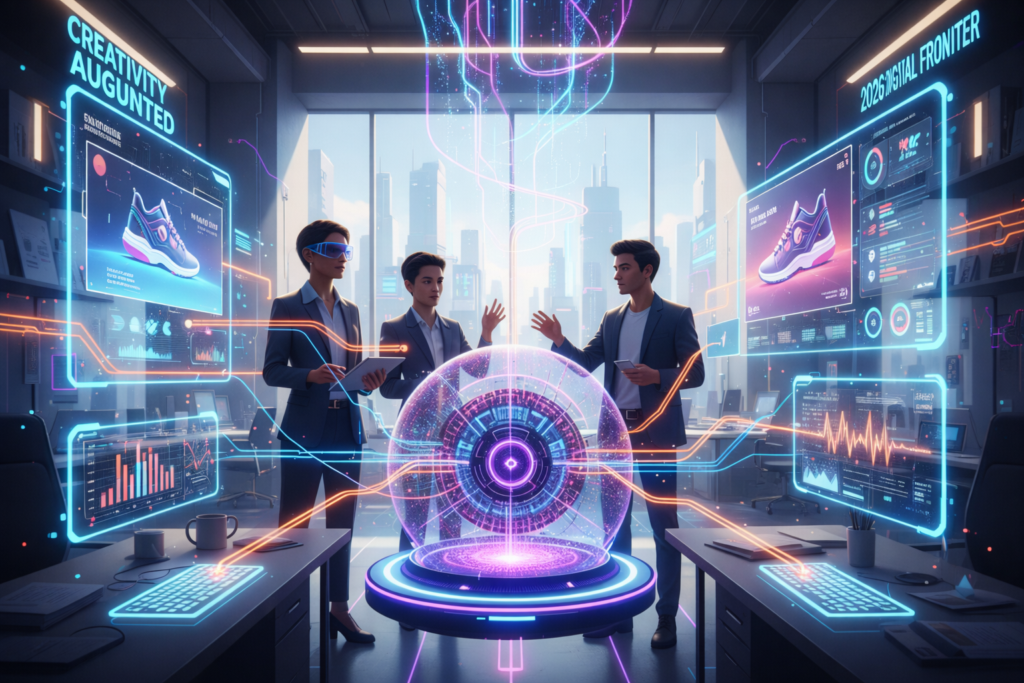
Artificial intelligence has rapidly evolved from an emerging technology into a core component of modern digital marketing. In 2026, businesses are no longer questioning whether to adopt AI; instead, they are focused on how to integrate it effectively into their workflows.
One of the most significant developments driving this transformation is the emergence of the AI content creation platform. These platforms unify writing, design, automation, and video production into a single system, allowing businesses to streamline their entire content process.
As a result, brands can now create, distribute, and scale content faster and more efficiently than ever before.
The Shift from Traditional Content Creation to AI Systems
For years, content creation relied on multiple tools and specialized teams. A typical campaign required:
- Copywriters for blogs and marketing content
- Designers for visuals and branding
- Video editors for multimedia production
- Social media managers for distribution
This approach was resource-intensive, slow, and difficult to scale.
Modern AI systems have transformed this workflow by introducing automation and unified tools. Today, platforms can generate:
- Long-form blog content
- Marketing copy
- Visual assets
- Video content
- Repurposed content across multiple platforms
This shift enables businesses to increase output while reducing operational complexity.
Why AI Content Creation Platforms Are Growing Rapidly
The demand for efficiency and automation is accelerating the adoption of AI content creation platforms across industries.
Key growth drivers include:
- Faster content production, reducing timelines from hours to minutes
- Lower costs by minimizing reliance on large creative teams
- Improved scalability without increasing workload
- Multi-format output from a single idea
These advantages make AI platforms an essential tool for modern businesses.
The Rise of AI Video Generation and Motion-Based Content
Video has become one of the most important formats in digital marketing, especially on platforms like YouTube, TikTok, and Instagram.
AI tools are now evolving into powerful AI video generator systems that allow users to create videos from:
- Text prompts
- Blog content
- Scripts
- Static images
At the same time, innovations such as Kling AI motion control are pushing video creation even further. These technologies allow creators to control movement, transitions, and scene dynamics, resulting in more engaging and dynamic visual content.
This eliminates the need for:
- Advanced video editing skills
- Expensive production teams
- Complex software tools
The Move Toward All-in-One AI Ecosystems
The industry is shifting away from isolated tools toward integrated platforms that combine multiple capabilities into a single system.
These platforms typically include:
- Content writing tools
- Image generation features
- Video creation capabilities
- Workflow automation systems
One example is Zorq AI, an AI content creation platform that allows users to generate content, create visuals, produce videos, and automate workflows within a single environment.
This unified approach offers:
- A simplified user experience
- Faster content production
- Better consistency across platforms
- Reduced operational complexity
Real-World Use Cases of AI Content Platforms
AI content platforms are already being widely adopted across industries.
Common use cases include:
- Digital marketing agencies scaling client content production
- Freelancers and creators managing multiple platforms efficiently
- E-commerce businesses generating product descriptions and ads
- Startups reducing marketing costs while maintaining output
These applications highlight the flexibility and scalability of AI-powered systems.
The Role of Human Creativity in an AI-Driven World
Despite rapid advancements, AI is not a complete replacement for human creativity.
AI-generated content still requires:
- Fact-checking for accuracy
- Editing for tone and clarity
- Alignment with brand voice
- Strategic direction and storytelling
The most effective approach is a hybrid model that combines AI efficiency with human creativity.
The Future of AI Content Creation Platforms
Content creation is moving toward fully integrated ecosystems where a single idea can be transformed into multiple formats automatically.
Emerging trends include:
- Automated marketing pipelines
- AI-driven content repurposing
- Integrated media generation systems
- Motion-controlled video creation
Platforms like Zorq AI represent this shift toward scalable, automated content ecosystems.
Industry Impact and Strategic Importance
The adoption of AI content systems represents a major shift in digital marketing.
Businesses that leverage AI effectively can:
- Publish content more frequently
- Improve audience engagement
- Reduce production costs
- Scale across multiple platforms simultaneously
This makes AI one of the most impactful technologies in modern marketing.
SEO Perspective: Why This Topic Continues to Grow
From an SEO perspective, demand for topics such as:
- AI content creation platform
- AI video generator tools
- AI automation tools
- Content scaling with AI
is growing rapidly.
This is driven by businesses actively searching for ways to improve efficiency, reduce costs, and scale their digital presence.
Final Thoughts
The rise of the AI content creation platform marks a major evolution in how digital content is produced and scaled.
Combined with advancements in AI video generation and motion-based technologies, businesses now have access to tools that significantly simplify content creation.
As AI continues to evolve, platforms like Zorq AI highlight the future of digital marketing, integrated, automated, and built for scale.