Introduction: A Shift Beyond the Screen
For years, the side hustle economy has been dominated by digital-first opportunities—content creation, online courses, affiliate marketing, and digital downloads. These avenues promised low overhead and global reach, attracting millions of creators eager to monetize their skills. But recently, a noticeable shift has emerged: digital creators are increasingly moving into physical product creation.
This evolution reflects both opportunity and necessity. As online spaces become more saturated and algorithm-dependent, creators are seeking new ways to differentiate themselves, build stronger brand identities, and generate stable income streams. Physical products—once considered complex and capital-intensive—are now more accessible thanks to advancements in manufacturing technology.
The Limitations of Purely Digital Income
While digital products offer scalability, they come with inherent challenges. Competition is intense, barriers to entry are low, and revenue often depends on unpredictable algorithms or platform policies.
Creators are realizing several limitations:
- Audience fatigue from repetitive digital offerings
- Declining organic reach on social platforms
- Difficulty in building long-term brand loyalty
- Vulnerability to platform changes or bans
For example, a YouTuber relying solely on ad revenue may see earnings fluctuate dramatically based on algorithm updates. Similarly, creators selling digital courses face increasing competition and pricing pressure.
These constraints are pushing creators to explore more tangible, differentiated offerings.
Why Physical Products Are Gaining Appeal
Physical products offer something digital goods cannot: tangibility. They create a deeper emotional connection between creators and their audiences.
Key advantages include:
- Stronger brand identity through tangible goods
- Higher perceived value compared to digital items
- Opportunities for repeat purchases
- Independence from platform algorithms
A creator who sells custom-designed products—such as handcrafted items, tools, or personalized merchandise—can build a more loyal customer base. Physical goods also open the door to storytelling, craftsmanship, and uniqueness, which resonate strongly with modern consumers.
Technology Is Lowering the Barrier
Historically, manufacturing required large investments, specialized knowledge, and access to industrial equipment. Today, that barrier is rapidly disappearing.
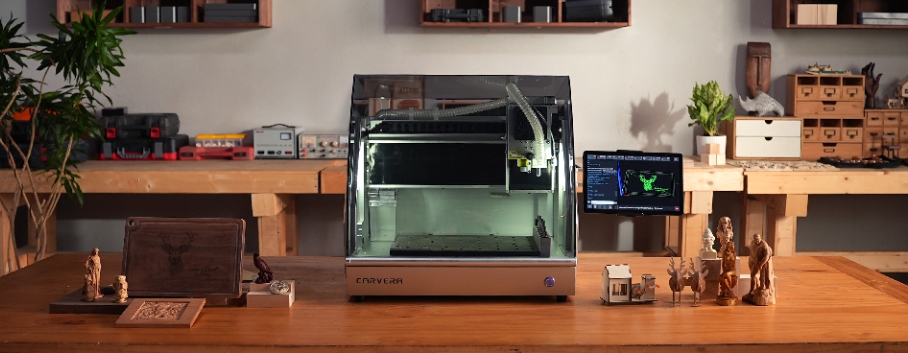
Tools like desktop CNC machines are transforming how creators approach production. These compact, user-friendly devices allow individuals to design and manufacture high-quality physical products from home or small workshops.
This shift enables creators to:
- Prototype ideas quickly
- Maintain full control over production
- Customize products at scale
- Reduce reliance on third-party manufacturers
For instance, a designer can create custom engraved accessories, small furniture pieces, or precision components without outsourcing production. This not only increases profit margins but also ensures consistent quality.
From Content Creator to Product Builder
The modern creator is no longer just a content producer—they are becoming a product entrepreneur.
This transition typically follows a clear progression:
- Build an audience through digital content
- Identify audience needs or interests
- Design products that align with the brand
- Manufacture and sell directly to consumers
Consider a woodworking YouTuber who initially shares tutorials. Over time, they may begin selling custom tools, kits, or designs made using CNC machines. Their audience, already invested in their expertise, becomes a natural customer base.
This model creates a powerful feedback loop: content drives product sales, and products enhance content credibility.
Customization and the Maker Movement
Another major driver of this trend is the growing demand for personalization. Consumers increasingly value unique, customized products over mass-produced items.
Digital creators are well-positioned to capitalize on this shift because they:
- Understand their audience deeply
- Can iterate quickly based on feedback
- Offer limited or exclusive product runs
With modern tools, creators can produce highly customized items without sacrificing efficiency. Whether it’s personalized engravings, bespoke designs, or small-batch manufacturing, customization adds significant value.
The broader “maker movement” also plays a role, encouraging individuals to create, build, and innovate independently. Technology has democratized manufacturing in much the same way the internet democratized publishing.
Diversifying Income Streams
Financial stability is another key motivation behind the move toward physical products. Relying on a single income source—especially one tied to platform algorithms—is increasingly risky.
Physical products provide:
- More predictable revenue streams
- Higher margins in many cases
- Opportunities for bundling with digital offerings
- Long-term brand equity
For example, a creator might combine digital tutorials with physical kits, creating a hybrid business model that maximizes both scalability and value.
This diversification helps creators weather changes in platform policies or audience behavior, making their businesses more resilient.
Challenges and Considerations
Despite the advantages, entering the physical product space is not without challenges. Creators must navigate:
- Production logistics
- Inventory management
- Shipping and fulfillment
- Customer service
However, advancements in tools and platforms are simplifying these processes. Many creators start small—producing limited quantities, testing demand, and scaling gradually.
The key is balancing creativity with operational efficiency.
The Future of the Side Hustle Economy
The rise of physical products signals a broader transformation in the creator economy. The line between creator and entrepreneur is becoming increasingly blurred.
Looking ahead, we can expect:
- More creators launching product lines
- Greater integration of digital and physical offerings
- Continued innovation in accessible manufacturing tools
- Stronger emphasis on brand ownership
As technology continues to evolve, the barriers to creating and selling physical products will only decrease. This opens the door for a new generation of creators who are not just sharing ideas—but turning them into tangible, valuable products.