New Orleans is a city defined by movement, with historic streets alive with traffic, motorcycles flowing through familiar corridors, and residents who rely on the road every day to work, live, and connect. That constant motion, however, also brings risk, especially for motorcyclists who face greater exposure when accidents happen. In the aftermath of a crash, many injured riders assume their case hinges only on obvious elements like police reports or medical bills. In reality, motorcycle injury claims in New Orleans are often shaped by details that receive far less attention but carry significant legal weight.
Factors such as roadway conditions, the preservation of physical evidence, and the way injuries disrupt daily life can quietly influence liability and compensation. Understanding these overlooked elements is critical for anyone seeking accountability and fair recovery. This is where guidance from a New Orleans motorcycle crash attorney from Scott Vicknair becomes essential, helping injured riders recognize and use the subtle details that can ultimately strengthen their case.
Eyewitness Testimony
Eyewitnesses can be significant in a motorcycle injury claim. The accident witnesses are bystanders, independent of the cars involved, and therefore offer their own opinions regarding what happened. The things they say can offer important corroboration of the complainant’s story. Insurance companies and courts also tend to find neutral observations very persuasive. Obtaining the contact information for witnesses at the scene is crucial, since memories fade over time. Precise and early collection of these statements can establish credibility and corroborate the injured party’s case.
Photographic Evidence
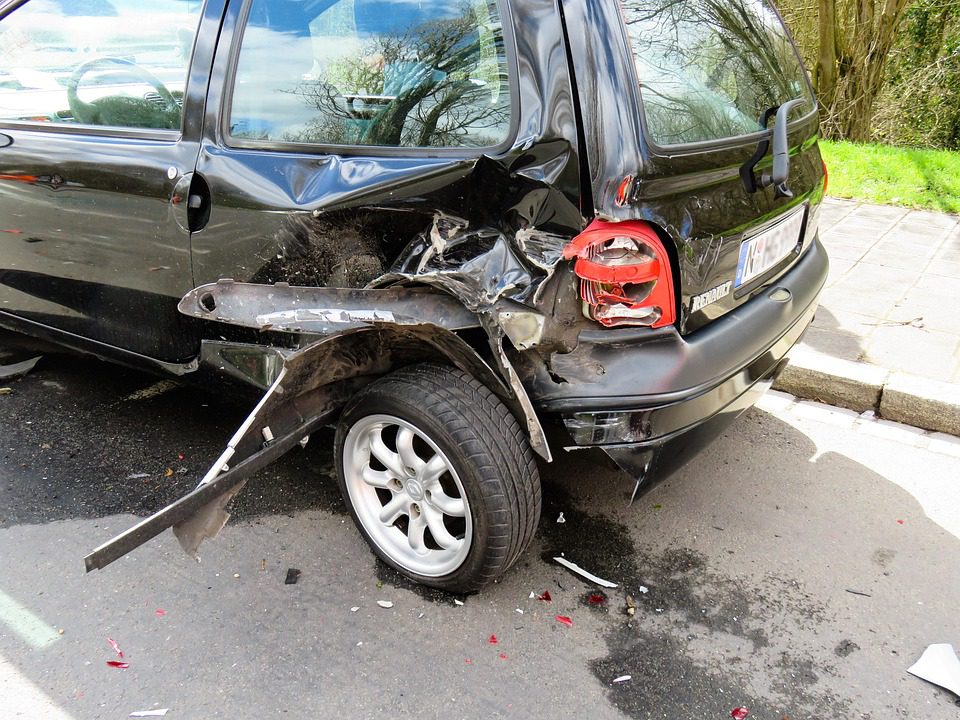
Images captured at the accident scene right after the incident can reveal details that a written report may overlook, including clear evidence of vehicle damage, the condition of the road, and the weather conditions at that moment. These pictures serve as tangible, indisputable evidence that supports personal injury claims. These photographs help depict the extent of the crash and corroborate the conditions outlined in medical and law enforcement records. Angles and wide shots help strengthen the claim by showing the scene in its entirety.
Road Conditions and Hazards
Accidents can occur due to poorly maintained roads, debris, or hidden dangers. Documenting these conditions can serve as crucial evidence for the injured party. Some examples include potholes, loose gravel, broken signage, or unmarked construction zones. At times, these factors have a greater role in an accident than the actions of the involved drivers. This form of evidence may be quickly repaired or removed, and therefore needs to be captured soon after the incident occurs.
Quality of Medical Documentation
A solid injury claim will have competent and complete medical records. Furthermore, the creation and maintenance of these documents are equally important. Medical records, such as descriptions of the pain, treatment plan, and long-term anticipations regarding the injuries, further clarify repercussions. Consistently recording ongoing effects alongside timely follow-up visits and effective communication with healthcare providers guarantees that the medical records accurately capture the patient’s evolving condition. Such documentation not only strengthens credibility, but it will also establish the need for compensation.
Protective Gear and Clothing
Helmets, jackets, gloves, and other safety gear reduce the severity of injuries and affect the results of a motorcycle injury claim. Showing protective gear and clothing as evidence can strongly establish your case in court and in front of the insurance company. The post-incident condition of clothing and equipment provides clues to the severity of the crash. This will help prove that the other party’s fault, not unsafe riding, caused the injuries.
Expert Analysis and Accident Reconstruction
Expert analysis plays a crucial role when basic evidence fails to determine the cause of an accident. In such cases, expert inquiry and accident reconstruction can specify how it occurred. Using technology and scientific methods, specialists study skid marks, vehicles’ positions, and how the collision occurred. They can corroborate or contradict other evidence presented. This expert analysis helps strengthen and make a motorcycle injury claim objective.
Injury Impact Statements
While much of the discussion about insurance claims and court cases centers around physical injuries, the emotional impact should not be overlooked. Statements from family, friends, and coworkers can explain how the injury disrupted the life of the injured and their loved ones. Loss of earnings, difficulty in walking, and lodging various forms of trauma can all strengthen the compensation case. Narratives from individuals provide a comprehensive perspective that transcends mere financial considerations; when articulated effectively, they are transparent and sincere, reflecting the broader implications of the incident on the affected person.
Conclusion
A small detail, often overlooked, can make a difference in some motorcycle injury claims. Good documentation and communication ensure that injured parties are treated fairly. Focusing on these factors can provide stronger cases for individuals and their representatives. Ultimately, it improves the chances of obtaining the compensation one rightfully deserves.