Standard printed signs no longer capture human attention the way modern high-definition screens do across commercial environments. Businesses require dynamic visual communication tools to grab foot traffic instantly in busy public spaces.
Bright digital setups turn ordinary room walls into interactive visual hubs for visiting clients. Companies across every commercial sector adopt electronic hardware systems to share information efficiently throughout the operating day.
Transforming Modern Commercial Spaces
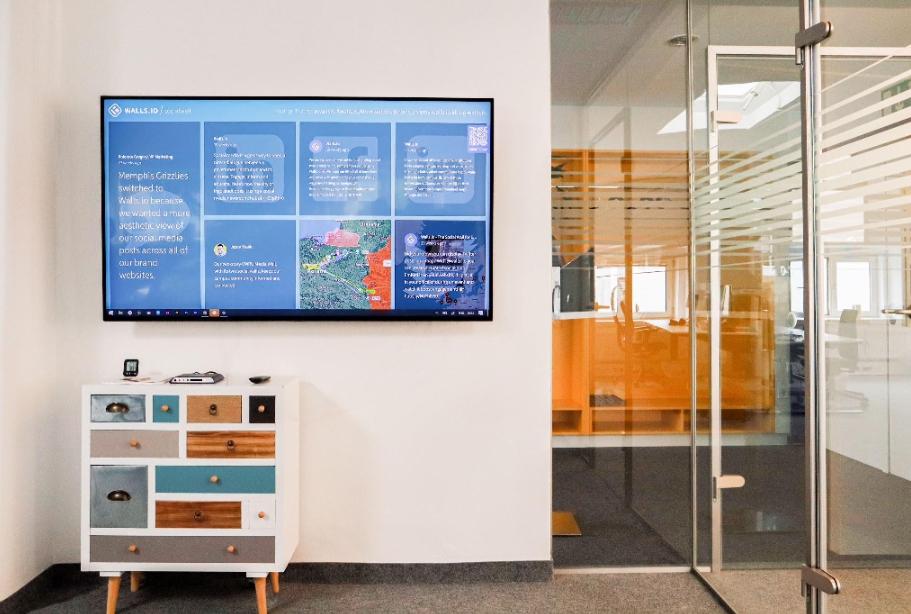
Commercial venues constantly search for fresh methods to connect with visiting clients on site. Investing in high-performance Canadian LED video walls offers a powerful method to present sharp media content across expansive rooms. Large screen setups create memorable visual statements that keep visitors engaged throughout their stay.
Physical locations utilize bright panels to display real-time promotional material and corporate announcements. Panels deliver clear image quality in interior spaces flooded with bright outdoor sunshine. Customers notice crisp graphics from across wide entryways without experiencing visual glare.
Property managers upgrade legacy paper posters to lower long-term printing expenses and physical material waste. Electronic display networks permit immediate content updates across multiple facilities with a single remote command. Facilities maintain consistent visual branding without paying for manual installation services.
Maximizing Impact at Corporate Events
Trade shows and industry conventions demand eye-catching staging elements to draw foot traffic toward exhibition booths. A market report showed hardware components captured 59.2% of total industry revenue in 2024. Event coordinators prioritize sturdy physical screens to assemble massive stage backdrops.
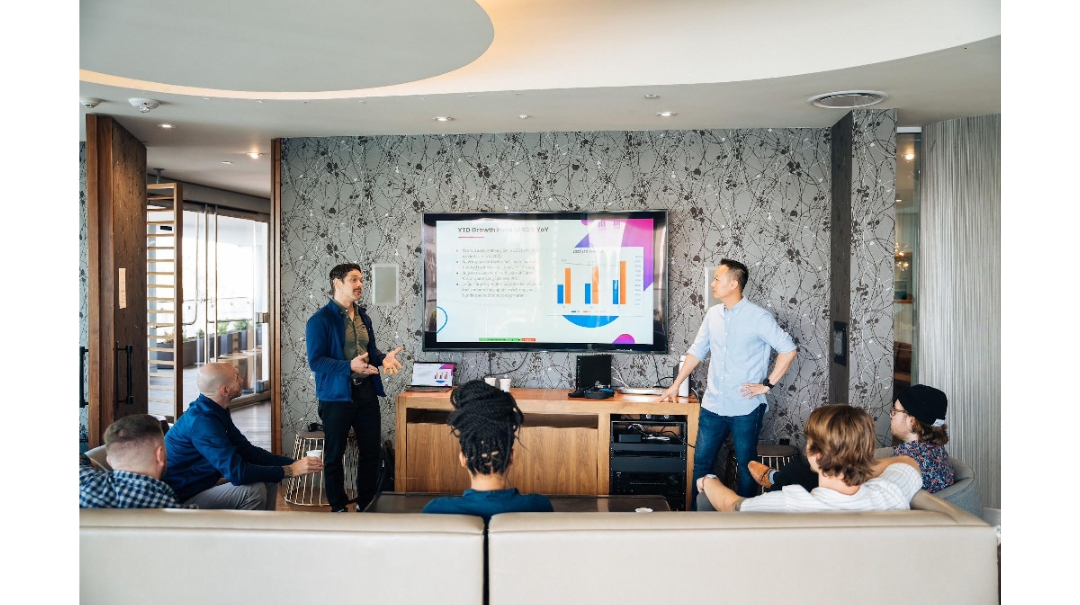
Live keynote addresses rely on large video panels mounted behind featured speakers on stage. Attendees seated in back rows view presenters clearly via scaled high-definition video feeds. Visual clarity keeps audience attention focused on core event presentations throughout long convention schedules.
Event organizers swap out single-use vinyl banners for programmable visual hardware rigs. Swapping corporate sponsor logos between speaker panels takes seconds across networked media players. Presenters showcase custom video loops, financial charts, and live social feeds without pause.
Driving Customer Engagement in Retail
Retail storefronts face ongoing competition from online shopping platforms for everyday consumer attention. Store managers position bright digital displays near entrance aisles to guide foot traffic inside. Visual motion naturally draws eyes toward featured sales offers and seasonal product arrivals.
Market research indicates global digital signage valuation reached $31.50 billion in 2025 and projects growth toward $69.90 billion by 2034. Retail display investments represent a significant portion of this expanding global spend. Store owners view electronic hardware as direct drivers of store foot traffic.
Interactive touchscreens allow shoppers to browse full inventory catalogs directly from store floors. Customers explore product variations, read customer feedback, and check color availability without waiting for sales associates. Self-service displays speed up buying decisions during peak shopping hours.
Key Advantages of High-Resolution Screens
Modern electronic hardware offers operational benefits that paper signage simply cannot match in modern facilities. Businesses gain immense messaging flexibility by switching to programmable screen installations.
- High-nit brightness levels keep imagery visible under direct sunlight or intense ceiling spotlights.
- Seamless modular cabinet construction allows custom screen sizing for unique architectural wall spaces.
- Energy-efficient light diodes lower total electricity consumption during long daily operation cycles.
- Centralized media control software permits instant scheduling for automated content changes.
Operational expenses decline as printing, shipping, and manual installation costs disappear completely. Facility staff members focus on primary duties instead of manually replacing physical marketing frames.
Future Trends in Display Technology
Engineering advancements continue pushing performance boundaries for commercial video panels. Industry data forecasts the digital signage market will expand by $12.43 billion at a 10.5% annual compound rate from 2025 to 2030.
Integrated ambient sensors automatically adjust panel illumination based on surrounding light conditions throughout the day. Analytics systems collect anonymous demographic metrics to evaluate campaign performance in real time. Automated brightness adjustments extend hardware lifespans and lower daily power draw.
Ultra-fine pixel pitch technology allows viewers to stand inches from panels without seeing individual pixels. Next-generation display panels draw less electrical current and output deeper color contrast.
Practical Implementation Strategies for Brands
Successful display installations begin with thorough site evaluation and physical planning. Integration teams evaluate viewing angles, ceiling height, and structural wall capacity before selecting hardware. Proper physical placement guarantees maximum visual reach for passing audience traffic.
Content creation strategy determines whether visual installations achieve desired business goals. Concise motion graphic clips yield higher retention rates than lengthy paragraphs of static text. Creative teams tailor video resolution directly to match panel aspect ratios for crisp playback.
Technical teams schedule regular software updates to protect media players against security vulnerabilities. Sturdy power infrastructure prevents unexpected screen outages during peak operational hours. Continuous system monitoring keeps display networks running reliably day after day.
Digital screen adoption changes how organizations communicate with public audiences across modern facilities. Investing in commercial visual hardware builds long-term value for growing corporate enterprises.
Organizations upgrading their physical display infrastructure maintain strong positions within competitive commercial spaces. Adopting reliable visual technology prepares modern brands for future growth.