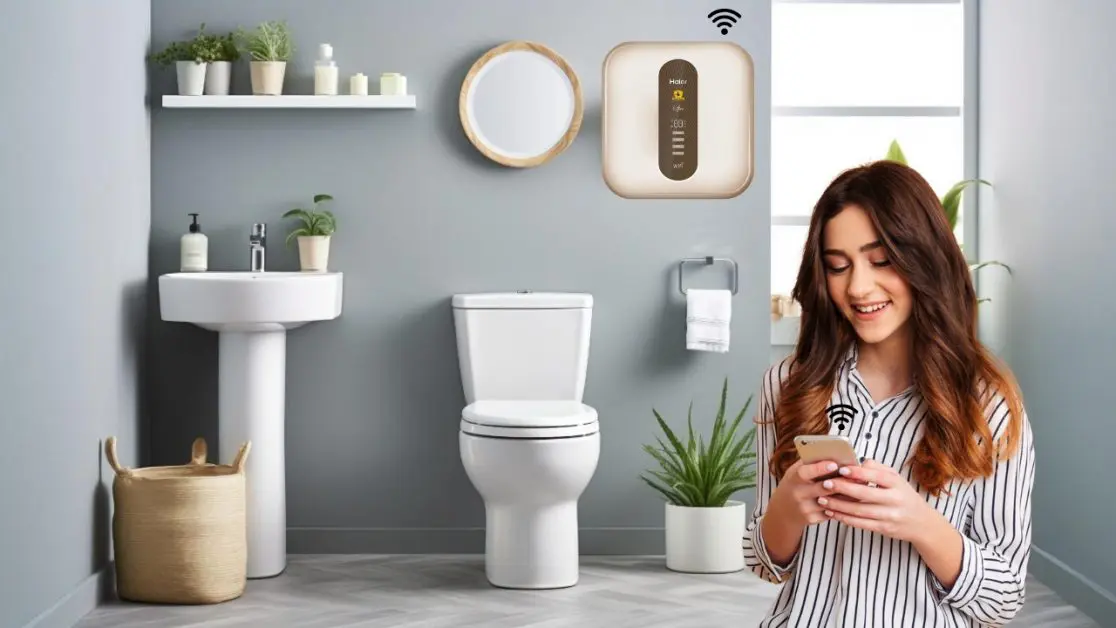
Smart Homes Are Evolving Beyond Gadgets
Smart home technology has moved far beyond novelty gadgets and voice-controlled lights. Today’s homeowners expect their homes to be intelligent, efficient, and responsive to real-life needs. From learning thermostats to app-controlled security systems, technology is now deeply integrated into daily living. One essential system, however, is often overlooked in conversations about smart homes: the water heater.
Although water heaters don’t have the visual appeal of sleek displays or smart speakers, they play a foundational role in home comfort and energy usage. As technology advances, water heaters are becoming smarter, more efficient, and more connected—quietly transforming how homes manage energy and comfort.
How IoT Is Transforming Water Heating Systems
Traditional water heaters typically operate on fixed temperature settings or rigid schedules. This approach often leads to unnecessary energy consumption, heating water when no one is using it and struggling to keep up during peak demand. Smart water heater technology changes that equation entirely.
By integrating Internet of Things (IoT) capabilities, modern systems use sensors, usage data, and real-time monitoring to adapt water heating behavior to household patterns. These systems can learn when hot water is most frequently used, adjust heating cycles accordingly, and even alert homeowners to potential issues before they become costly failures.
This type of intelligent infrastructure mirrors the data-driven evolution seen in industries like FinTech and smart energy management—areas that TechBullion readers are already deeply familiar with.
Data, Control, and Transparency for Homeowners
One of the most compelling advantages of smart water heaters is transparency. Through mobile apps and connected dashboards, homeowners can track energy consumption, monitor system health, and adjust settings remotely. Instead of guessing why utility bills fluctuate, users gain real insights into how and when energy is being used.
This level of control empowers homeowners to make smarter decisions—whether that means reducing energy use during off-hours, optimizing performance for busy households, or planning proactive maintenance. Over time, these insights translate into lower costs, fewer disruptions, and a better overall user experience.
Energy Efficiency and Sustainability Go Hand in Hand
Energy efficiency is no longer a niche concern—it’s a priority for modern consumers. Smart water heaters contribute directly to sustainability goals by reducing energy waste and minimizing unnecessary heating cycles. Heating water only when it’s actually needed can significantly cut down on electricity or gas usage.
For environmentally conscious homeowners, this efficiency aligns with broader efforts to reduce carbon footprints without sacrificing comfort. Smart water heating technology proves that sustainability and convenience are not opposing forces—they can work together seamlessly.
Why Professional Installation Still Matters
While smart technology adds powerful capabilities, it doesn’t eliminate the need for professional expertise. In fact, advanced systems require proper installation, configuration, and ongoing maintenance to perform as intended. Incorrect installation can limit efficiency, disrupt connectivity, and shorten the lifespan of even the most advanced unit.
This is where experienced service providers become essential. Homeowners looking to install or maintain modern water heating systems need technicians who understand both the mechanical and technological aspects of these systems.
For homeowners across New Jersey, Doctor Water Heater specializes in installing, upgrading, and maintaining both traditional and smart water heating systems. Their licensed technicians ensure systems are configured correctly, operate efficiently, and remain reliable long-term.
The Next Wave of Connected Living
Smart home innovation isn’t just about flashy technology—it’s about improving daily life through smarter infrastructure. Water heaters may not be the most visible part of a connected home, but they are among the most impactful. As these systems continue to evolve, they will play a growing role in energy management, sustainability, and overall home comfort.
In the connected age, even the most fundamental household systems are becoming intelligent. Homeowners who embrace these innovations today are setting the foundation for homes that are not only smarter, but more efficient, resilient, and future-ready.