Dental visits are changing fast to make patients feel heard and comfortable. The focus is shifting from basic procedures to full personal well-being. Modern practices build comfort through personalized care plans that put individual needs first.
Defining Whole-Person Dental Health
Dental care is moving away from quick fixes toward long-term wellness. Practitioners examine how mouth health connects with physical and emotional comfort. Patients receive treatments that respect their personal goals and medical background.
Patients appreciate care plans designed around their specific lifestyle and comfort levels. A research paper notes that patient-centered dentistry acts as a holistic approach considering individual preferences, needs, and values alongside clinical conditions.
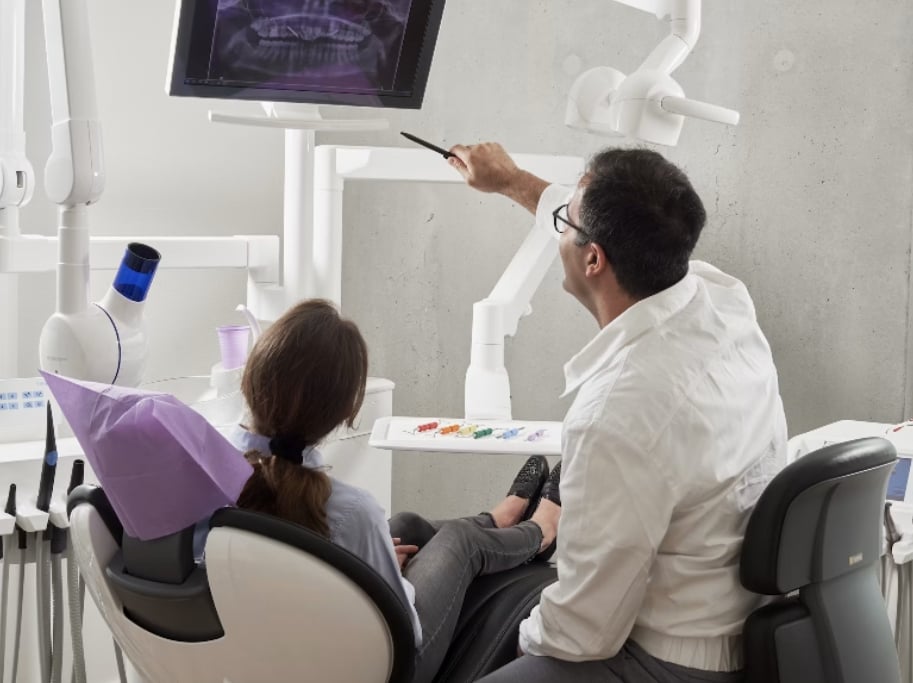
Clinicians take time to explain treatment choices in plain language. Clear communication helps patients make informed choices without feeling rushed or overwhelmed. Taking extra time to listen leads to better health outcomes for everyone. Understanding each procedure gives patients confidence during every stage of treatment.
Specialized Dental Care For Neurodivergent Children
Children with sensory sensitivities often face significant challenges during routine teeth cleanings. Finding a qualified pediatric dentist for autism near me gives families direct access to specialized dental environments designed for comfort. These customized settings transform potentially overwhelming appointments into calm, positive experiences. Parents can feel confident knowing their child receives compassionate support throughout the entire appointment.
Clinics adapt their physical offices with soft lighting and quiet waiting spaces. Staff members use visual schedules to explain each procedure before it starts. Step-by-step guidance builds trust and lowers anxiety for young patients. Preparing children before each tool is used removes unexpected surprises.
Gentle techniques allow children to adapt to clinical tools at their own pace. Providers praise small successes during examinations to create positive memories. Positive reinforcement makes future visits much easier for kids and parents. Creating a supportive routine encourages lifelong oral hygiene habits.
Extra Preparation For Complex Needs
Children with unique physical or developmental challenges require tailored clinical techniques. Standard practices might struggle without targeted expertise in managing sensory overstimulation.
Specialized training prepares dentists to modify standard care protocols effectively. Experienced teams adjust physical positioning and appointment pacing to protect patient comfort.
Specialized practitioners dedicate extra years to master these compassionate approaches. Guidelines from pediatric dental experts state that these specialists complete 2 to 3 years of extra training past dental school to care for children with special needs.
Post-graduate training covers behavioral guidance, specialized equipment, and custom communication strategies. Practitioners learn how to respond calmly to sensory distress during routines.
Deep knowledge in these areas provides high-quality care for every young patient. Having skilled professionals handling complex needs offers immense relief to families.
Digital Tools Modernizing Access To Care
Technology plays a massive role in expanding patient access to qualified providers. Virtual consultations allow families to speak with clinicians before stepping into a physical practice.
Remote meetings help remove travel barriers for families living far from specialized clinics. Families can evaluate clinic options right from their living rooms.
Remote options simplify early evaluations for individuals with anxiety or mobility limits. A medical report highlights teledentistry as a valuable technology tool supporting dental professionals in improving access to oral health care.
Virtual visits help reduce pre-appointment stress for kids and adults. Video chats offer a safe space to discuss personal needs before office visits.
During a virtual session, dentists review medical histories and discuss potential accommodations. Families can ask questions about sensory accommodations without the pressure of a clinical room.
Pre-visit calls help establish rapport before physical examinations occur. Connecting early sets clear expectations for both the patient and the care team.
Key Features Of Modern Dental Practices
Modern practices incorporate several patient-first strategies to improve clinical outcomes. Everyday treatments feel smoother when practices focus on personal comfort and clear communication. Simple adjustments in office environments make a huge difference for anxious patients. Patients feel valued when clinics invest in their emotional comfort.
- Flexible appointment times tailored to busy family routines
- Sensory-friendly waiting areas with reduced sound and dim lighting
- Clear visual schedules showing each step of the treatment process
These small modifications transform standard clinical visits into positive health experiences. Families feel supported from the moment they walk through the clinic doors. Thoughtful office design shows a clear commitment to patient wellbeing. Creating welcoming clinical spaces encourages regular checkups and long-term health.
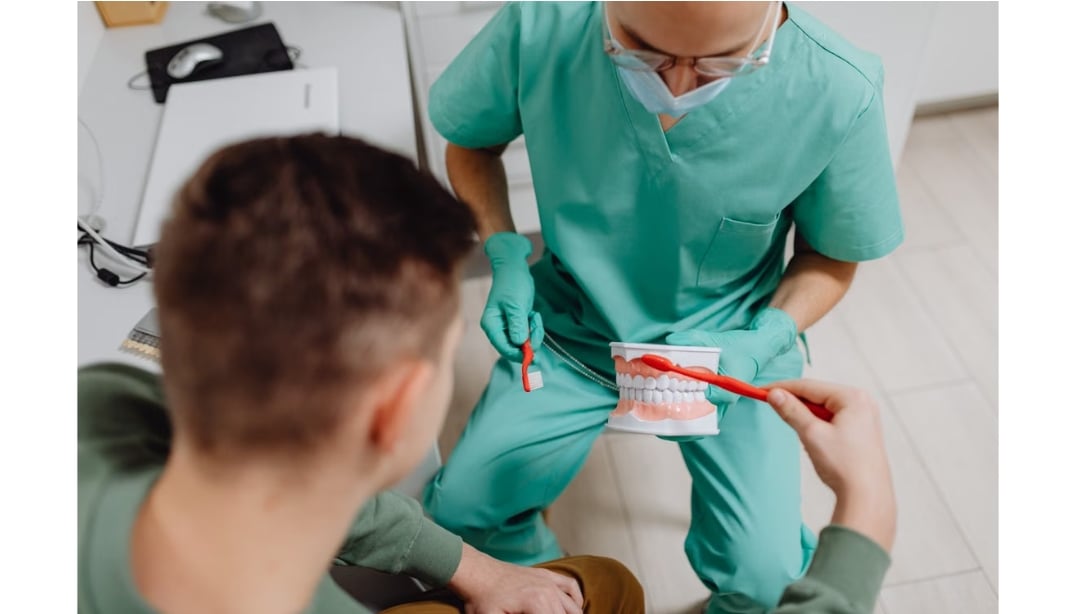
Tailoring Treatments To Individual Preferences
Every patient brings unique medical histories and personal anxieties to an appointment. Customized care means listening carefully to those concerns before starting treatment. Dentists adapt their routines based on feedback from the patient or caregiver. Personalized attention ensures that treatments align with personal values.
Practitioners invite patients to share their goals before prescribing treatments. Shared decision-making empowers patients to take charge of their oral health journey. Open dialogues help remove fear and build mutual respect. Working together builds confidence for long-term oral hygiene success.
Personalized treatment plans include choices regarding sedation, appointment length, and break intervals. Patients retain control over their care experience, which reduces dental phobia. Respecting individual boundaries leads to happier, healthier smiles.
Patient-centered care turns dental visits into collaborative, stress-free health experiences. Prioritizing specialized training, digital access, and personalized comfort helps modern clinics build lasting trust. Every individual deserves care that respects their unique physical and sensory needs.