
The Evolution of Fleet Management: From Vehicle Tracking to Operational Intelligence

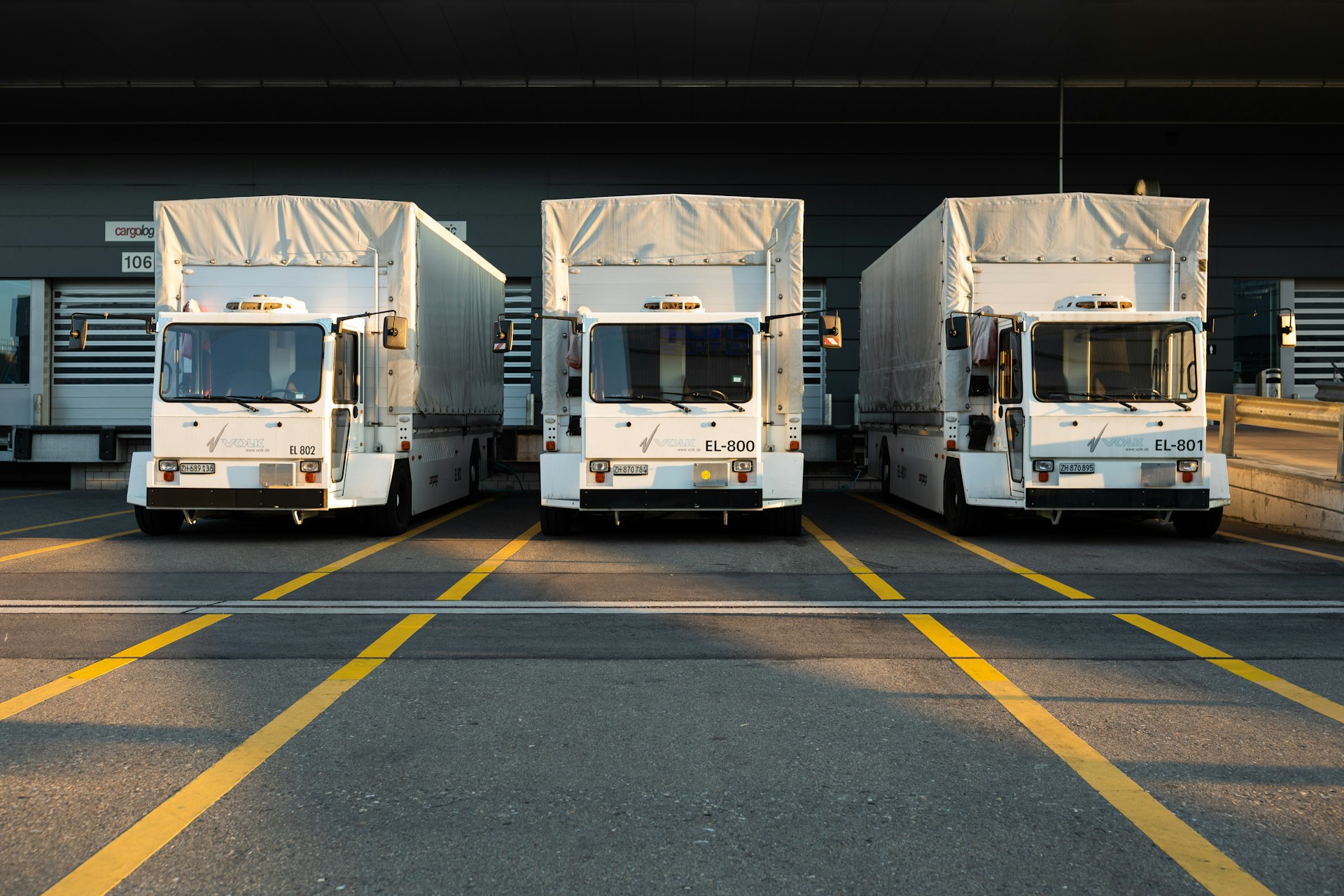
Twenty years ago, fleet tracking answered exactly one question: where is my truck? A GPS unit, a SIM card, a map with moving dots. For a while, that was enough. Knowing a vehicle’s position in near real time felt like a superpower compared to calling drivers on the radio and hoping they picked up.
Today, location is just the baseline of the information a fleet collects. Modern telematics platforms capture everything from engine diagnostics and fuel usage to driver behavior and maintenance events. The interesting part isn’t the amount of data — it’s what fleets do with it.
Stage One: Seeing the Fleet
Early vehicle tracking solved theft recovery and basic dispatching. It was reactive by design. Something happened, and the dispatcher looked at the map to find out where.
The limitation wasn’t the technology so much as the mindset. Location was treated as an end product rather than an input. A dispatcher could see that a vehicle sat parked for three hours, but the system offered no context — was that a scheduled delivery window, a lunch break, or a breakdown? The data described events without explaining them.
Plenty of fleets still operate at this stage. It isn’t wrong, exactly. It’s just missing most of what the data can actually tell you.
Stage Two: Understanding the Vehicle
The shift began when tracking hardware started listening to the vehicle itself. CAN bus interfaces opened up engine data — RPM, coolant temperature, fault codes, actual fuel consumption. Fuel level sensors made drains and suspicious refuelings visible. Accelerometers turned harsh braking and cornering into measurable driver behavior.
The question changed from “Where is the vehicle?” to “What is happening with the vehicle?”
That progress created a different challenge: volume. A single truck fitted with a CAN reader, a fuel sensor, and a temperature probe generates thousands of data points per shift. Multiply that by a fleet of 80 vehicles and you have a stream no dispatcher can watch manually. Fleets that thrived in this era were the ones that learned to configure alerts and exception-based reporting — let the system stay silent when things are normal, and speak up when they aren’t.
The hardware side also fragmented. Trackers, sensors, and vehicle interfaces came from dozens of manufacturers, each with its own protocol. Consolidating that mess became a discipline of its own, which is partly why hardware-agnostic platforms became the practical choice for many fleets.
Stage Three: Connecting the Data
The current stage is less about collecting new data and more about connecting it.
Operational intelligence means the fleet platform stops being a monitoring tool and starts being a decision-support layer. A few concrete examples of what that looks like in practice:
Maintenance triggered by reality, not the calendar. Engine hours and mileage pulled automatically from telematics feed service schedules, so a vehicle that idles heavily at job sites gets serviced on actual wear rather than an odometer figure that understates it.
Fuel anomalies cross-checked, not just flagged. A sudden fuel level drop matters differently depending on whether the vehicle was moving, parked at a depot, or parked somewhere it had no business being. Correlating sensor data with location and schedule turns a noisy alert into a confident answer.
Driver behavior tied to outcomes. Harsh-event counts become useful when they’re connected to fuel consumption, accident history, and route difficulty — otherwise, you’re just ranking drivers by how bumpy their roads are.
Data flowing outward. Mature fleets push telematics data into routing tools, ERP systems, payroll, and customer portals through APIs. The platform becomes infrastructure rather than a destination.
Getting to this stage is mostly a question of tooling and habit. The tooling part is straightforward: modern fleet management software already handles the aggregation, alerting, and reporting layers out of the box. The habit part is harder — someone in the organization has to own the data, review the reports, and translate patterns into policy. Software can point out the patterns. People still have to act on it.
What the next stage looks like
Two trends are shaping what’s happening next, and it’s worth being realistic about both.
Video telematics adds context that sensor data alone can’t provide. An accelerometer registers a harsh brake; a camera shows the car that cut in. Event-based video — clips triggered by incidents rather than continuous surveillance — can be easier to implement without undermining driver trust.
AI-assisted analysis is genuinely useful for summarizing patterns and answering questions in plain language, but the marketing around it runs well ahead of reality. Most fleets will get more value from properly configured alerts and clean sensor data than from any predictive model bolted onto messy inputs. None of those advances matter much if the underlying data isn’t reliable.
Where to go from here
If your fleet is still at the dots-on-a-map stage, don’t try to leap straight to advanced analytics. The progression matters. Get sensor data flowing and validated first. Then replace manual monitoring with exception-based alerts. Then connect the platform to the systems where decisions actually happen — maintenance planning, payroll, customer service.
Each stage builds on the one before it. Fleets that skip steps usually end up with impressive dashboards built on data nobody trusts, which is arguably worse than honest dots on a map.






Comment