
The Equipment Plan Behind a Medical Flight: Matching Medical Needs to the Onboard Setup

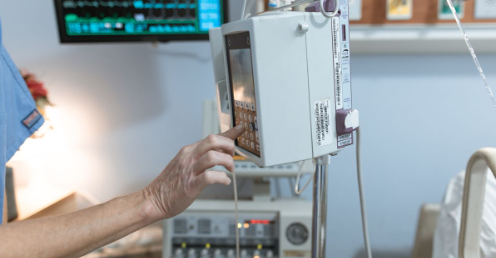
A list of devices tells only part of the story of an air ambulance flight. The useful question is how the equipment planned for a particular transfer relates to the patient’s needs, and how it is checked before use. For families, hospital teams and case managers, understanding that connection makes discussions with a transport provider more productive. It also helps distinguish a general description of an aircraft’s capabilities from the plan for one patient’s journey.
Why medical flight equipment is part of transport planning
Medical equipment is easy to picture as a collection of items stored on an aircraft. In practice, it has to be considered alongside the purpose of the transfer and the care the patient will need during travel. A monitor, an infusion pump and a ventilator serve different functions; naming all three does not establish that every patient requires them. The relevant discussion begins with information from the treating team about the patient’s condition, current support and any needs anticipated during the journey. The transport team can then consider which equipment and supplies belong in the plan for that case.
This distinction matters when someone is comparing transport options. An air ambulance provides a dedicated medical flight that can be planned around a patient’s transport needs. A medical escort on a commercial flight serves a different situation: a patient who can travel by airline but needs professional accompaniment. The treating and transport teams must evaluate the appropriate arrangement for the individual patient. Families do not need to make a clinical equipment decision themselves, but they can help ensure that the people making it have a clear account of the patient’s needs and intended destination.
What equipment can be on board an air ambulance
Advanced Air Ambulance provides a practical example of the range involved: its description of medical flight equipment lists cardiac monitors and ECG equipment, defibrillators, IV and infusion pumps, oxygen supplies, a pulse oximeter, portable suction units and a ventilator, among other items. These examples show why it is useful to discuss equipment by function, such as monitoring, respiratory support or medication delivery, rather than treating an inventory as a promise about what a particular patient will use.
Consider the difference between asking whether an aircraft has monitoring equipment and asking which monitoring is planned for a transfer. The first question establishes a broad capability. The second connects that capability to the information supplied by the treating team. Similarly, a listed ventilator or oxygen supply does not establish what a specific patient requires. Those are matters for the medical professionals arranging the transfer, not conclusions a reader should draw from an equipment list.
The equipment plan also needs to remain connected to the journey beyond the flight itself. Advanced Air Ambulance describes its air ambulance service as bedside-to-bedside, with ground ambulance transport at both ends. That makes it useful to discuss the planned support for the complete transfer rather than focusing exclusively on what is carried aboard the aircraft. For a sending hospital, the practical issue is what information the transport team needs about the patient’s current care. For a receiving facility, it is what support will be needed when the patient arrives.
Image by RDNE Stock project on Pexels
How equipment checks fit into flight preparation
Choosing equipment is one planning task; checking it is another. Advanced Air Ambulance states that its medical equipment and supplies are checked before and after each air ambulance transfer by the scheduled flight nurse together with the Chief Flight Nurse. This describes the provider’s stated process; it does not mean that families should inspect devices or infer a clinical outcome from a checklist. For families and coordinating professionals, a useful question is who confirms the equipment and supplies planned for the transfer, and how any additional items are identified.
Equipment planning is a continuing process rather than a single conversation at booking. Before a flight, the focus is on the equipment and supplies intended for that journey. If the patient’s requirements change, the planned setup may need to be reconsidered before departure. A family member can pass on changes reported by the treating team promptly, so transport professionals have current information when preparing the case.
For hospital staff and case managers, a concise handoff can be more valuable than a long, informal description. It can identify the patient’s current support, the sending and receiving facilities, and the contact points for questions about care. The medical team can then address equipment requirements in the context of that information. This keeps responsibility with qualified professionals while giving everyone involved a clearer basis for the transfer discussion.
When neonatal or pediatric transport calls for additional equipment
Transporting a newborn or child may bring equipment considerations that are less relevant to an adult transfer. Advanced Air Ambulance lists a transport incubator or neonatal portable isolette, a neonatal or pediatric ventilator, and pediatric intensive care or neonatal intensive care equipment among the specialized items that may be carried when needed. The important qualifier is “when needed”: the age of the patient alone does not turn every item on that list into a requirement for every flight.
Here, too, the useful question is how the proposed setup relates to the care already being provided. A sending neonatal or pediatric team can describe the child’s present support and communicate with the people planning the transport. That information provides a starting point for deciding what specialized equipment should be available during travel. Families can ask how the sending team and transport team will discuss those needs, without being expected to evaluate an incubator or another device themselves.
Age-specific equipment makes the broader planning principle especially clear. “Air ambulance” describes a transport service, not one fixed onboard configuration for every patient. Equipment named on a provider’s website offers an overview of its capabilities; a patient-specific plan connects those capabilities to the transfer being arranged. Keeping those two levels distinct makes conversations more precise and avoids turning an illustrative device list into a clinical assurance.
What families and care teams can clarify before a transfer
A productive preparation conversation can start with a simple question: what information does the transport team need from the clinicians currently caring for the patient? From there, families or coordinators can ask which equipment has been planned for the journey, whether the treating team has identified any specialized requirements, and who will address questions if the patient’s needs change before departure. These questions do not presume an answer about medical suitability. They help put the relevant professionals in contact with one another.
It is also worth clarifying where the equipment discussion sits within the complete transfer. If ground transport is part of a bedside-to-bedside air ambulance service, the sending facility, flight team and receiving facility need a shared understanding of the planned handoffs. A case manager may be coordinating contacts across those settings; a family member may be the first to hear that a destination or travel date has changed. Passing such updates to the transport coordinator helps keep the discussion grounded in the current plan.
Finally, it helps to separate questions about availability from questions about suitability. A provider may describe a broad range of onboard devices, while the medical team’s task is to determine what this patient requires. Families can ask for an explanation of the planned arrangement in terms they understand, even though technical and clinical decisions belong to the professionals involved. By asking about the proposed equipment, the checks around it and the exchange of information between care teams, they can take part in planning without having to interpret an equipment inventory as medical advice.







Comment